2011 Feminist Night March

2011 in review

Meeting convened by
Feminist Collective
Banner slogan
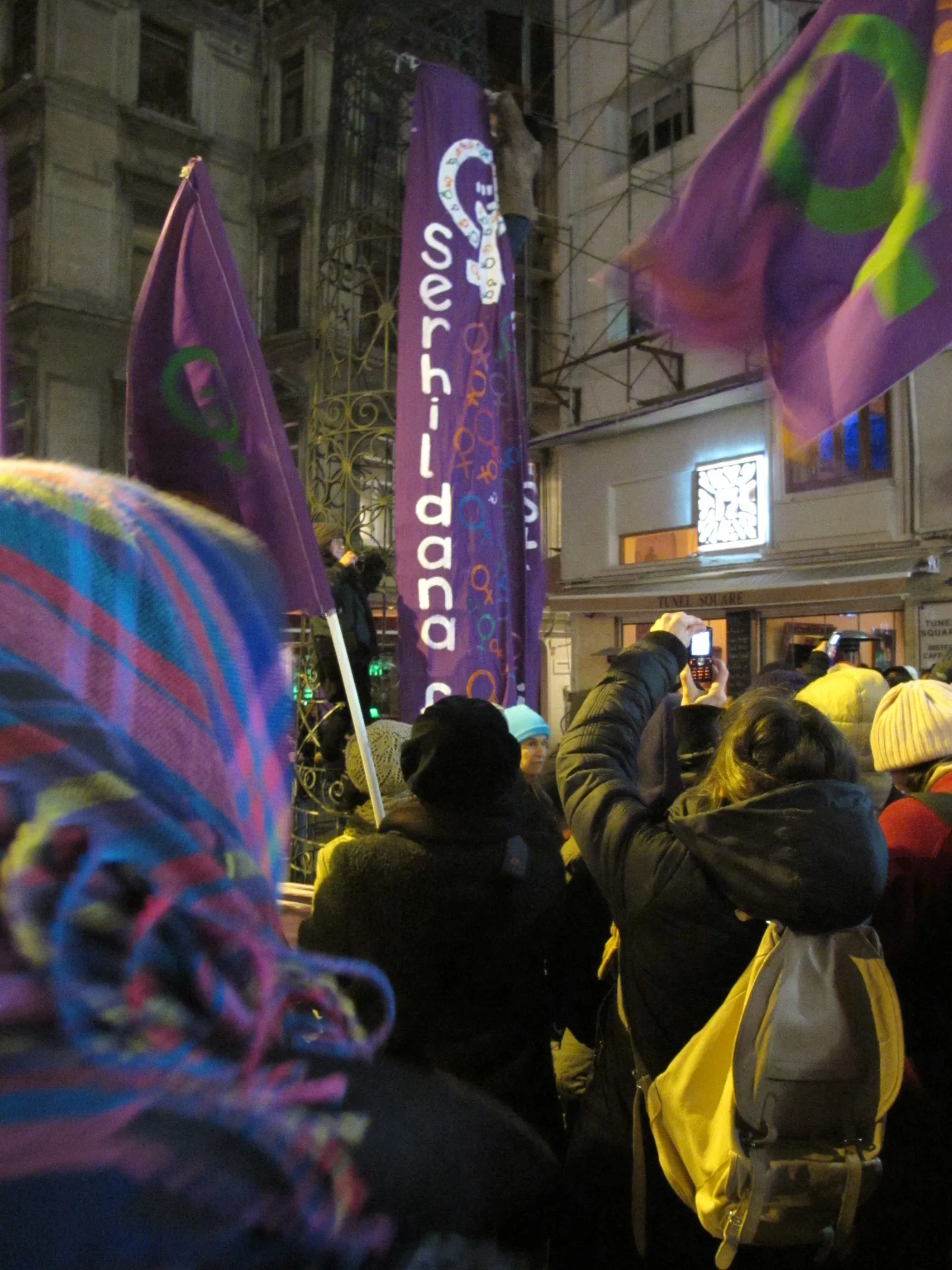
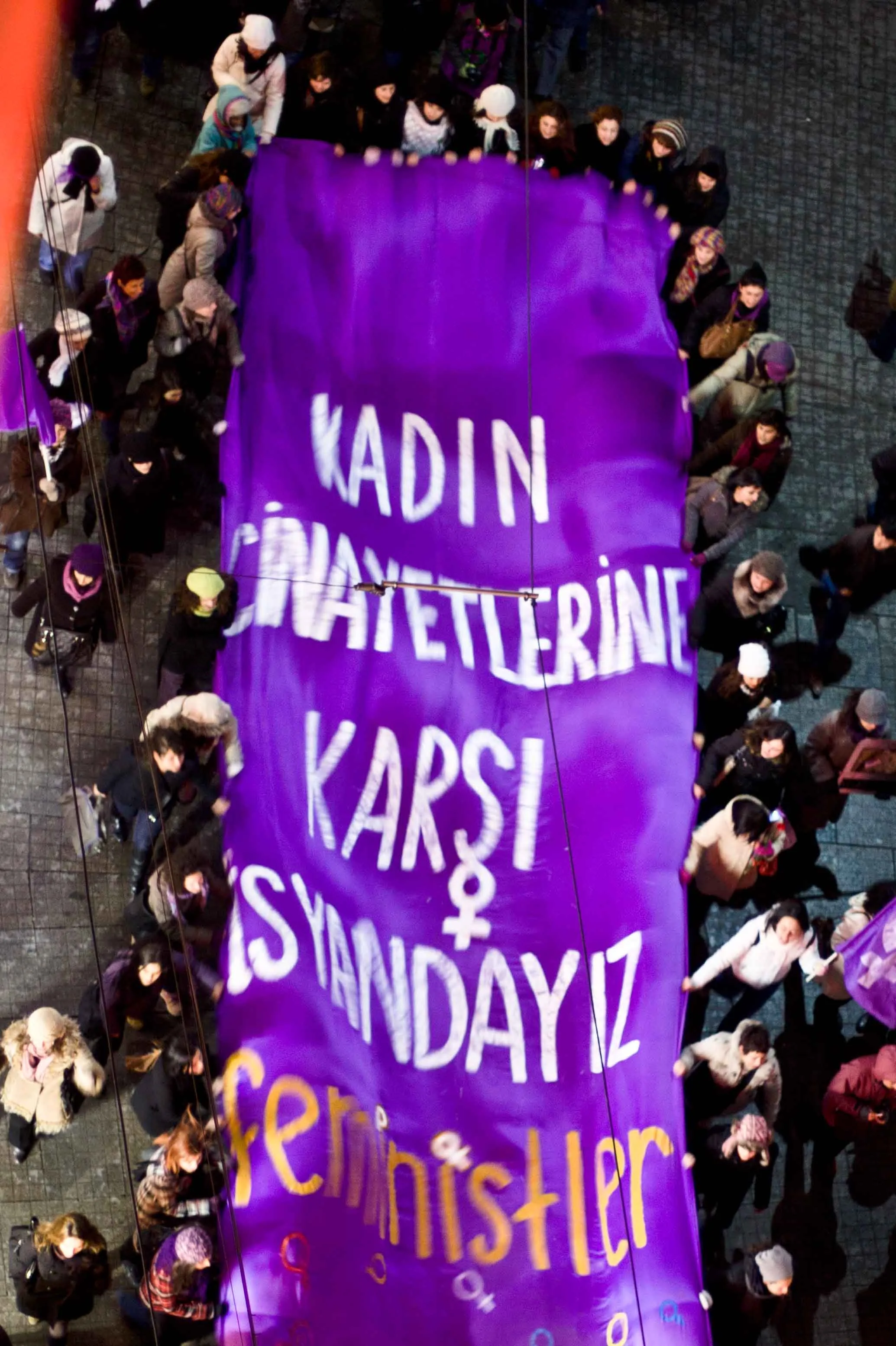
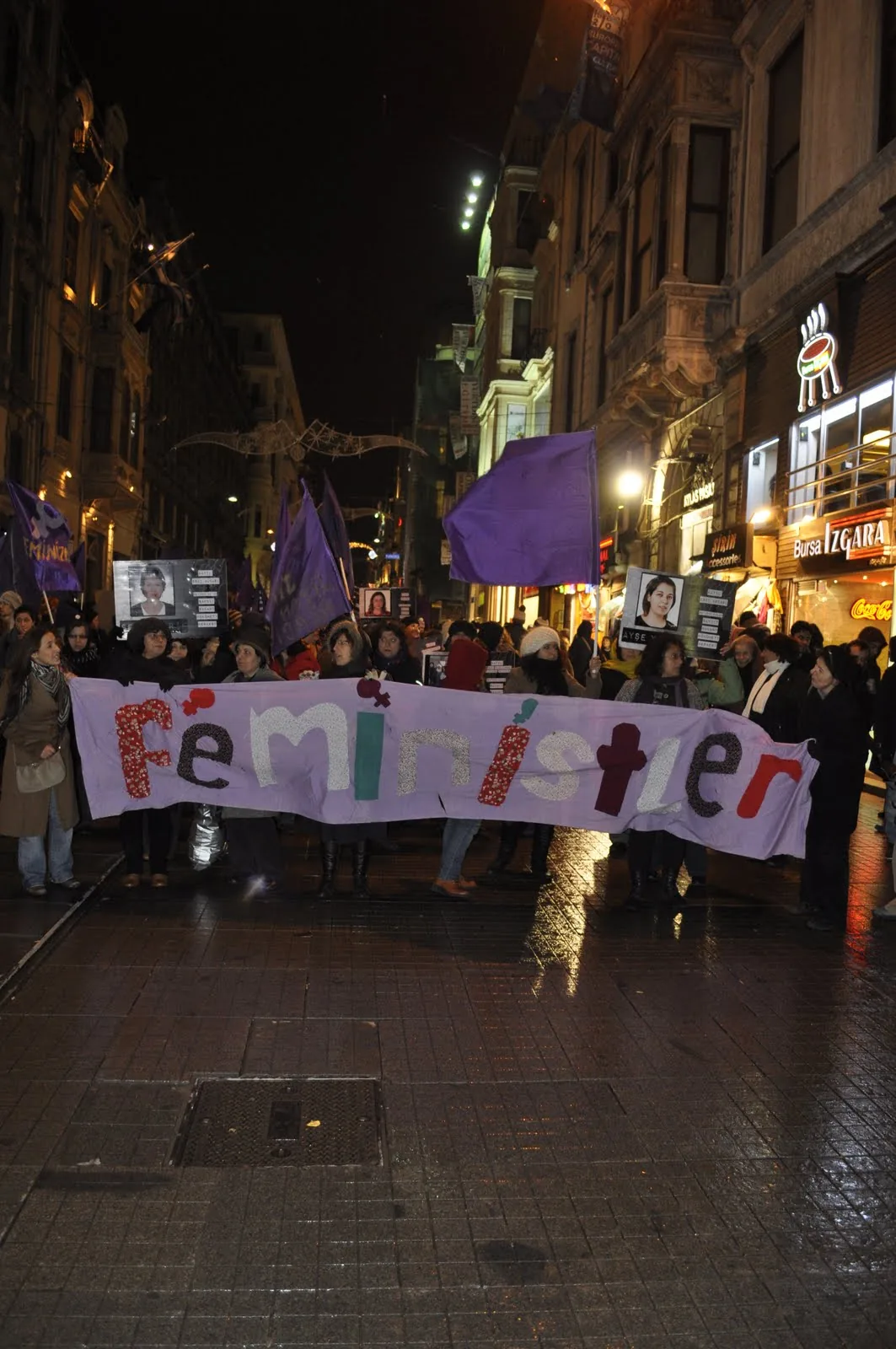
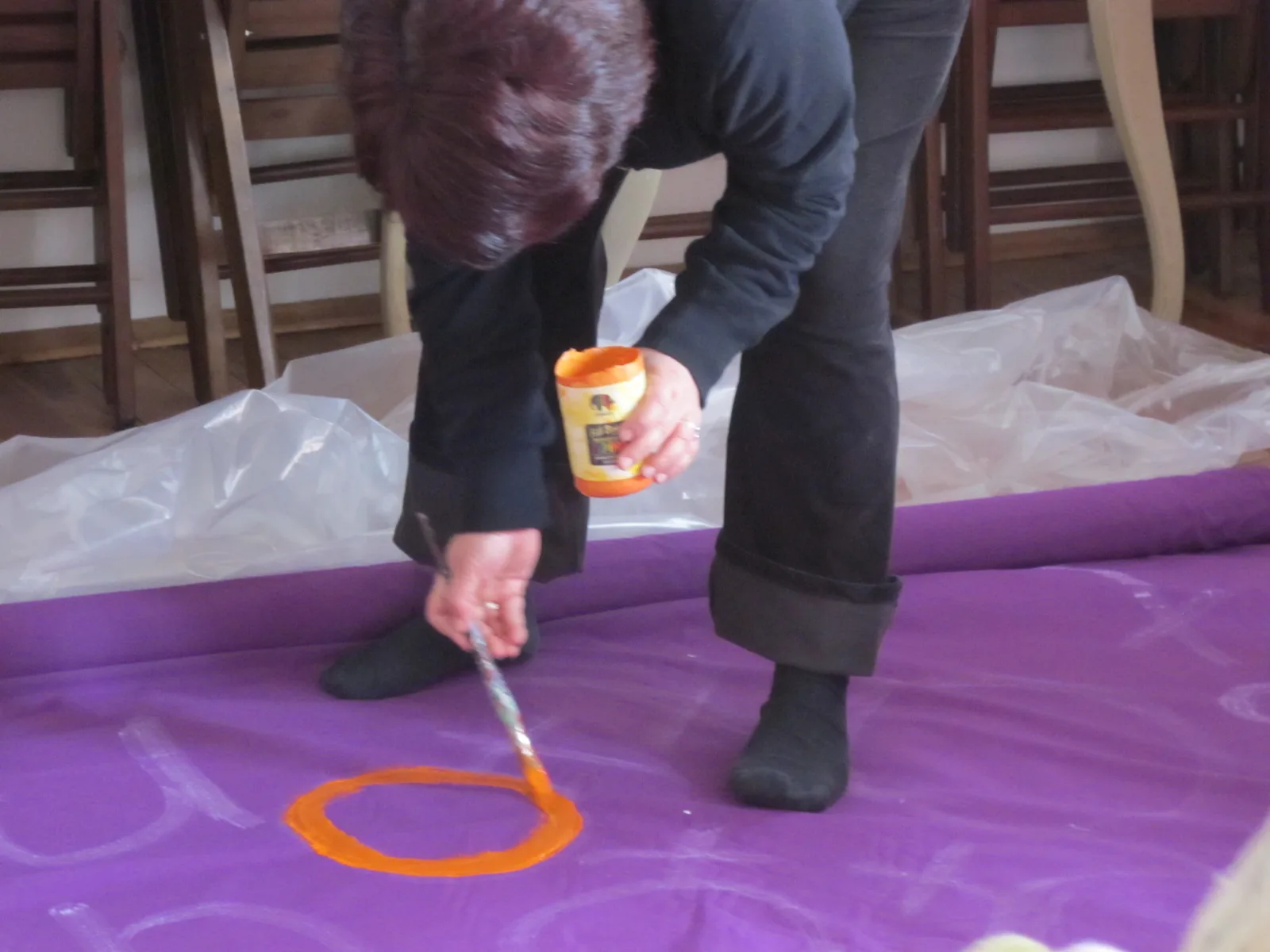
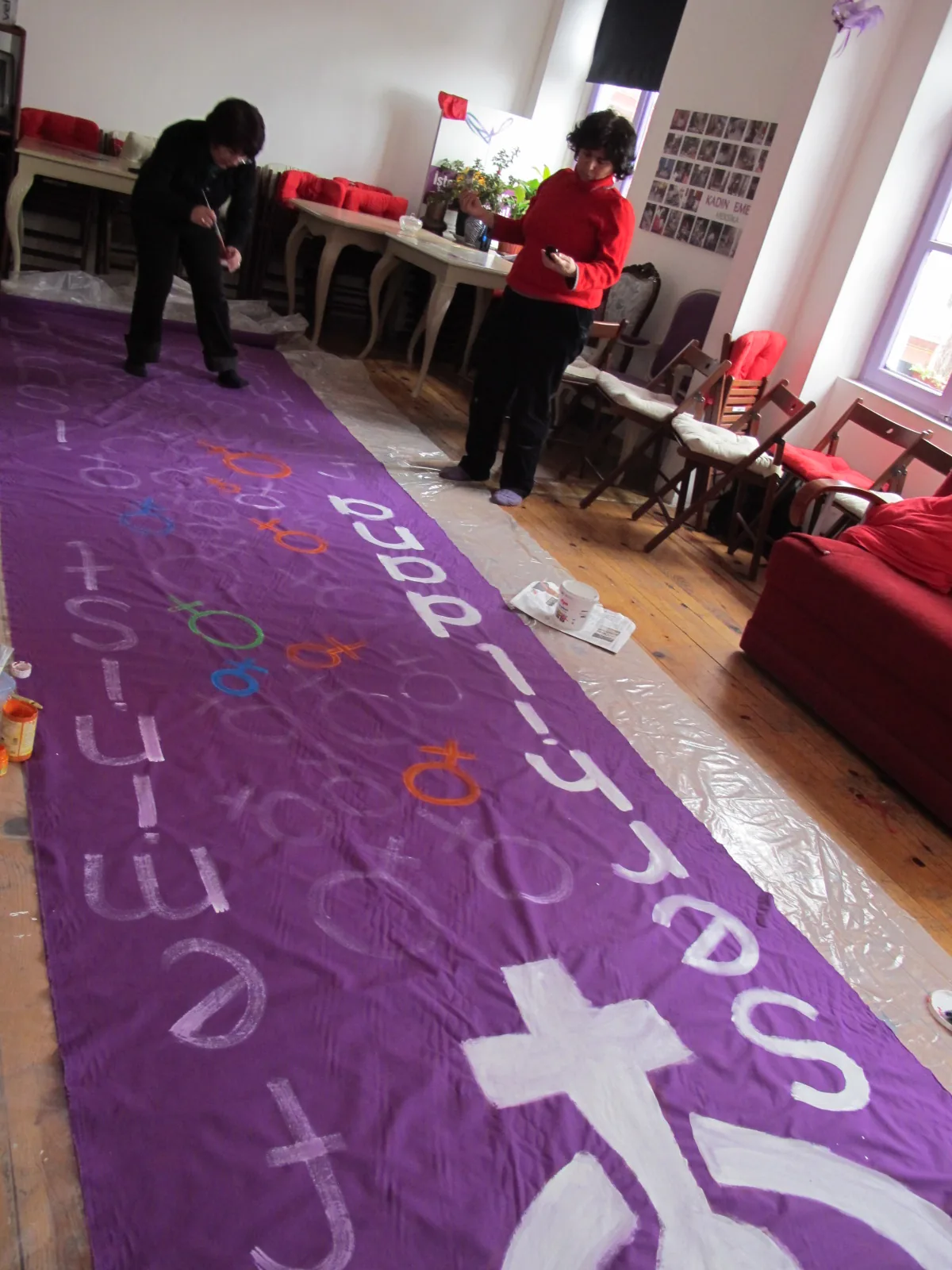
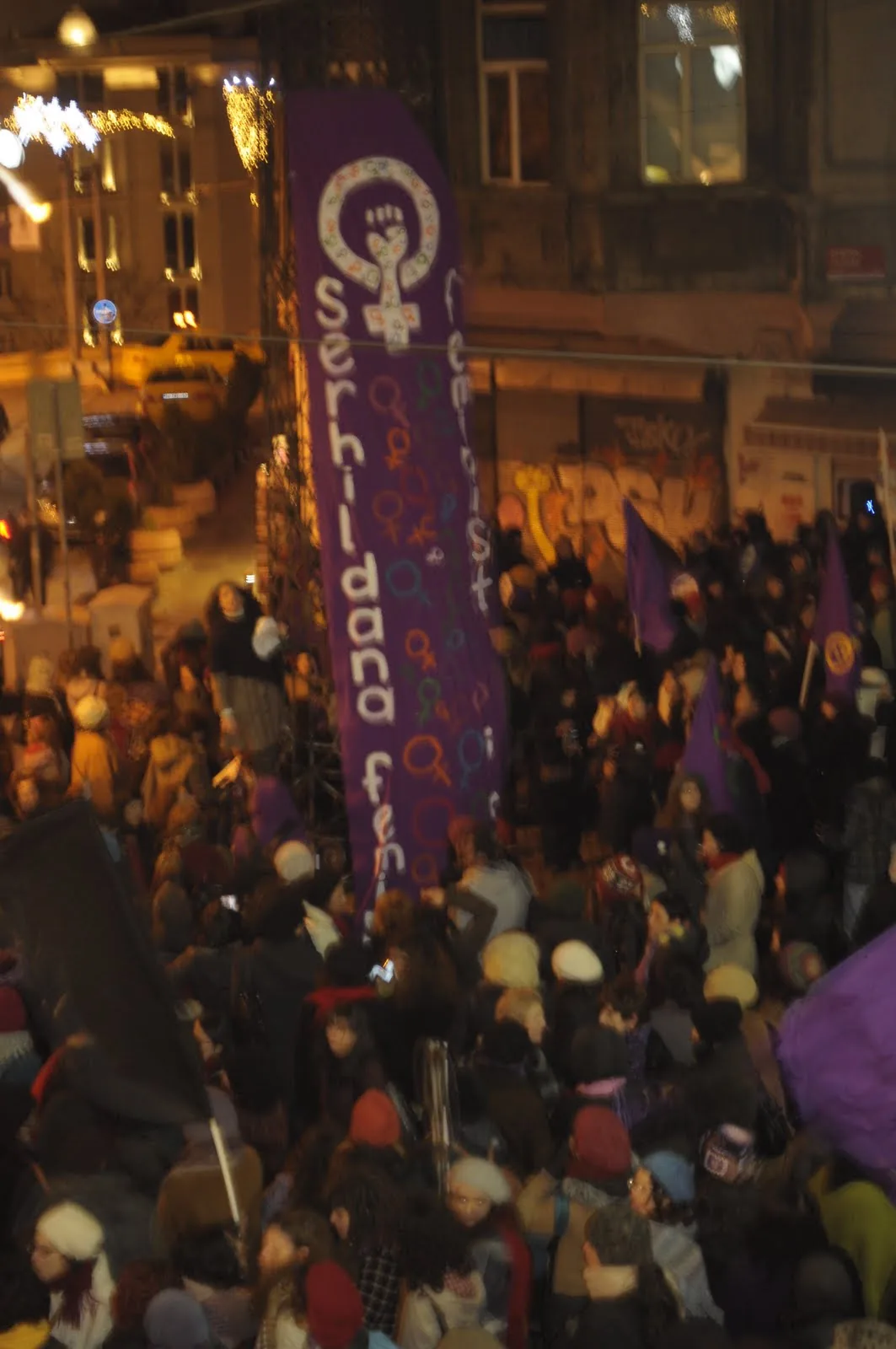
Feminists + We revolt against femicide + Feminist revolt / serhildana feminist (three banners)
Route
Taksim - Tünel
Meeting point
Taksim tram stop, 19:30

2011: Feminists; we revolt against femicide; feminist revolt / serhildana feminist

Signed by: Istanbul Feminist Collective

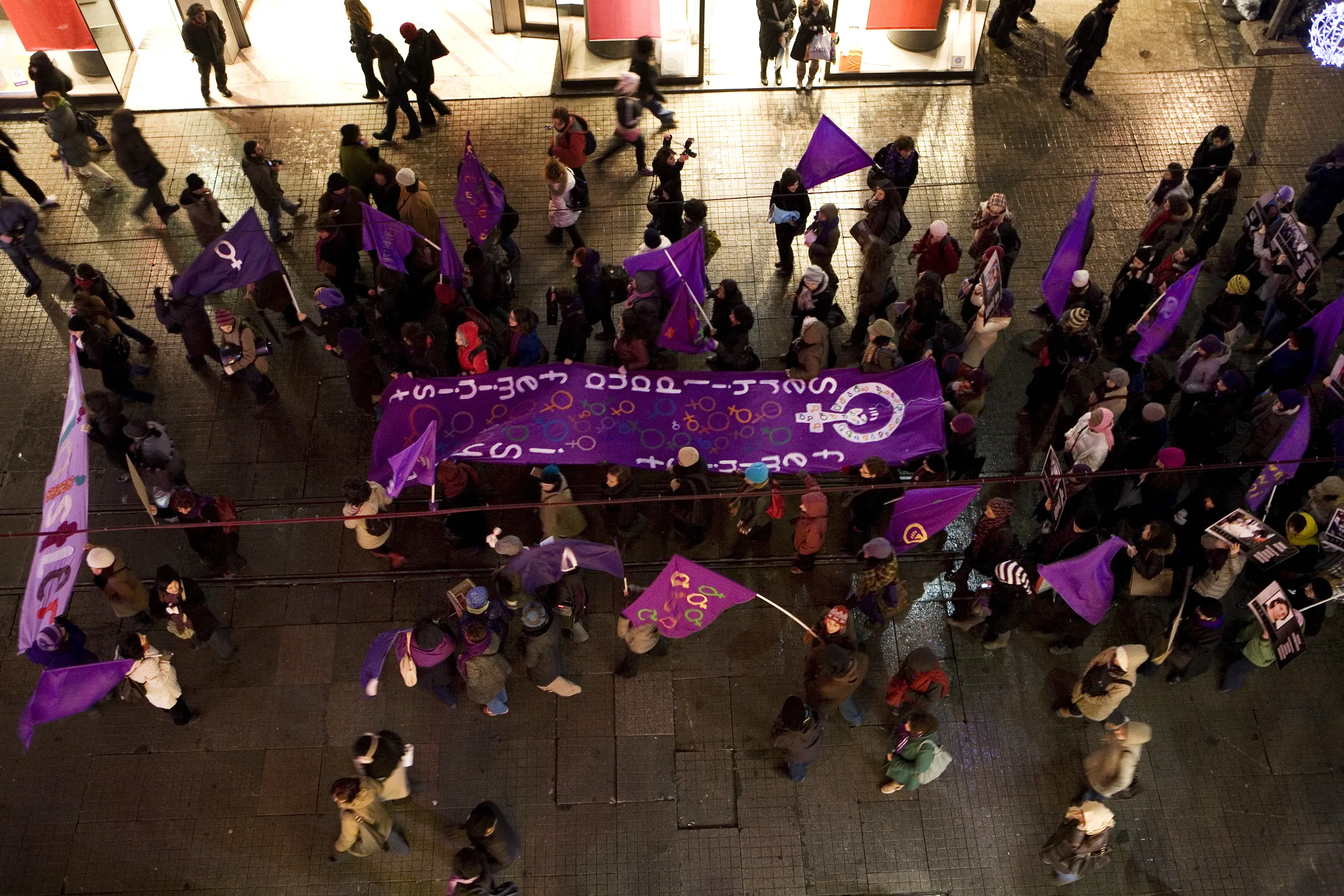
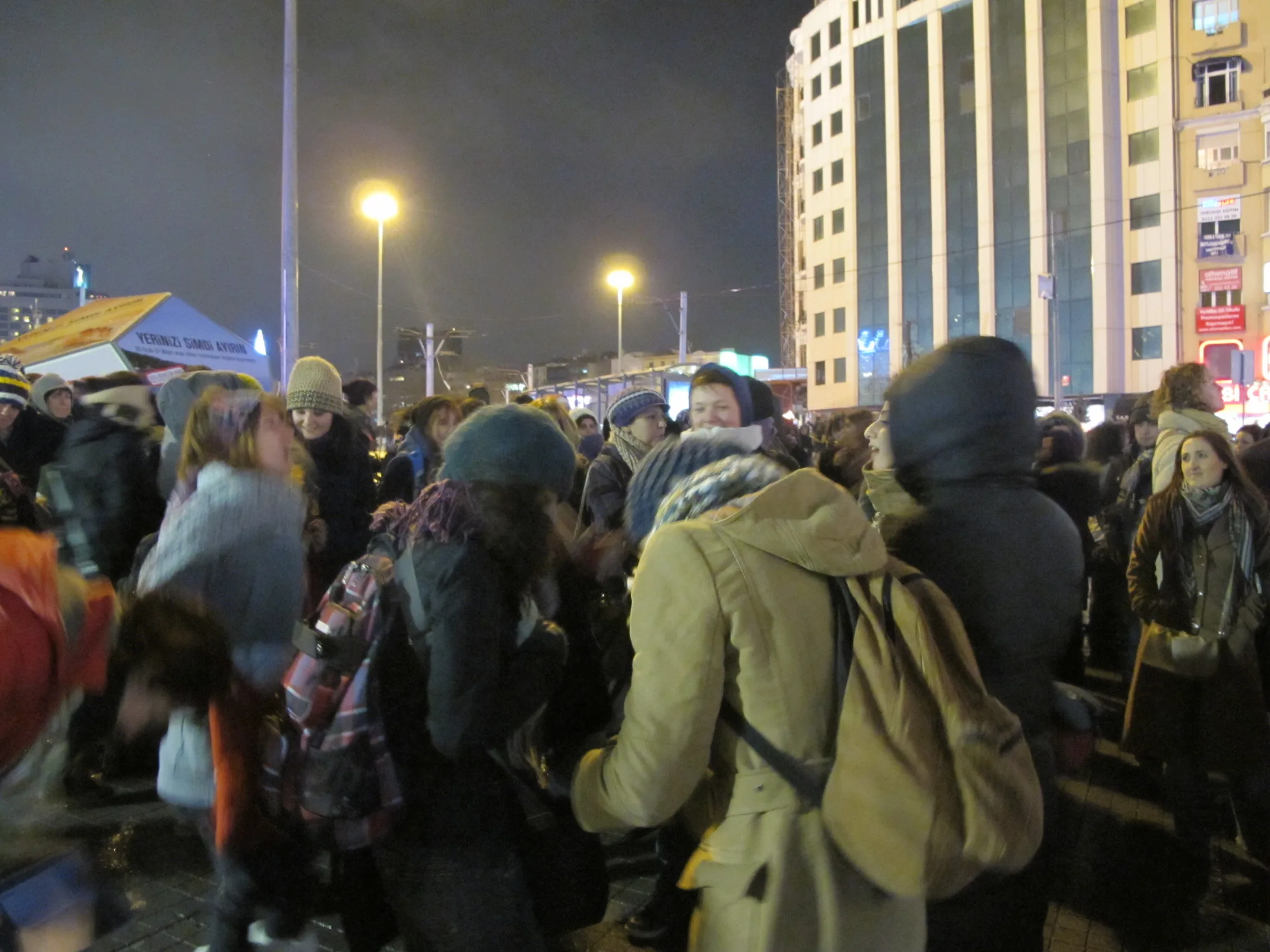
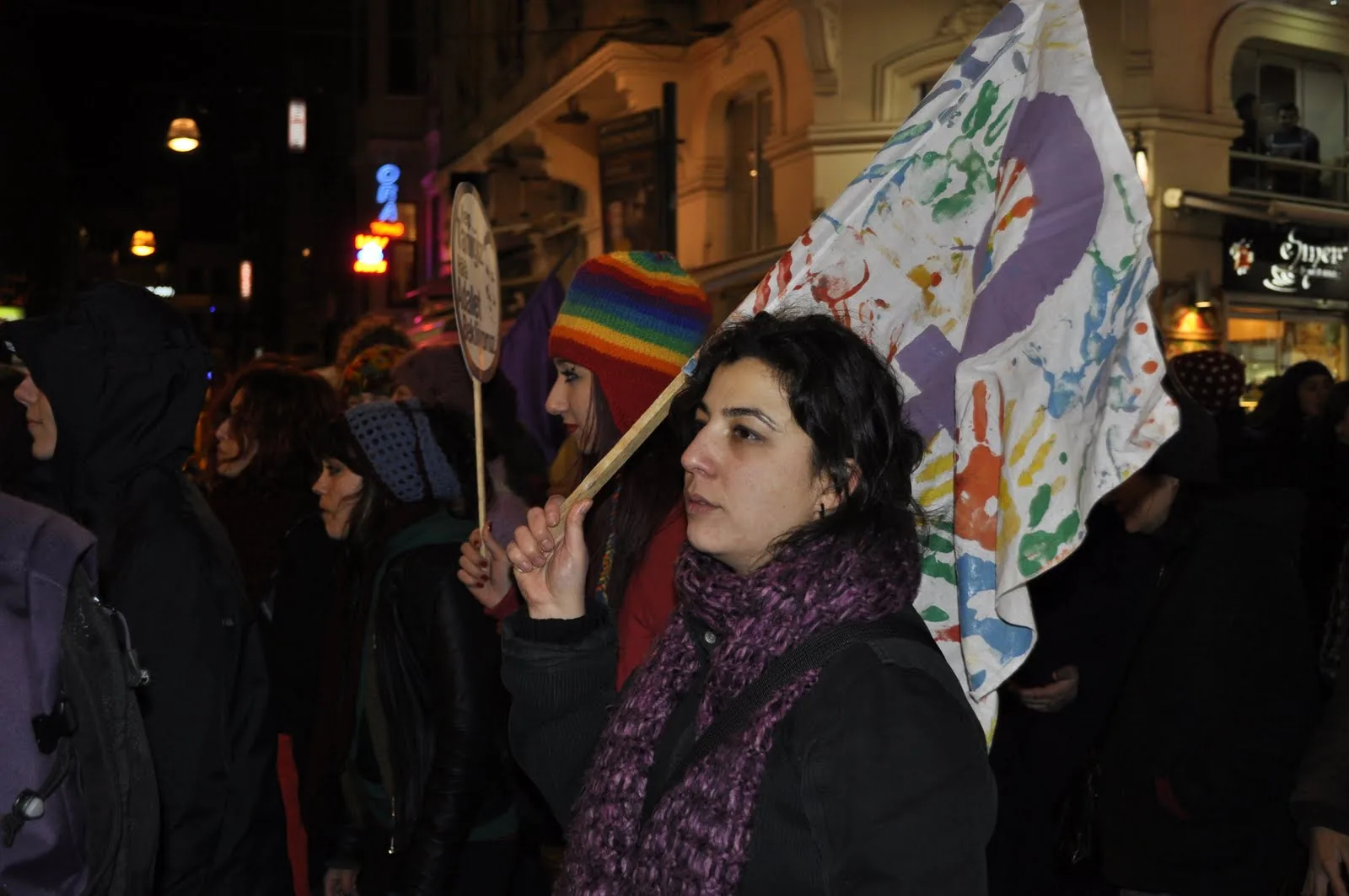
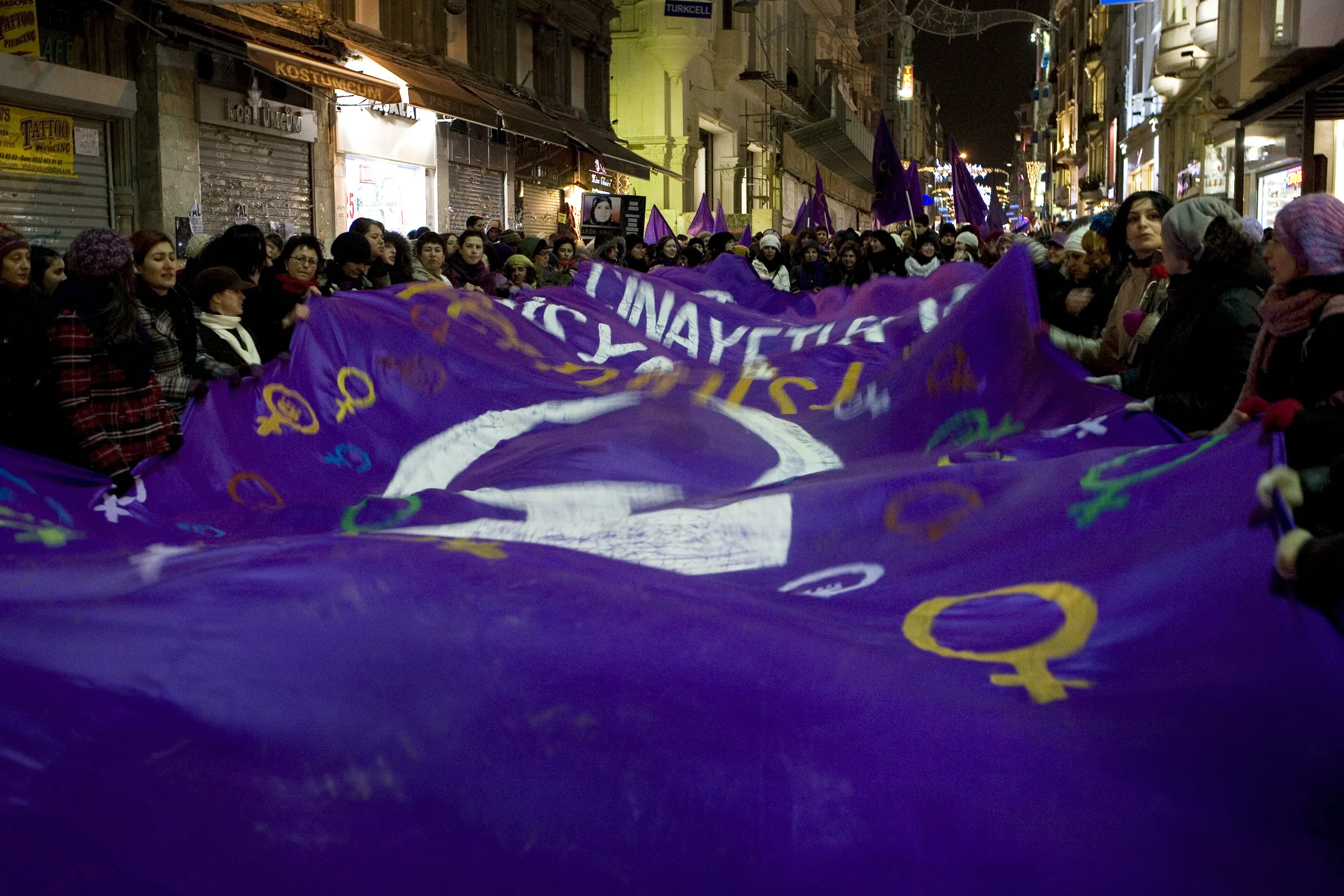
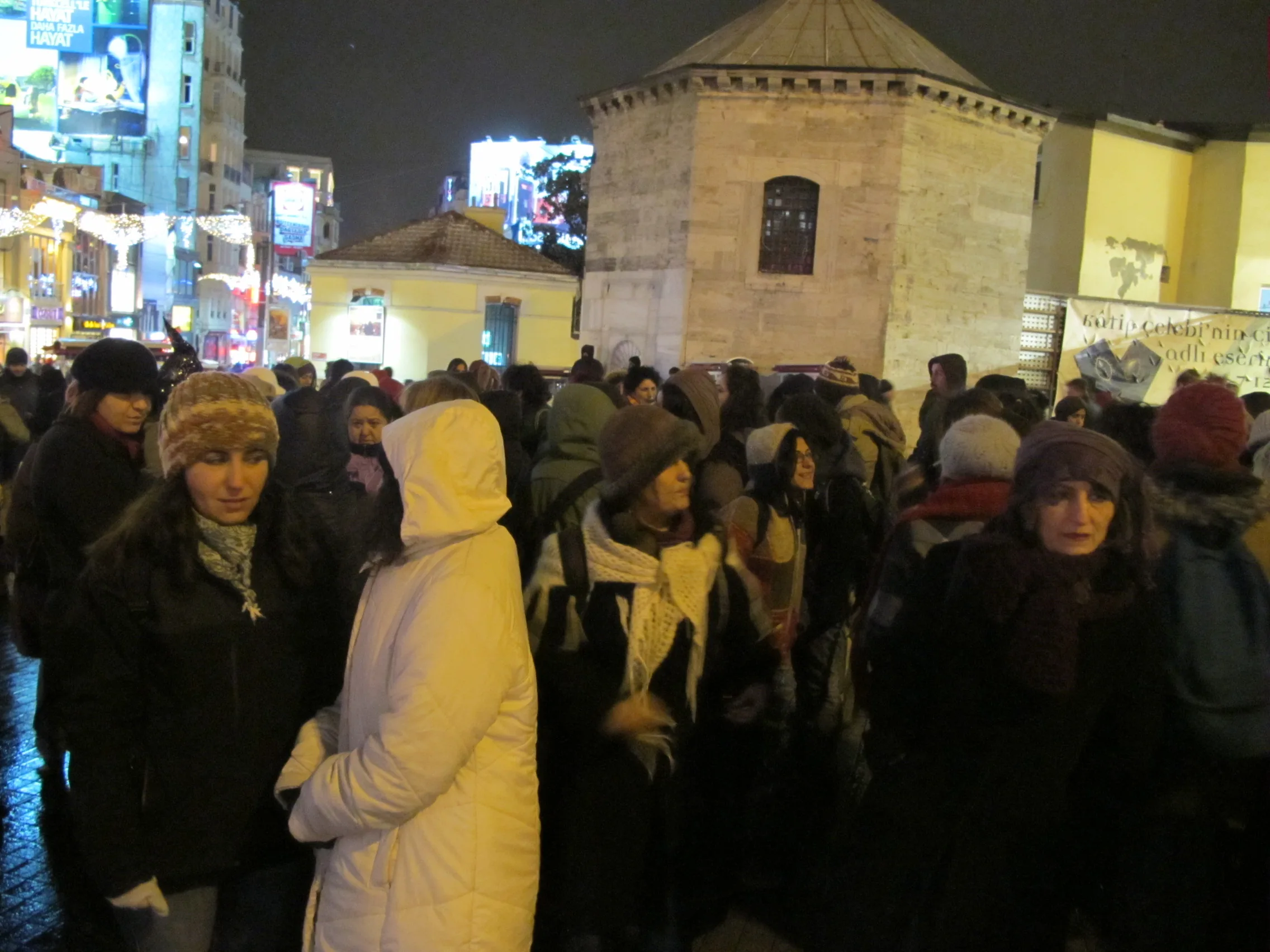
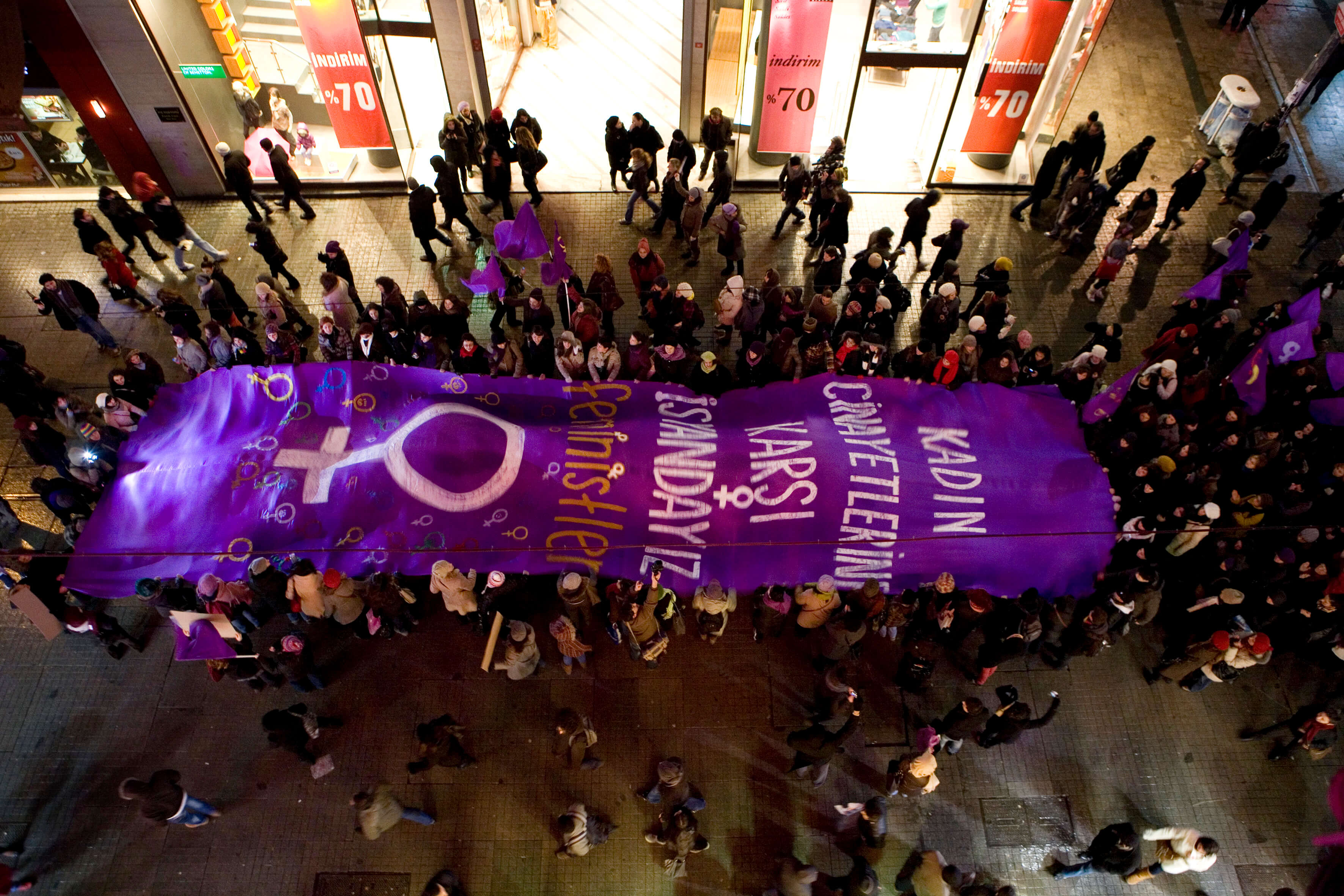
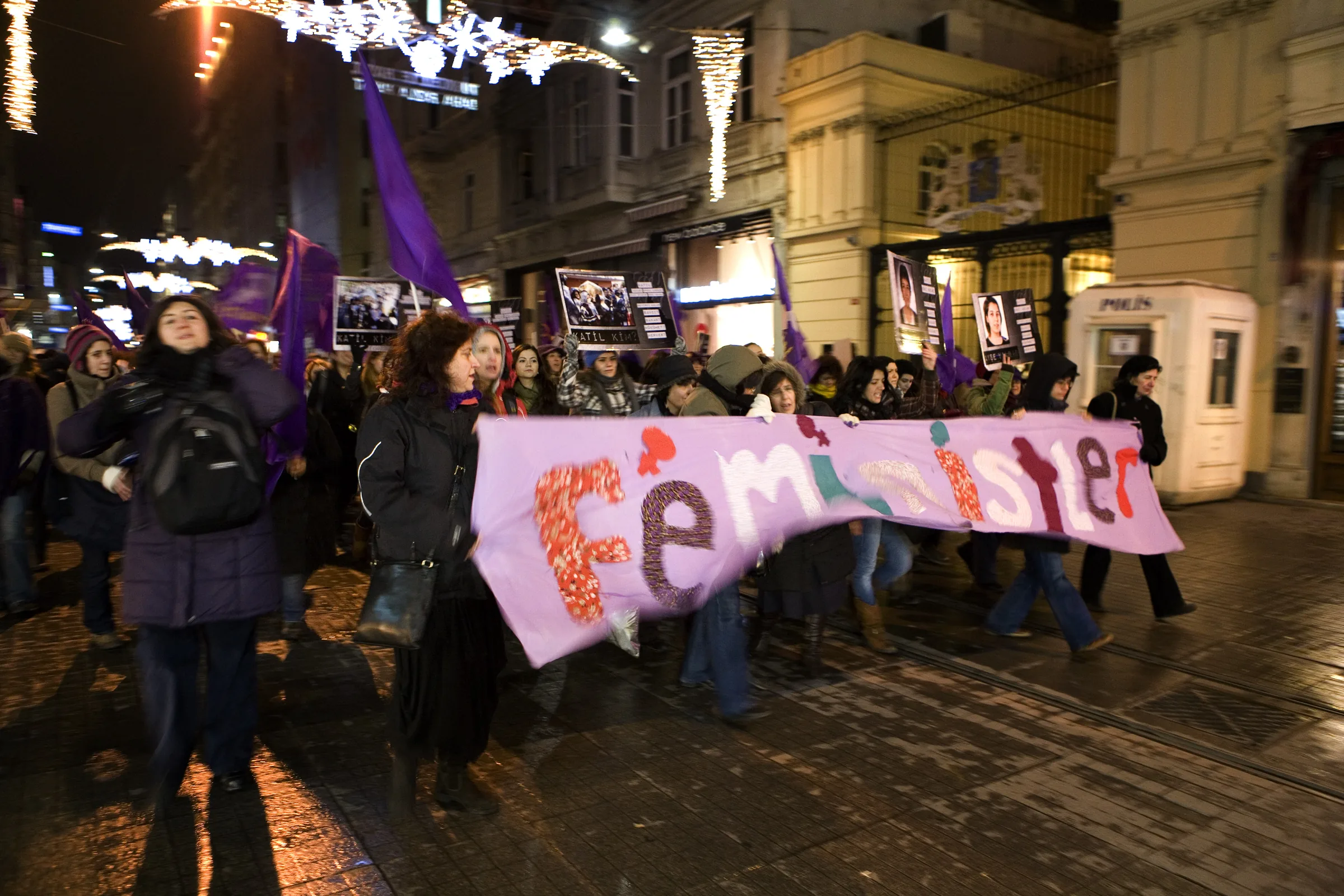
The 2011 March 8 Feminist Night March took place at the Feminist Collective’s call. That year, to raise its visibility, the We Revolt Against Femicide campaign announced its supporting groups as constituents of the Istanbul Feminist Collective (İFK): independent feminists and women from Amargi, Filmmor, KADAV, Mor Çatı, the Socialist Feminist Collective, MEDİZ and Women for Women’s Human Rights – New Ways. They continued as İFK constituents for several years. This did not change the principle of individual participation in organising the Feminist Night March, and organisations’ names were not included in march statements. It did, however, open the way after 2011 to seek support from organisations when setting budgets and making similar arrangements.

Correspondence and proposals concerning the 2011 Feminist Night March circulated on cinayetlereisyandayiz@googlegroups.com, created for the We Revolt Against Femicide campaign, while feminist@yahoogroups.com was used mainly for announcements.

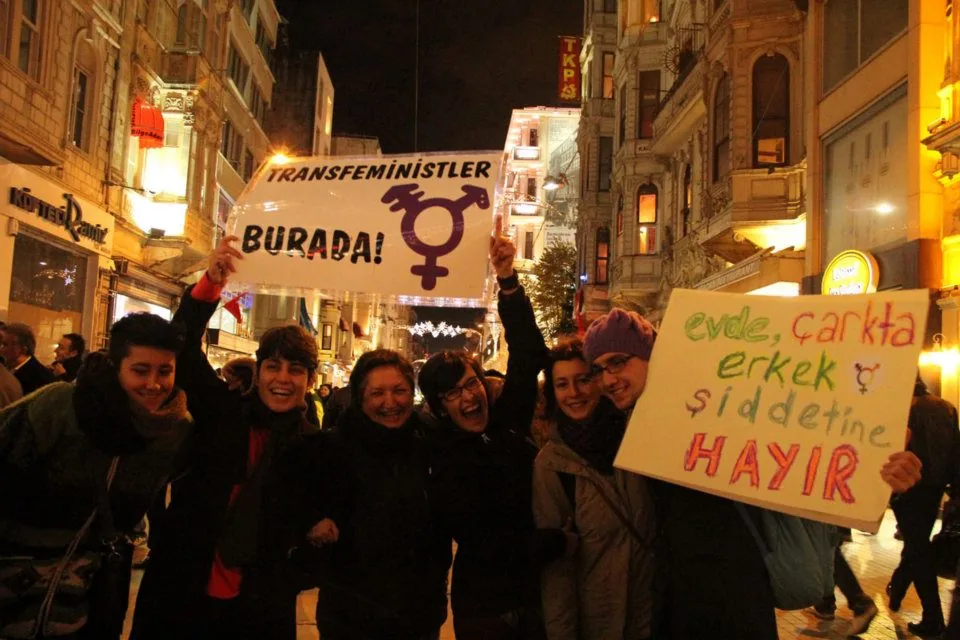
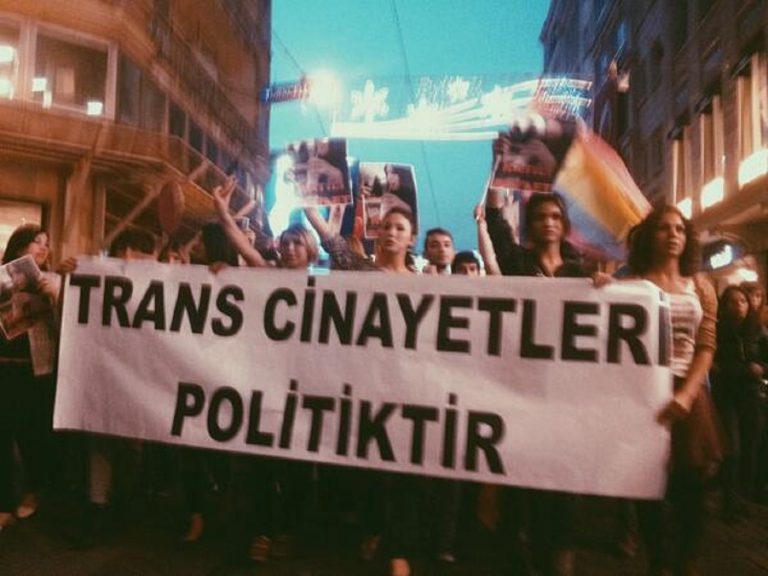
During preparatory meetings, feminists from Lambda and İllet argued that the murders of trans people should be addressed on an equal footing with femicide. Following discussion, ‘Trans murders are political’ was added to the slogan list.

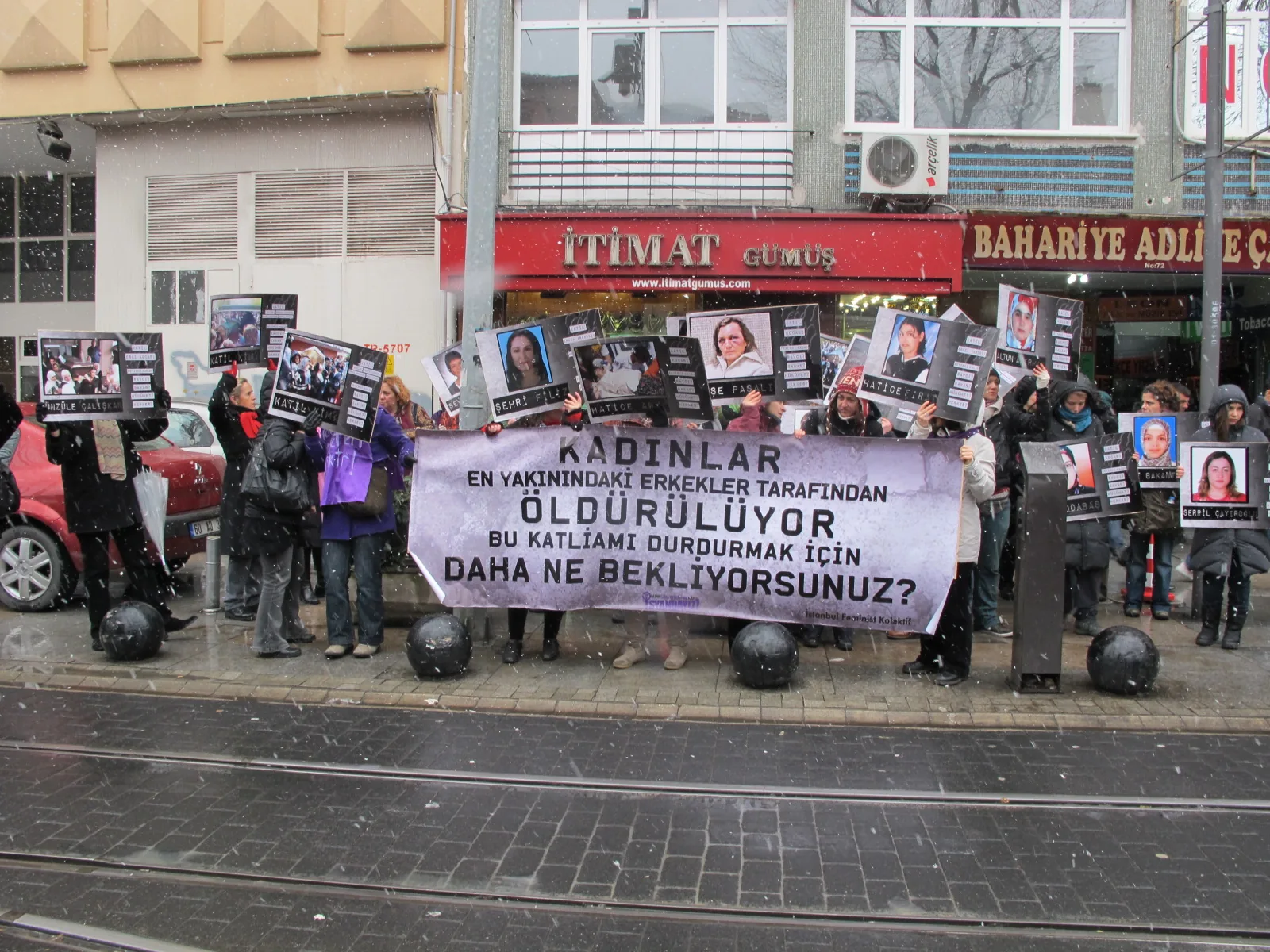
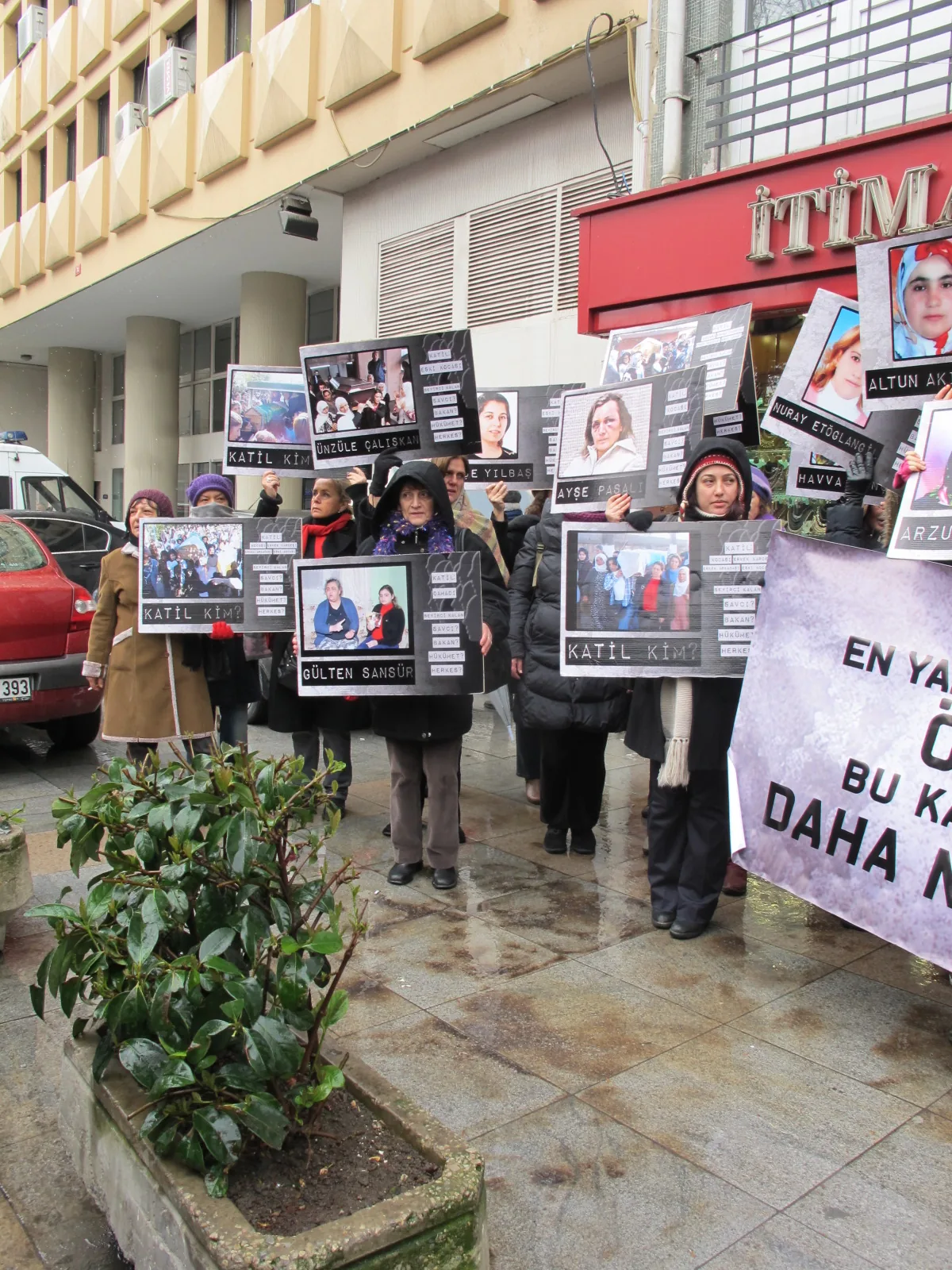
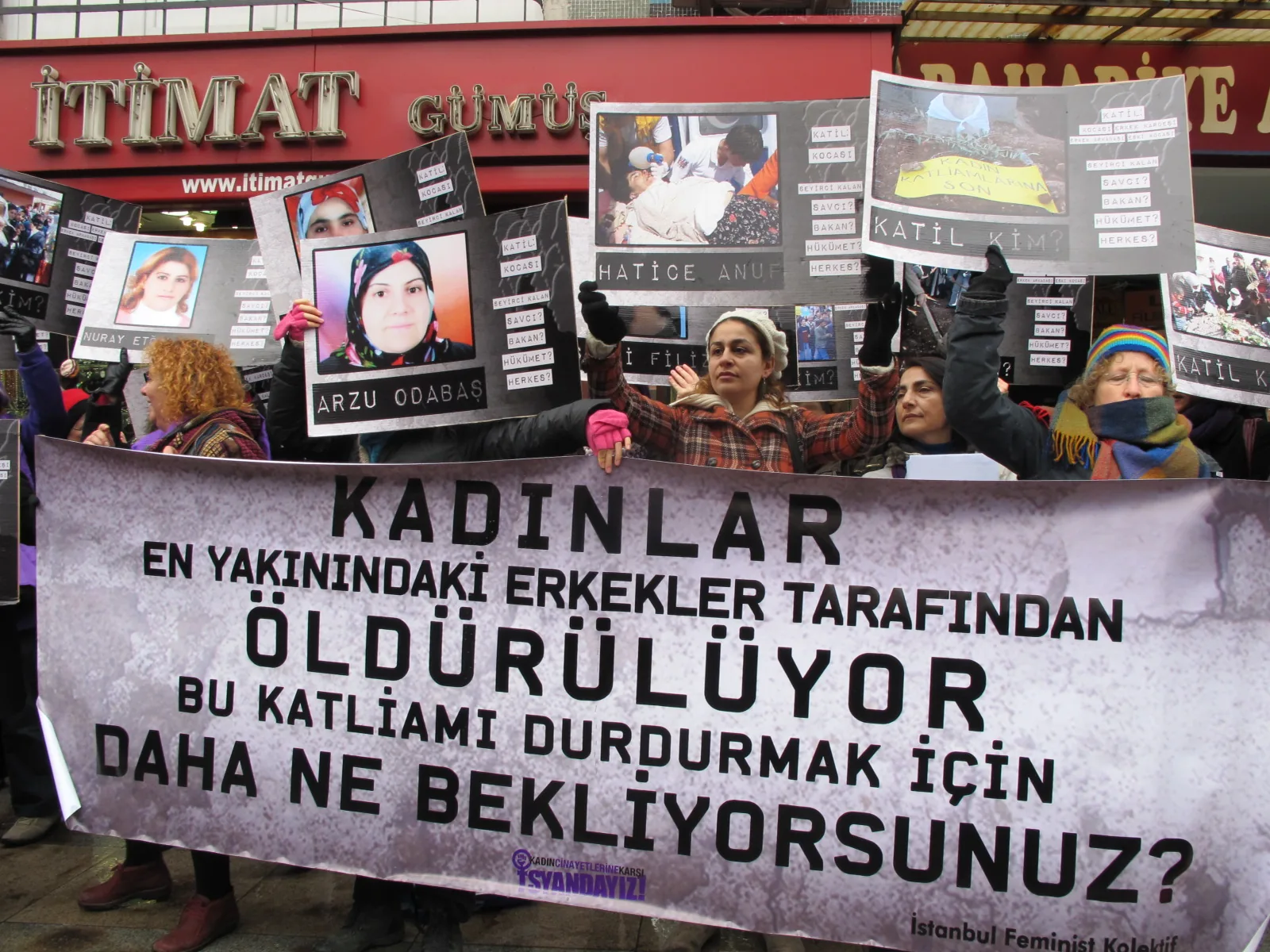
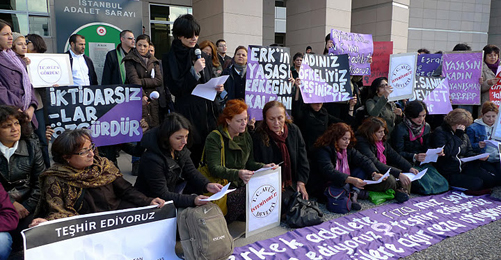
Before the Feminist Night March on March 8 in Istanbul, İFK held a one-hour silent protest outside the courthouse in Kadıköy at 10:00 as part of its We Revolt Against Femicide campaign. The banner read: ‘Every day, women are killed by men close to them. What are you waiting for to stop these massacres?’

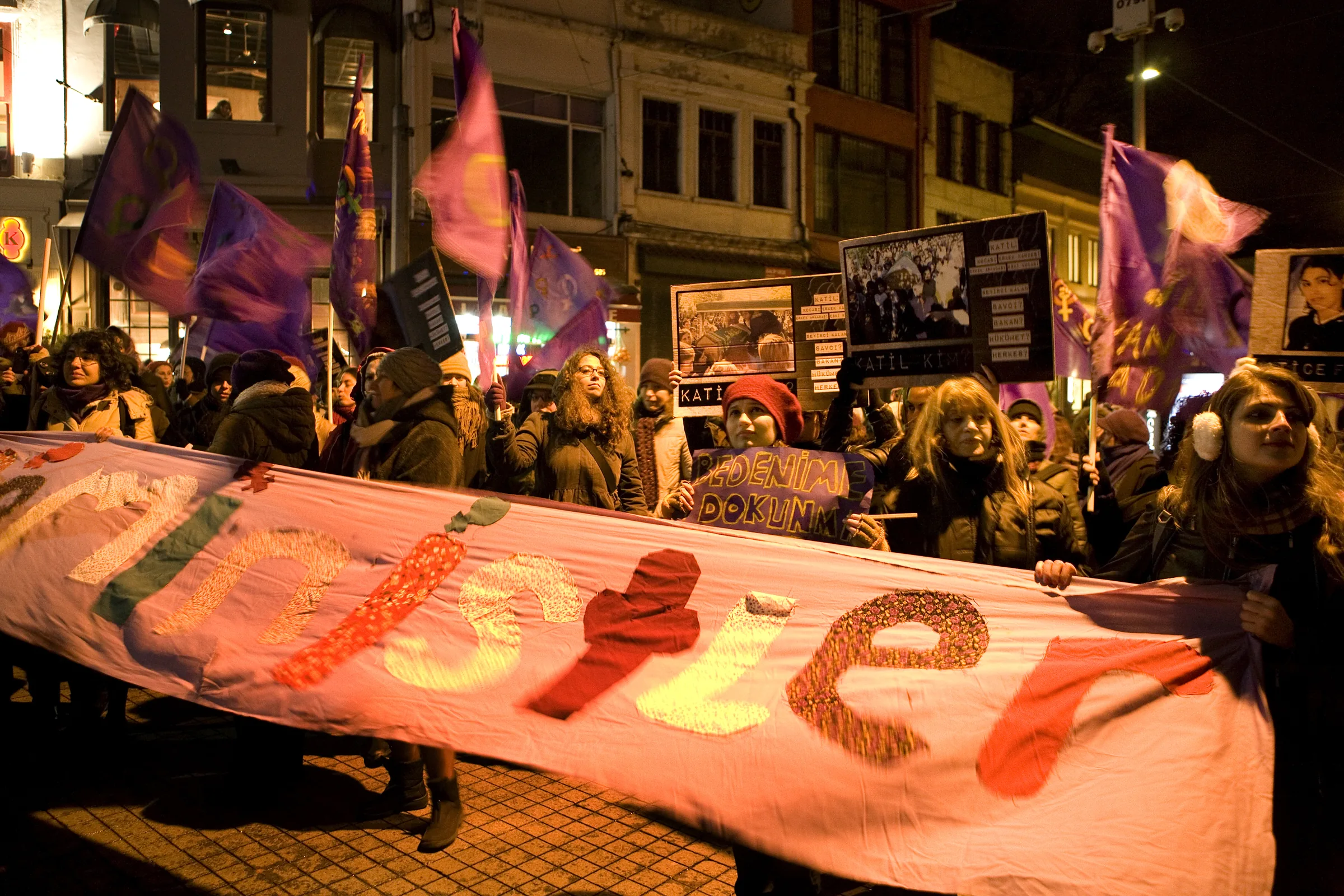
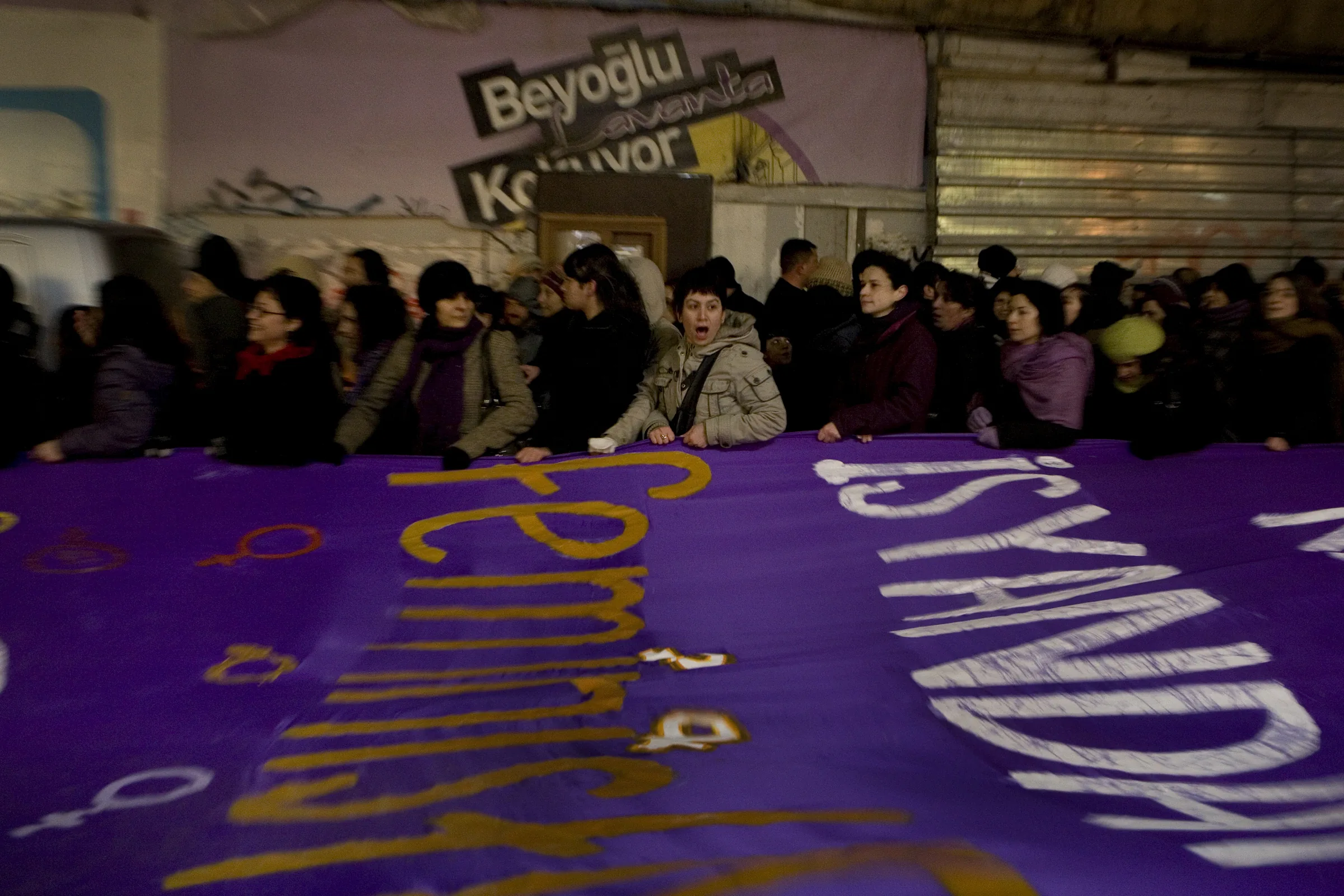
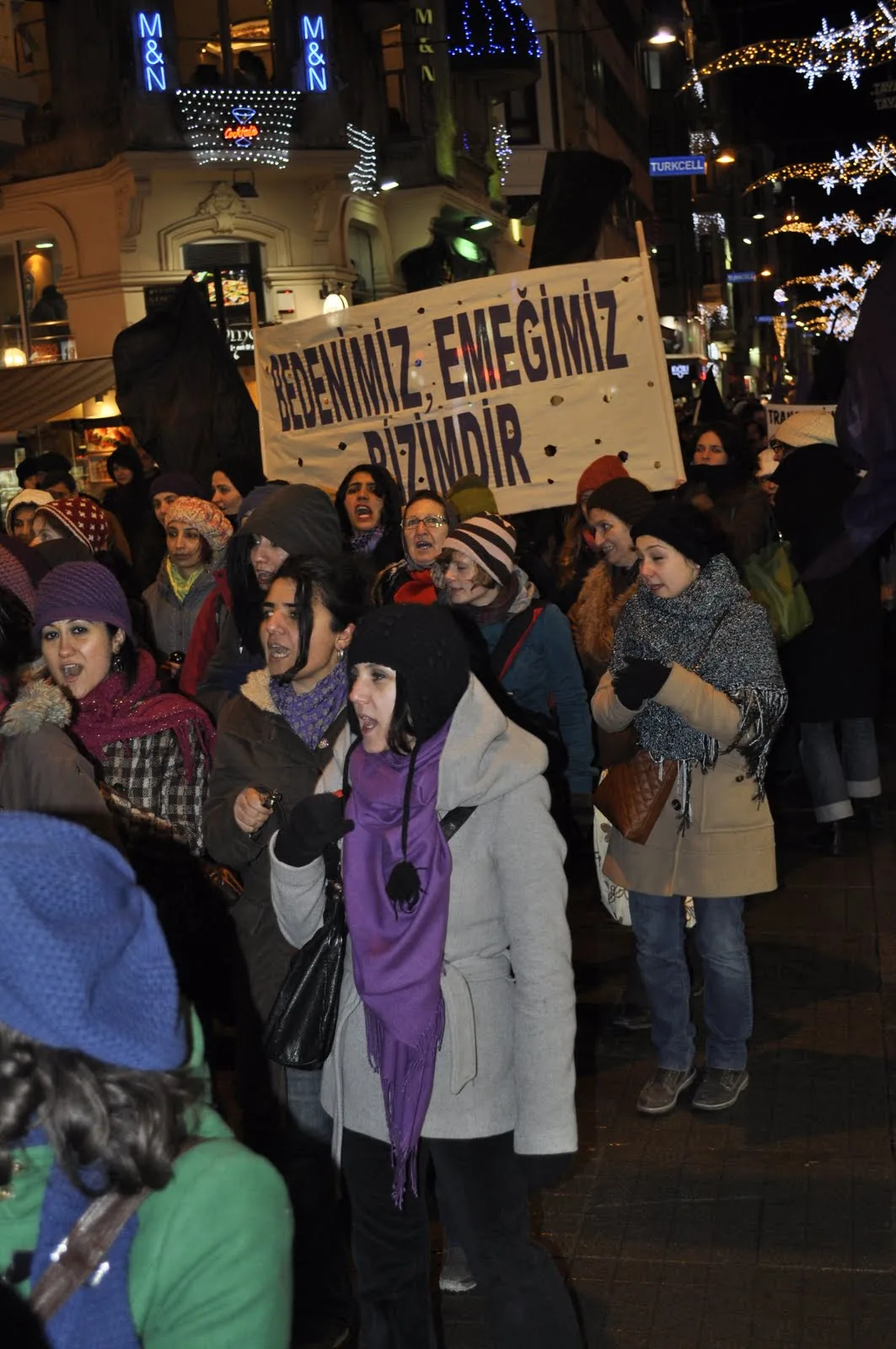
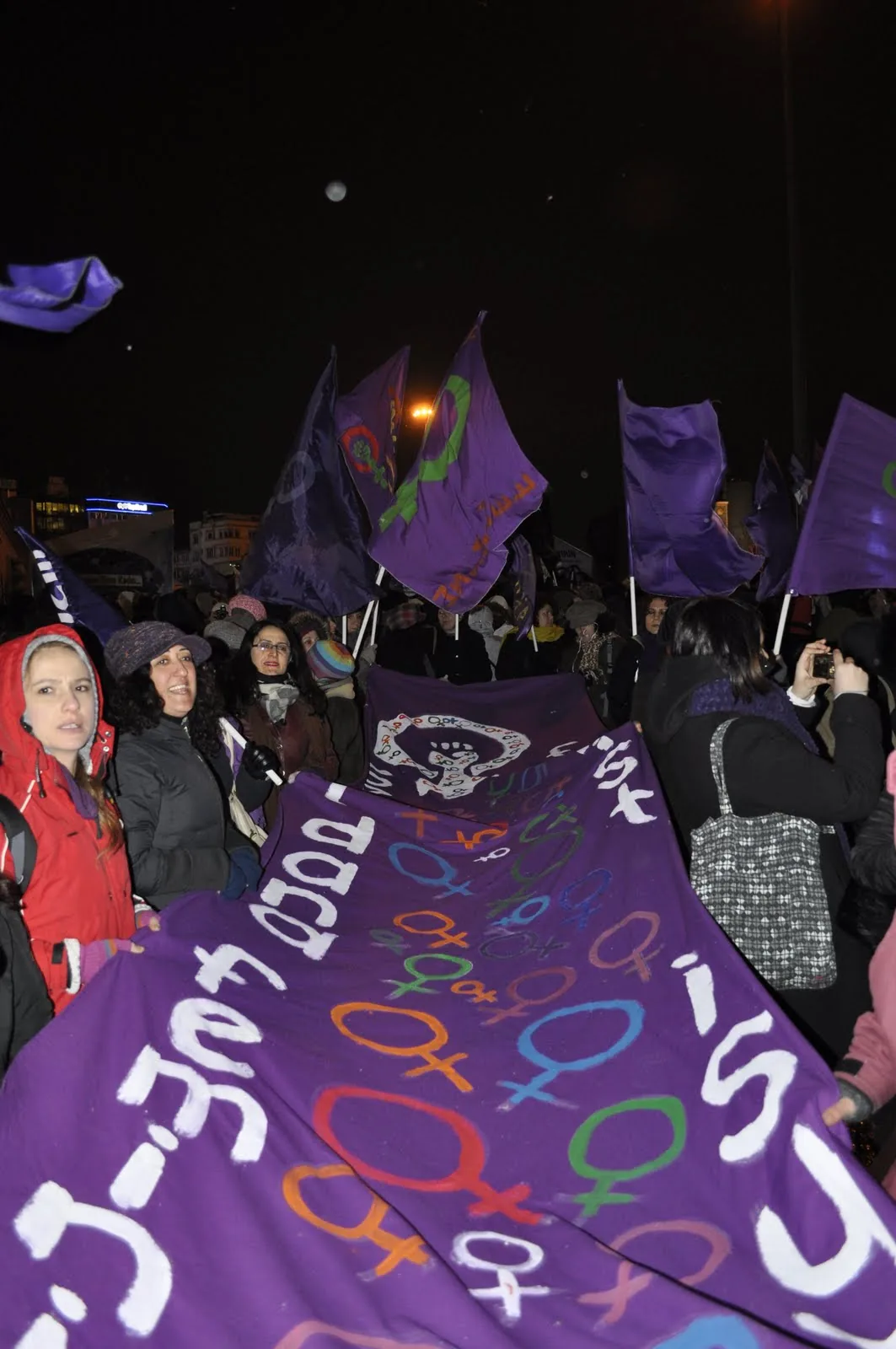
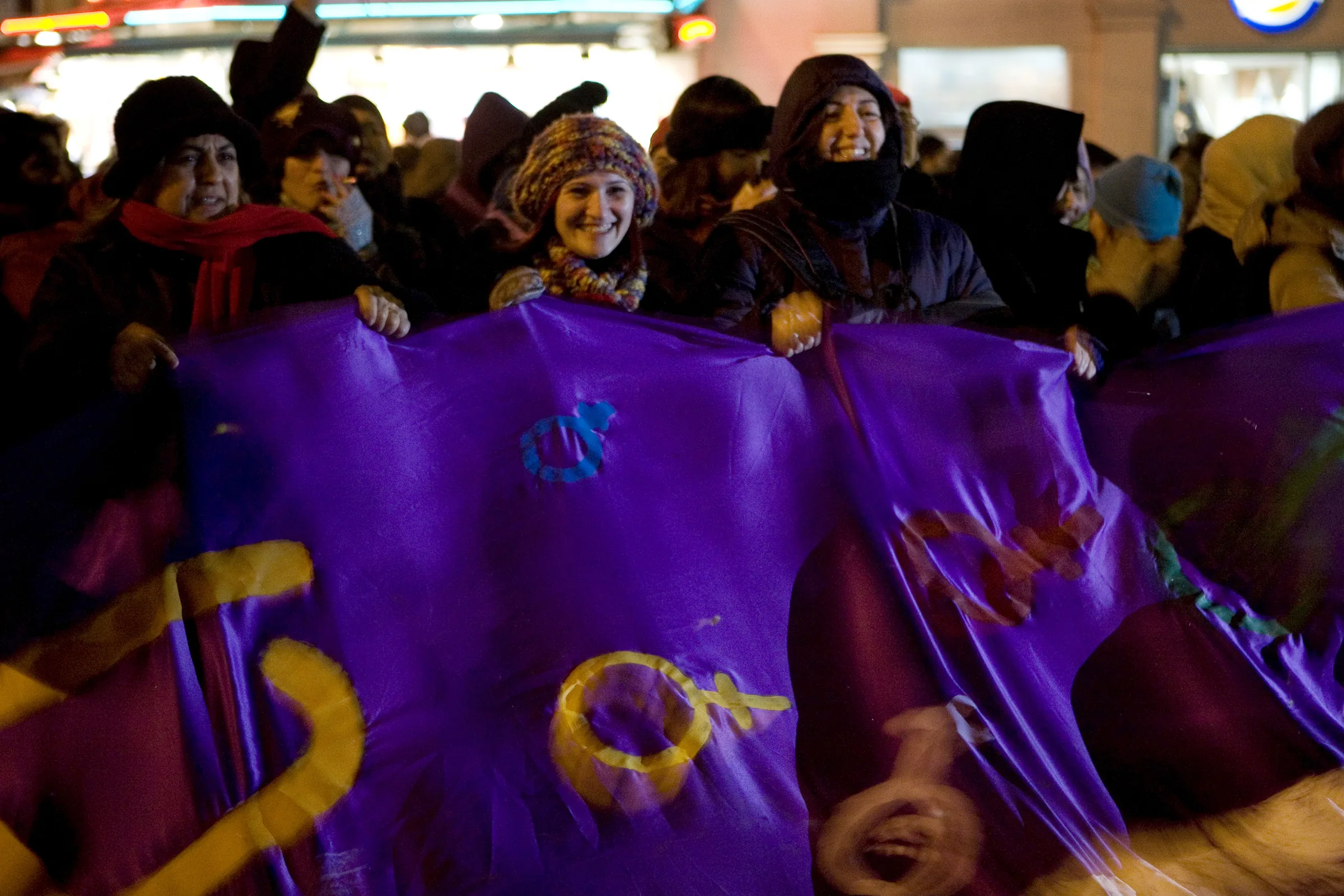
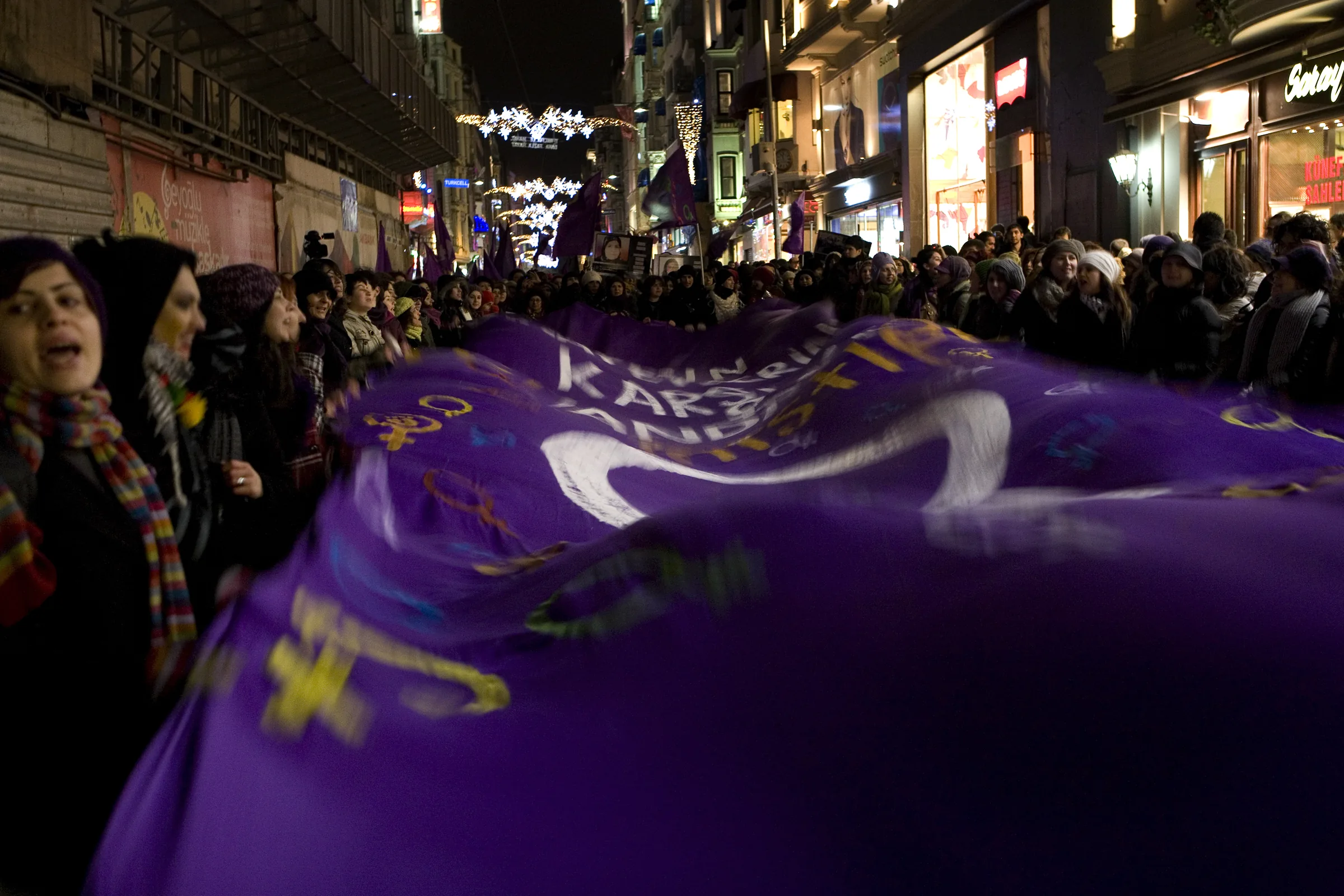
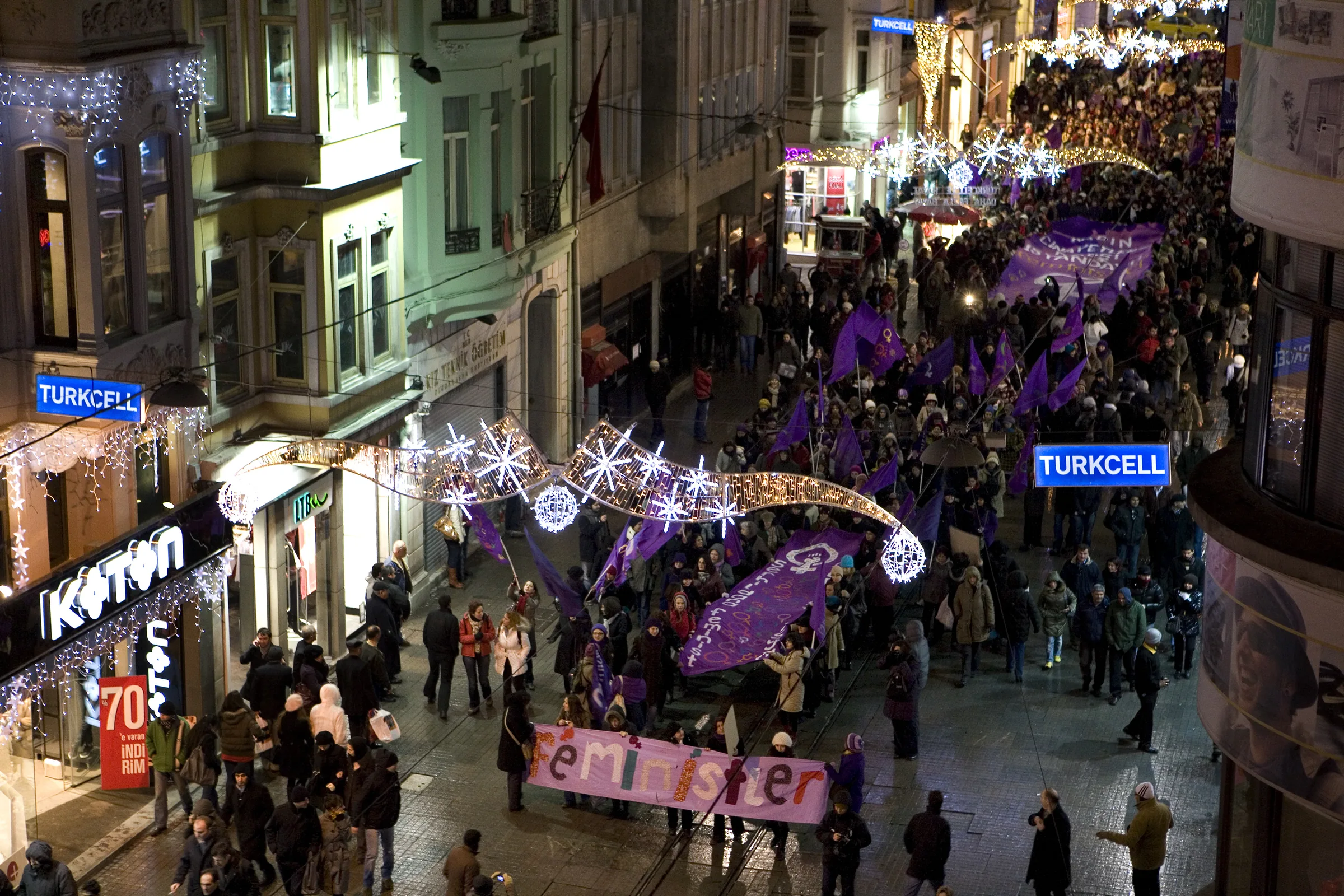
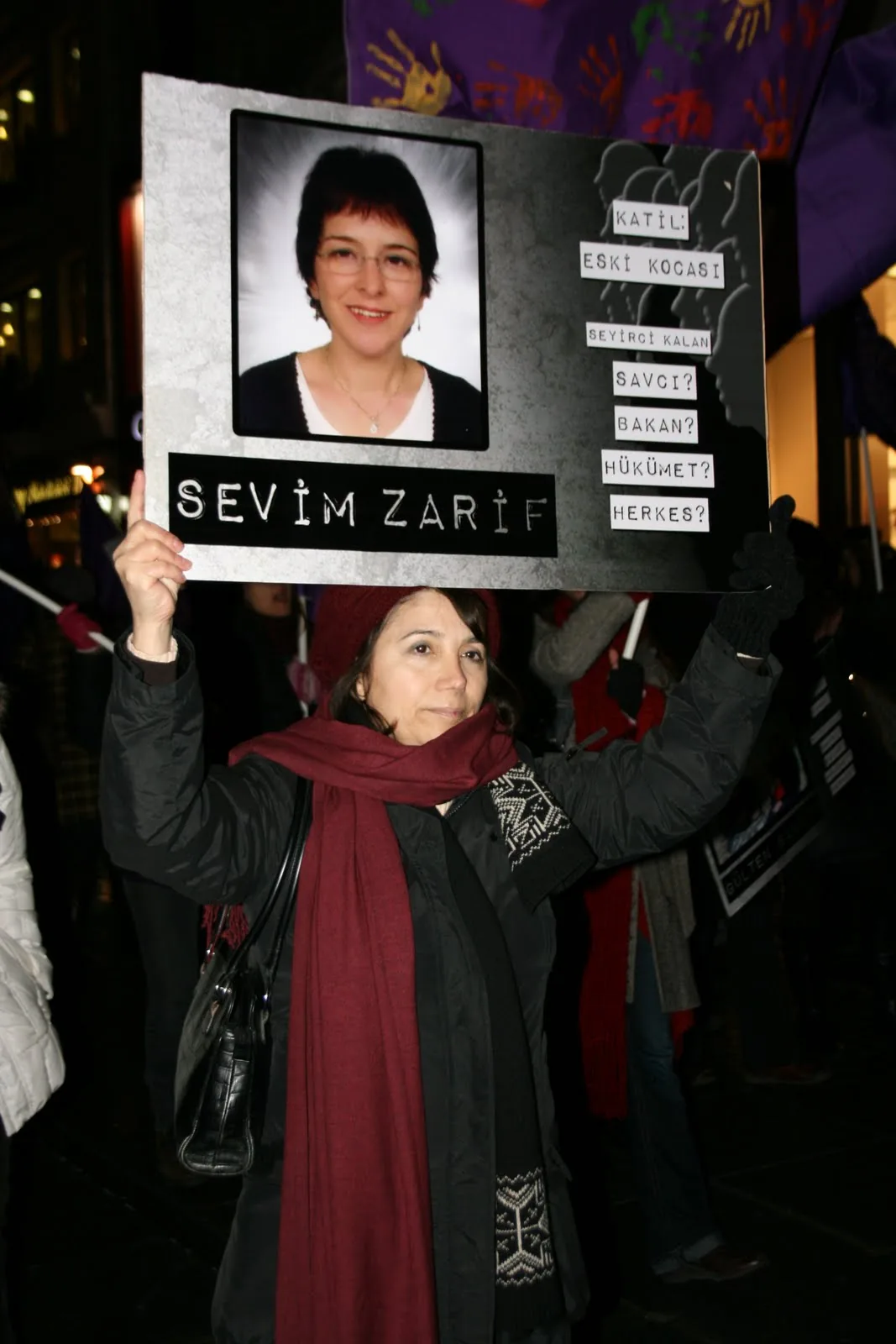
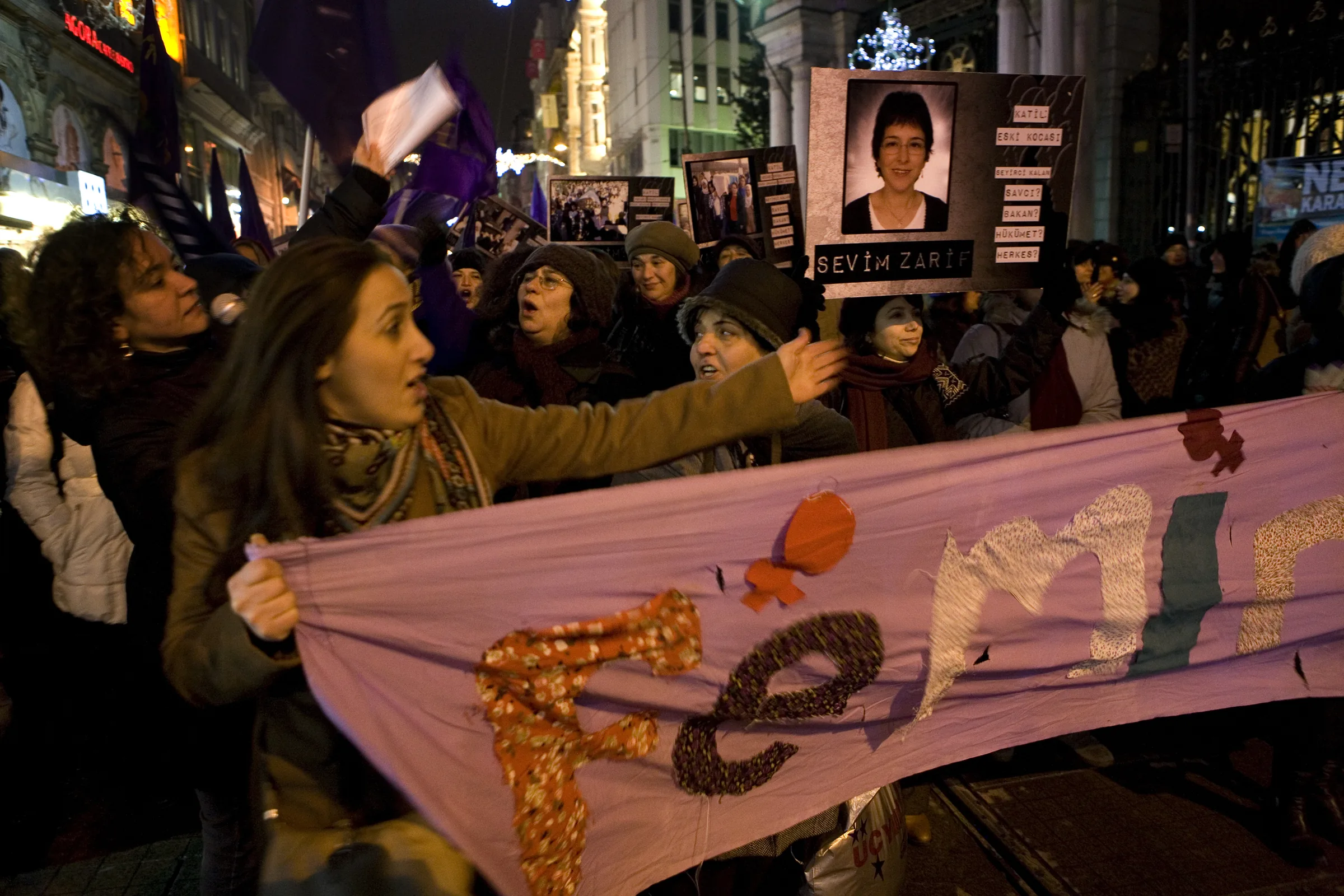
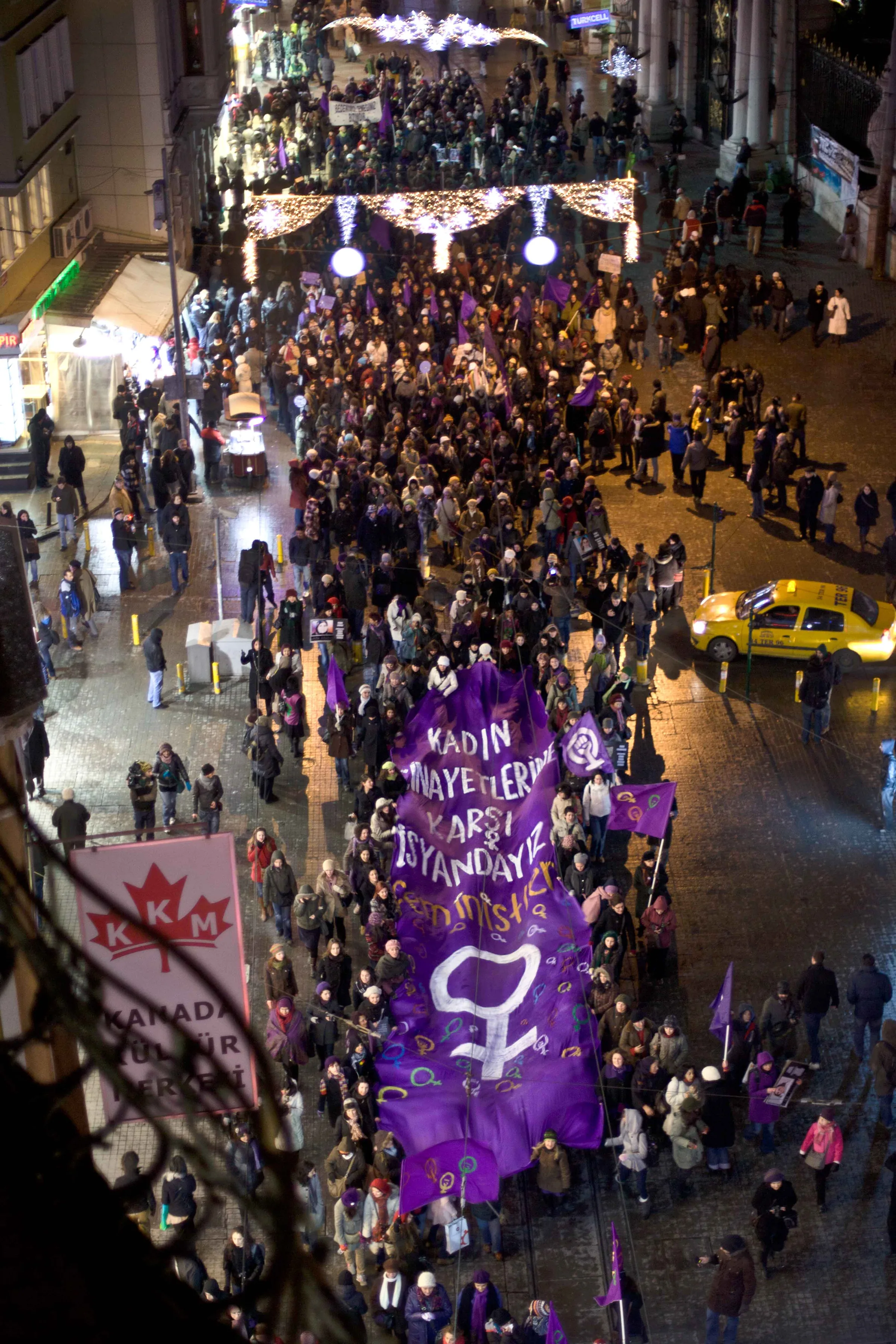
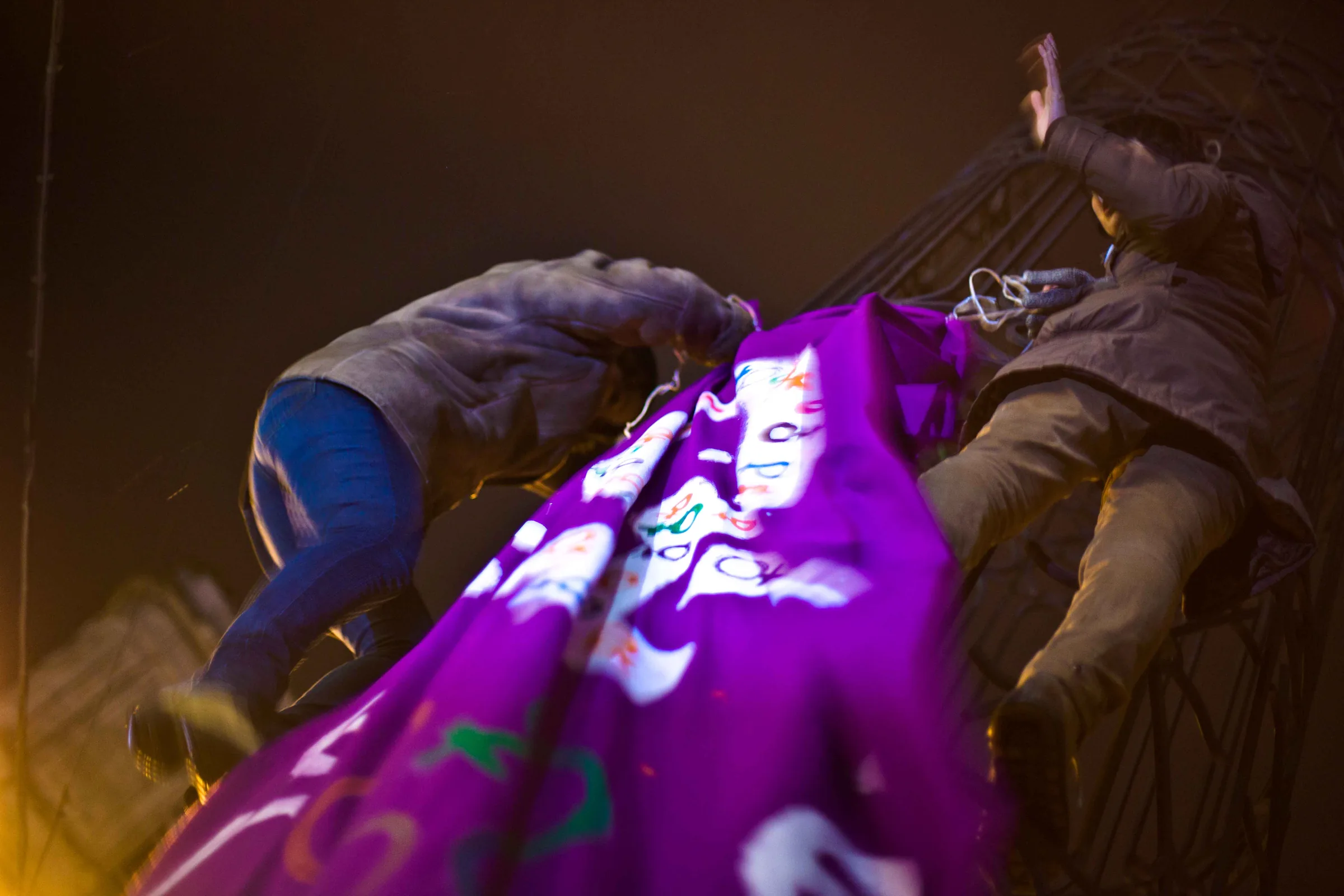
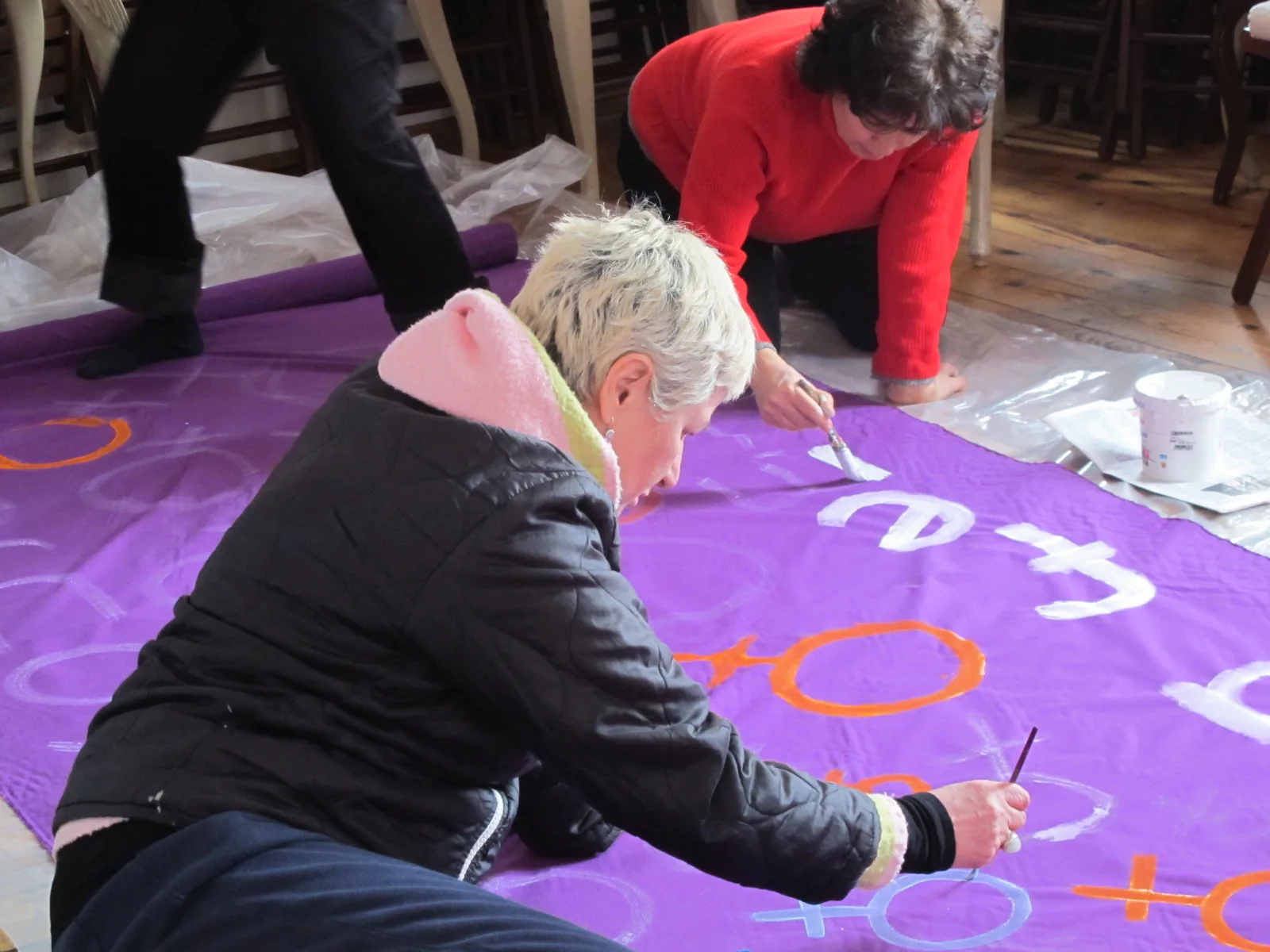
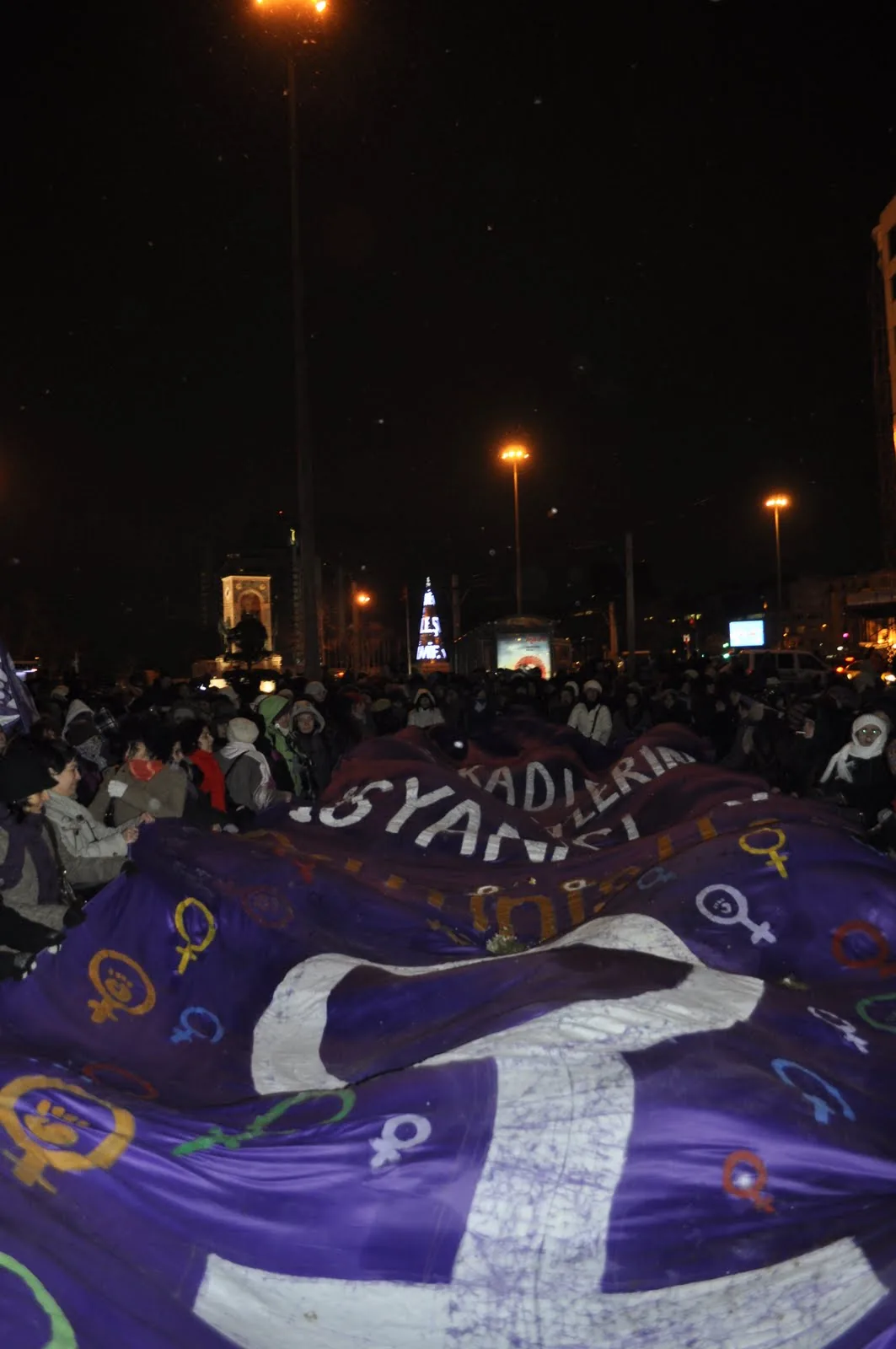
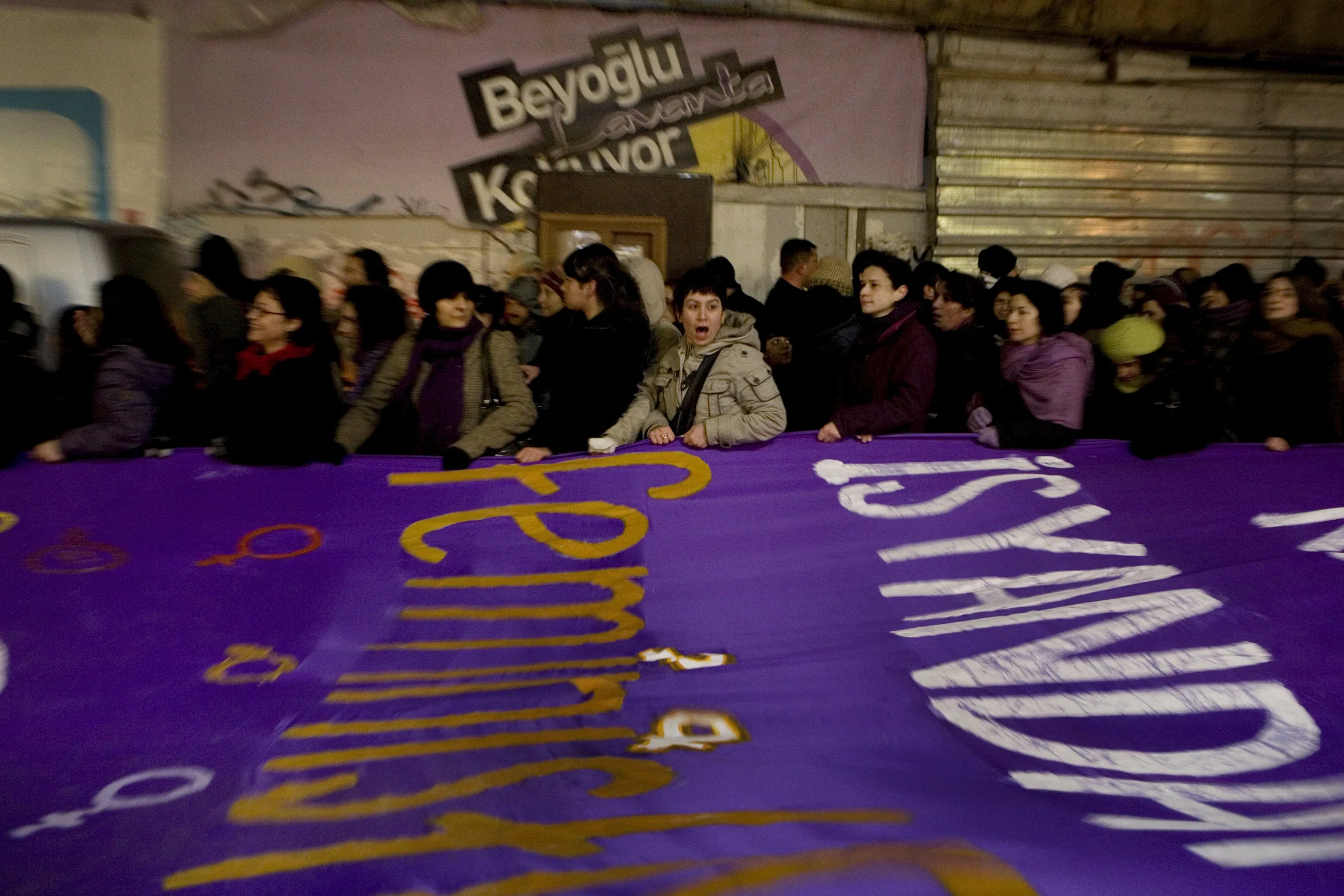
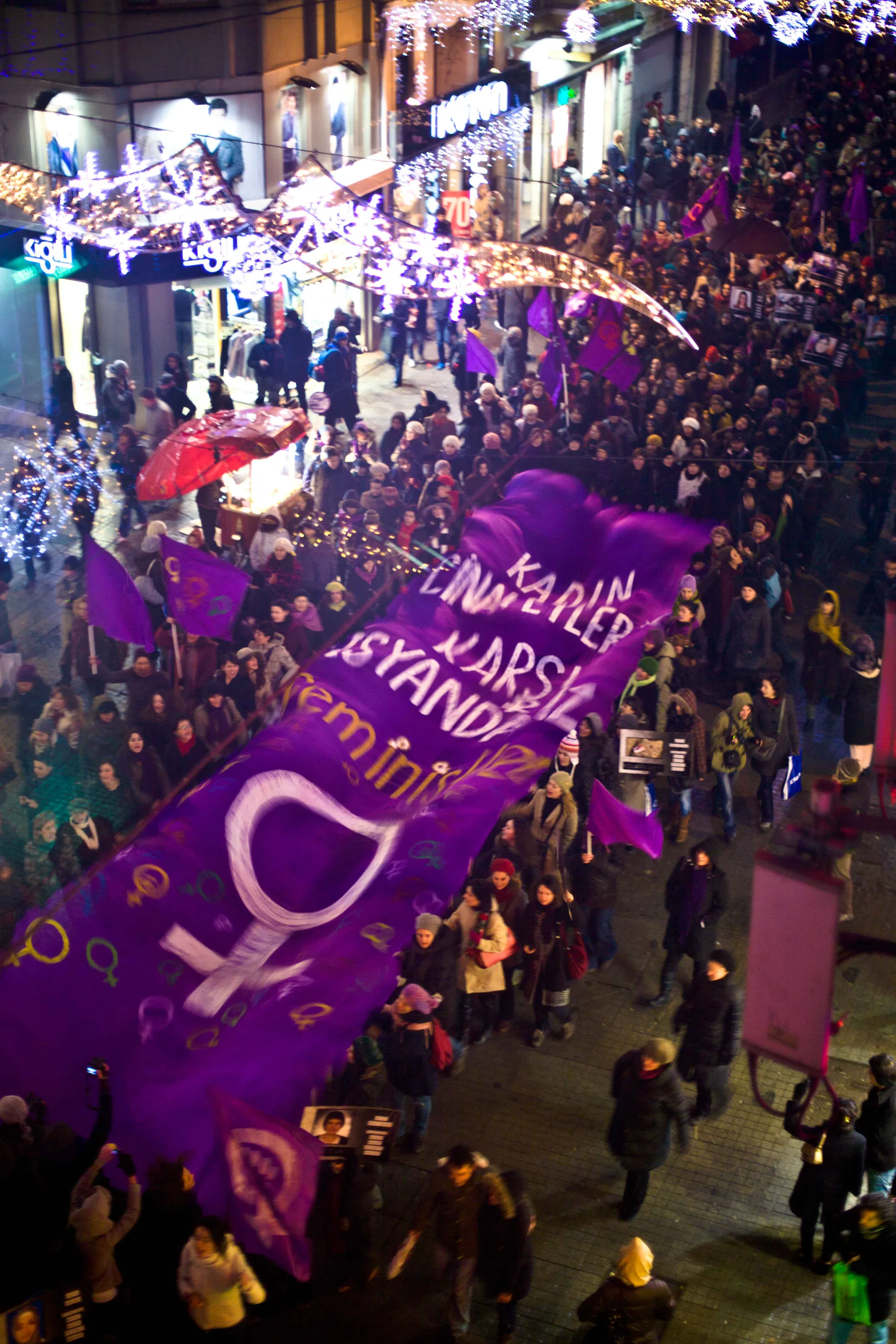
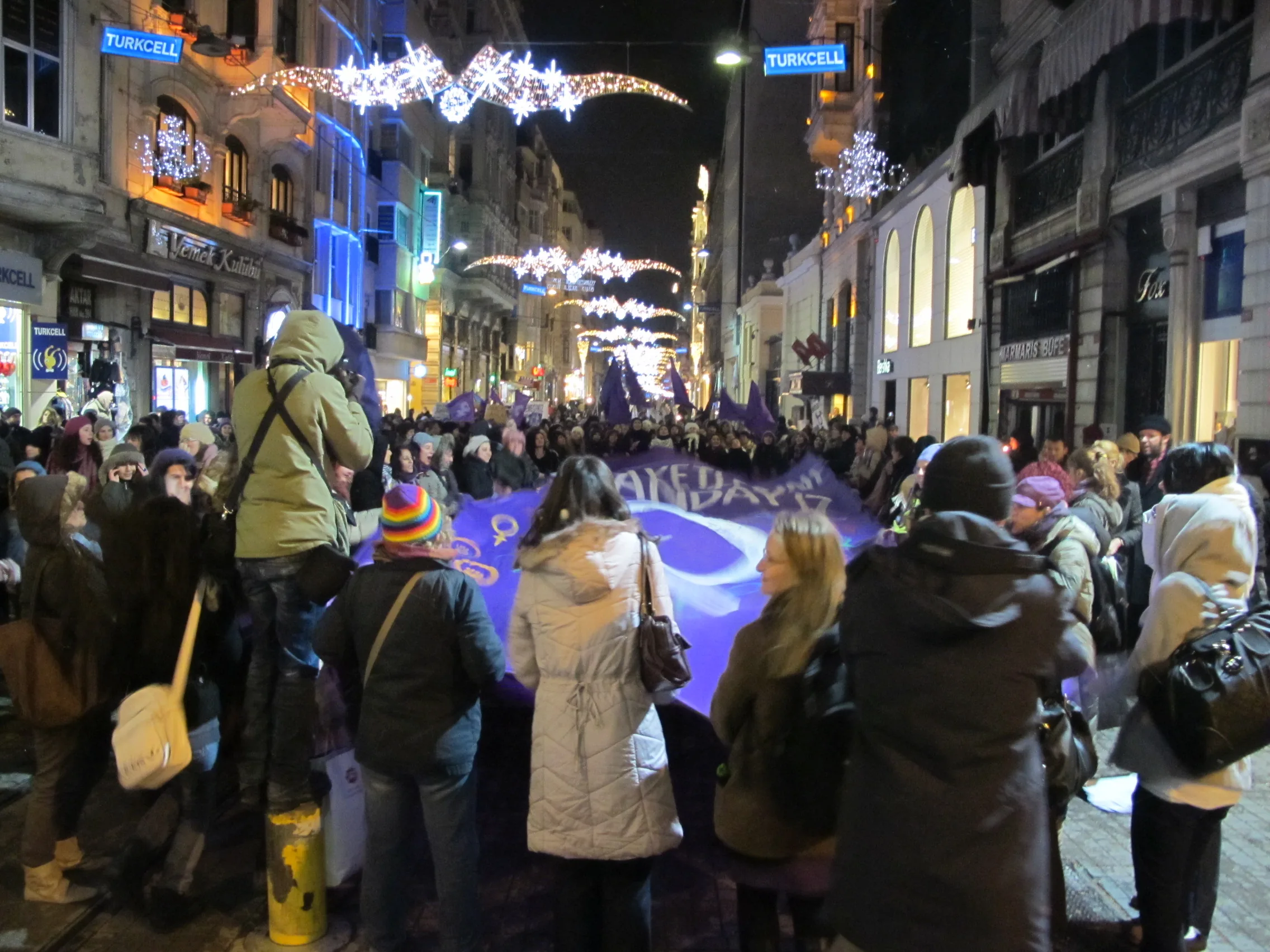
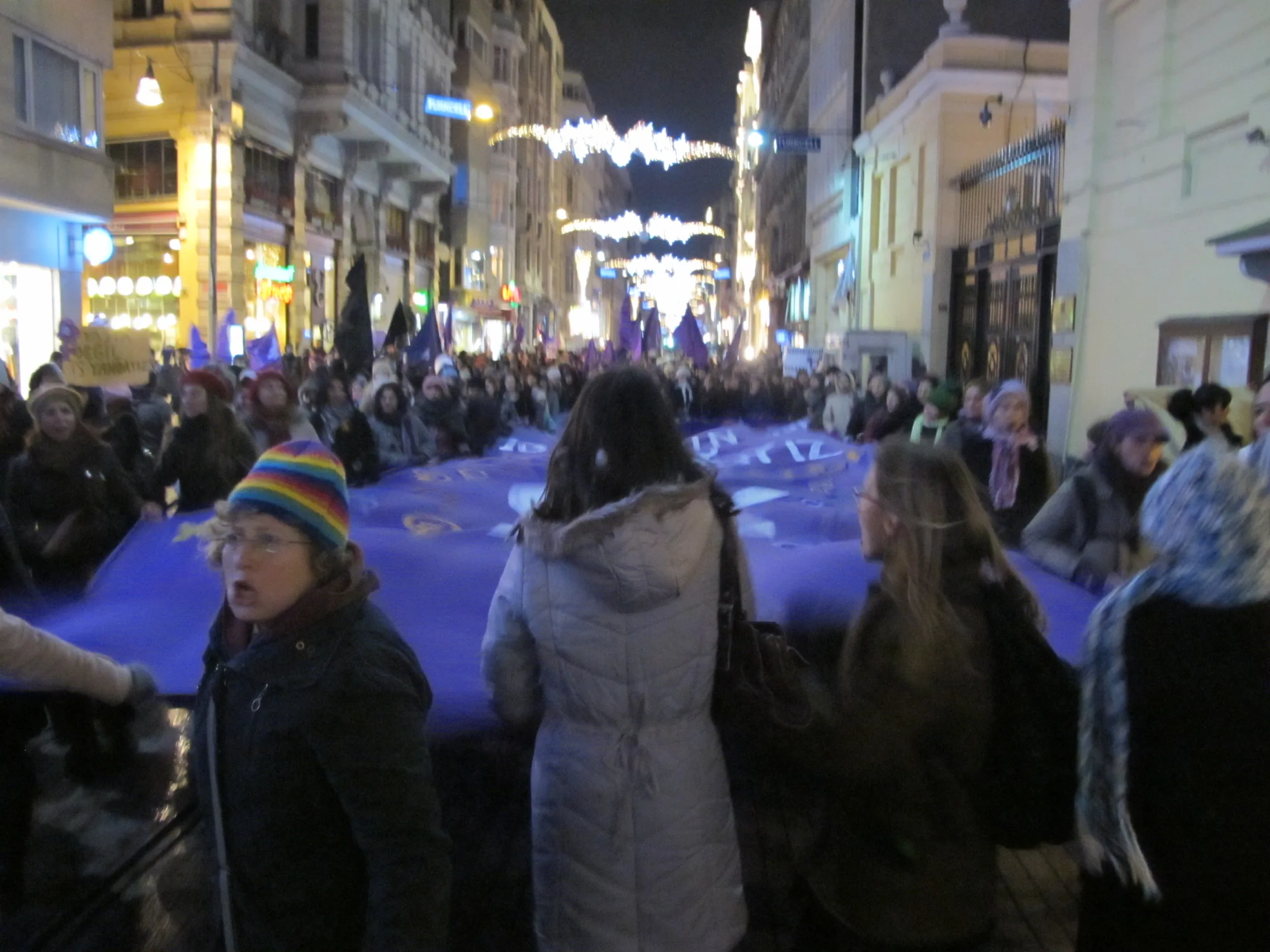
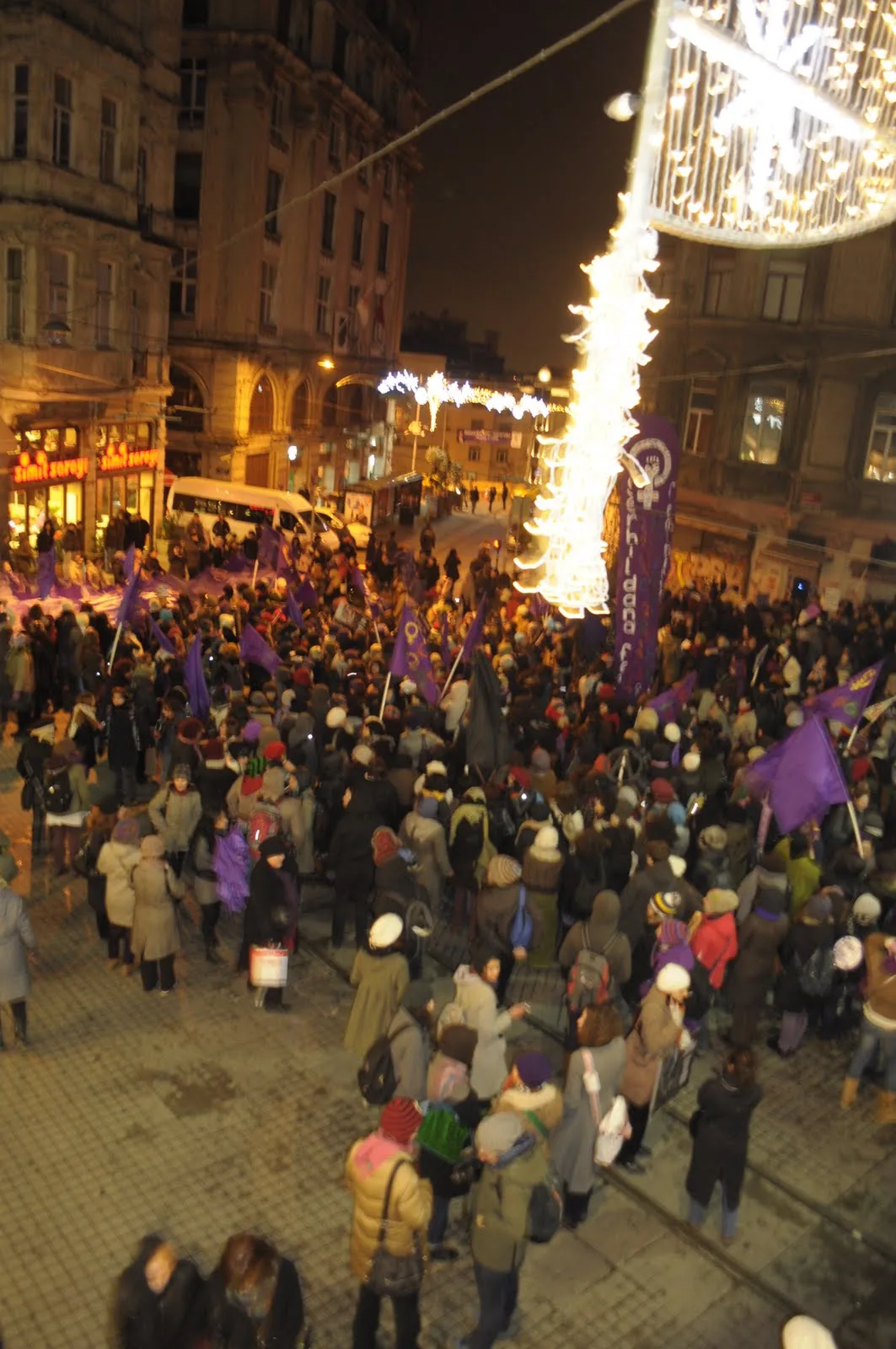
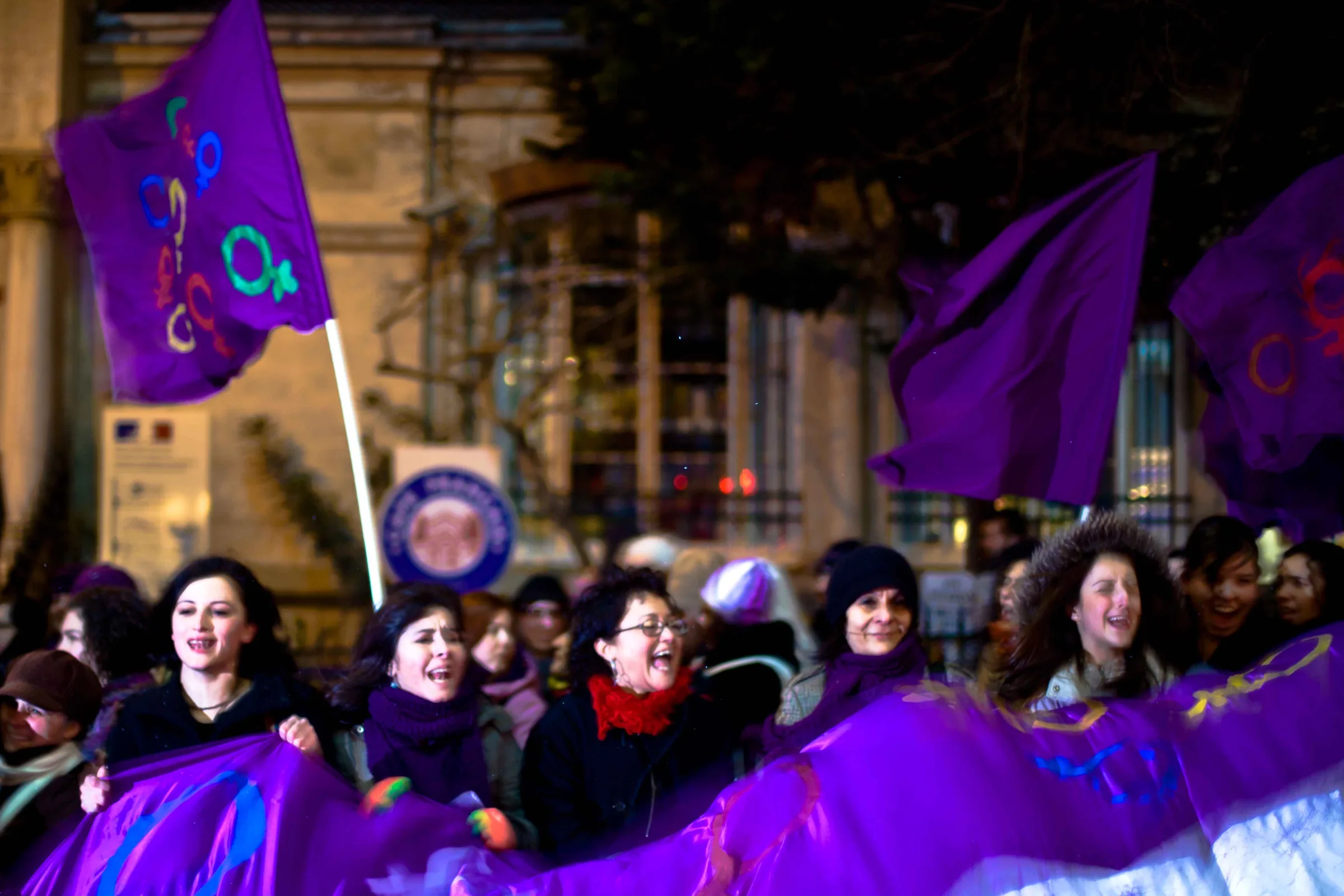
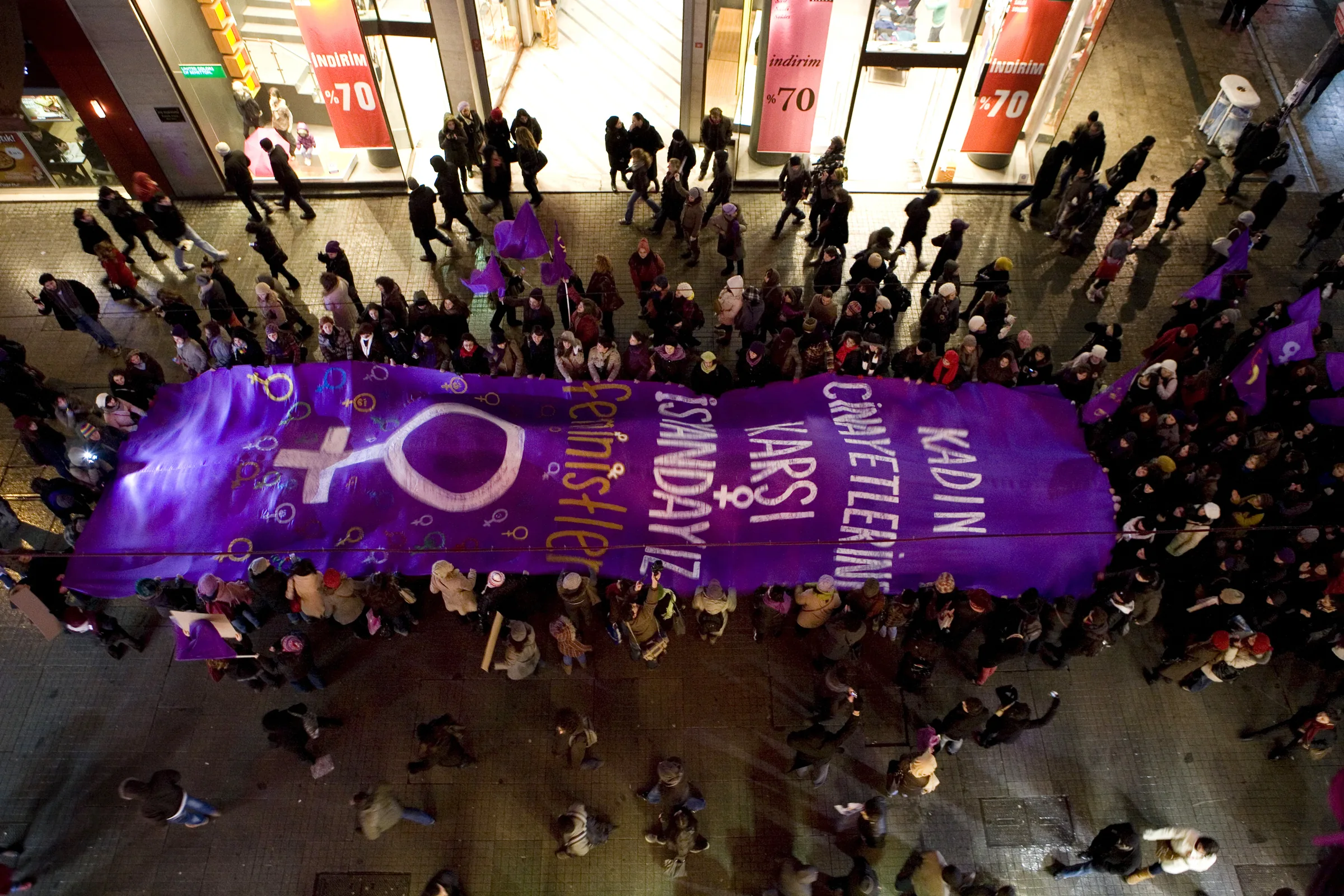
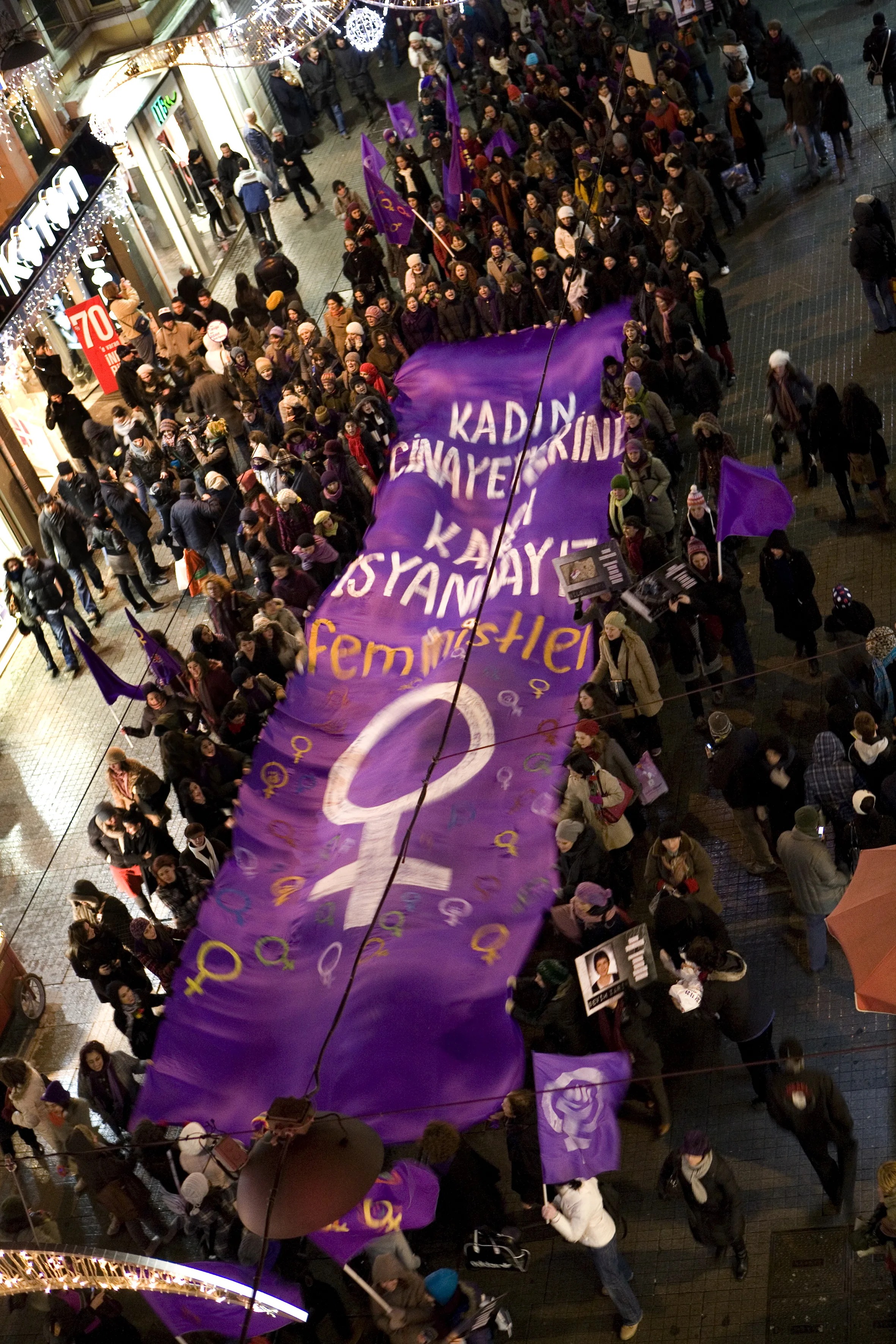
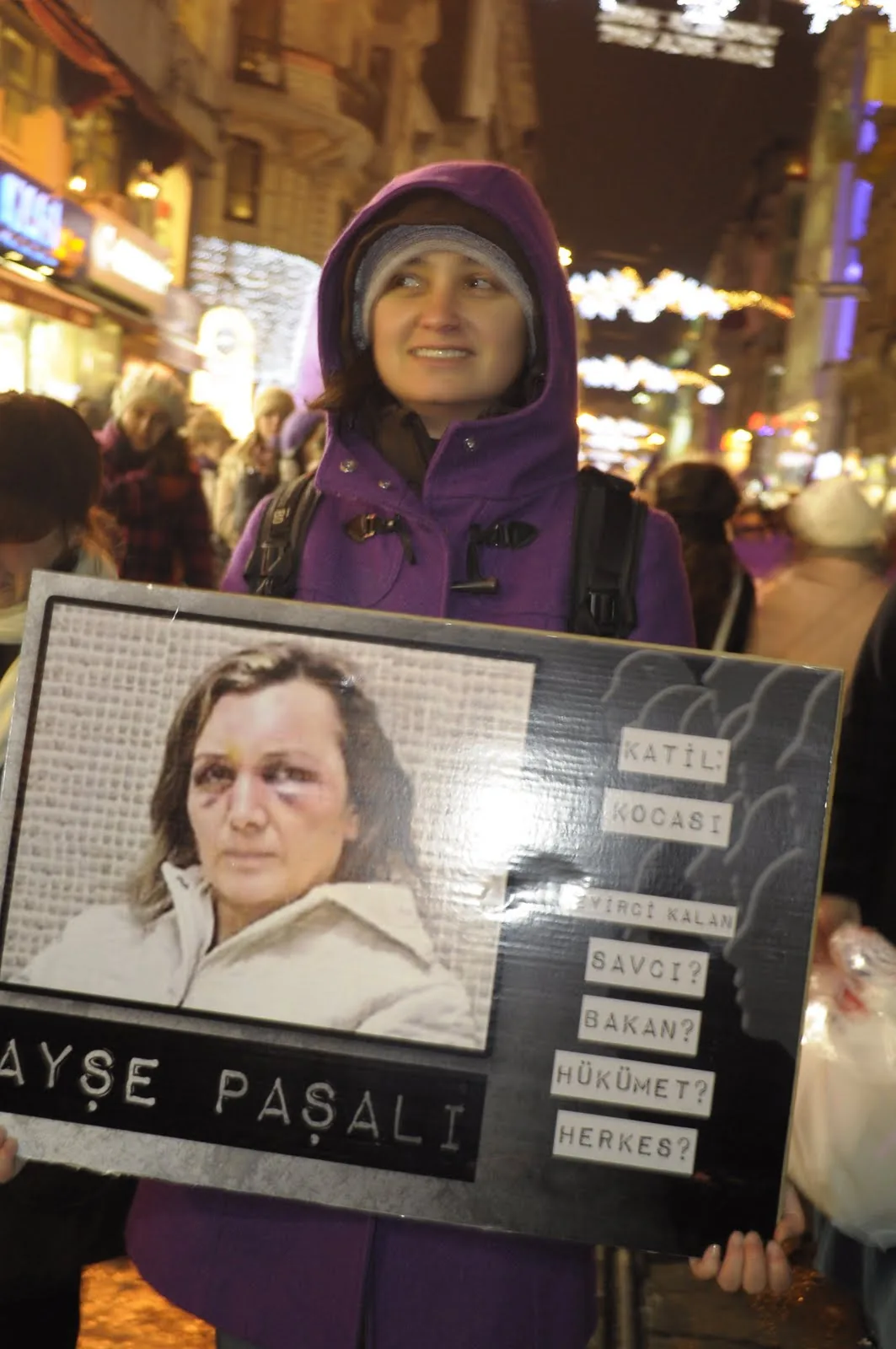
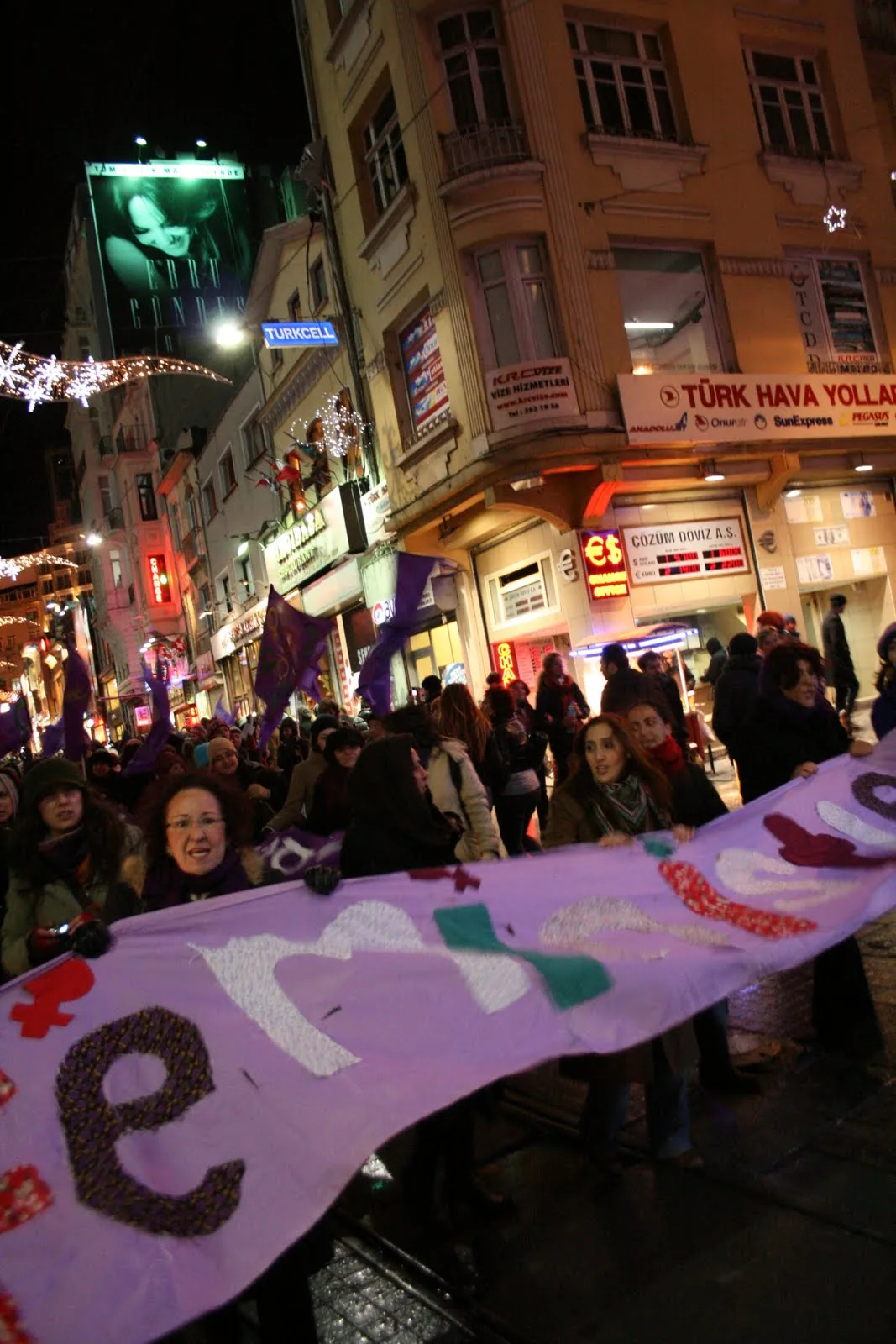
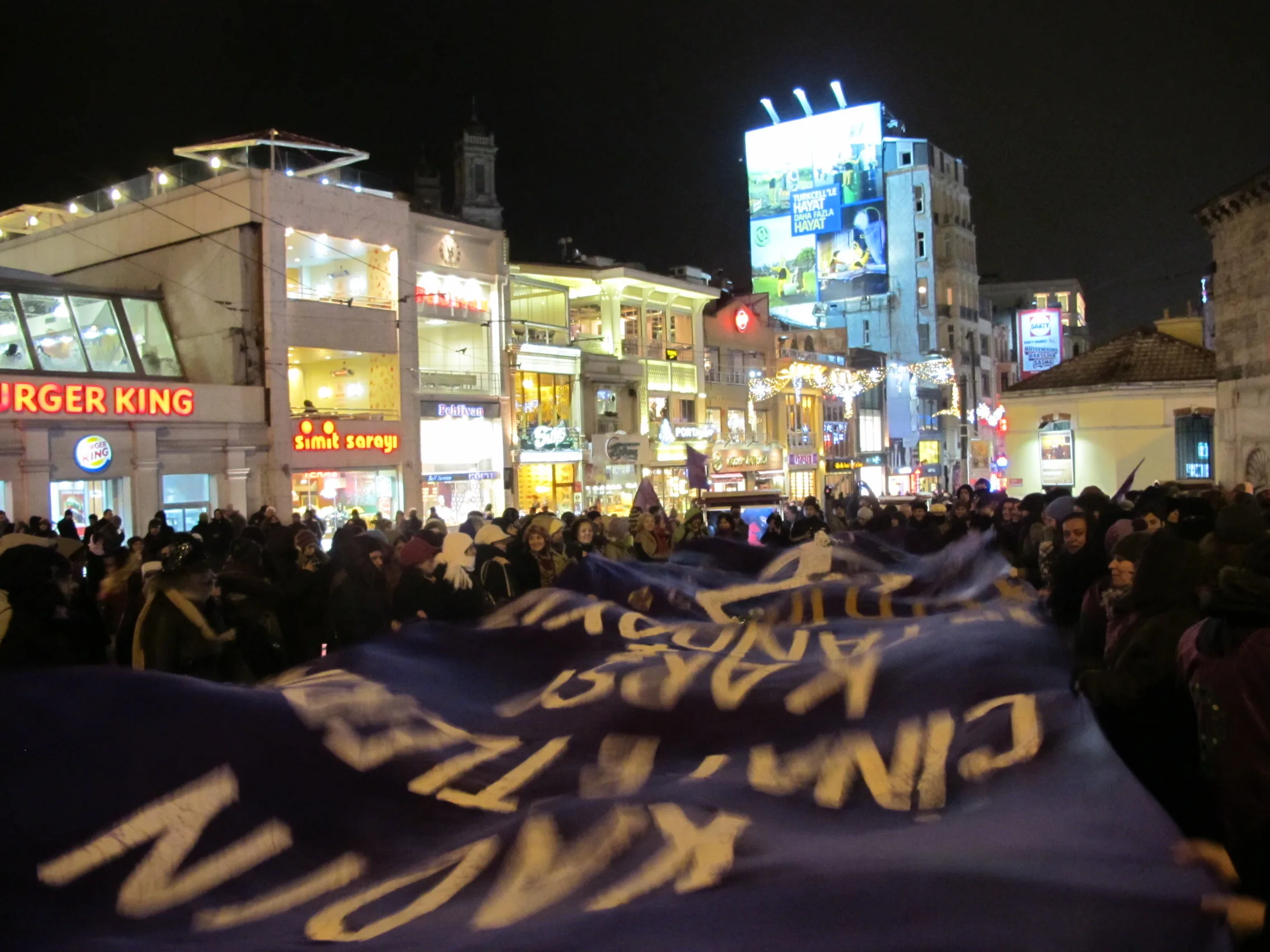
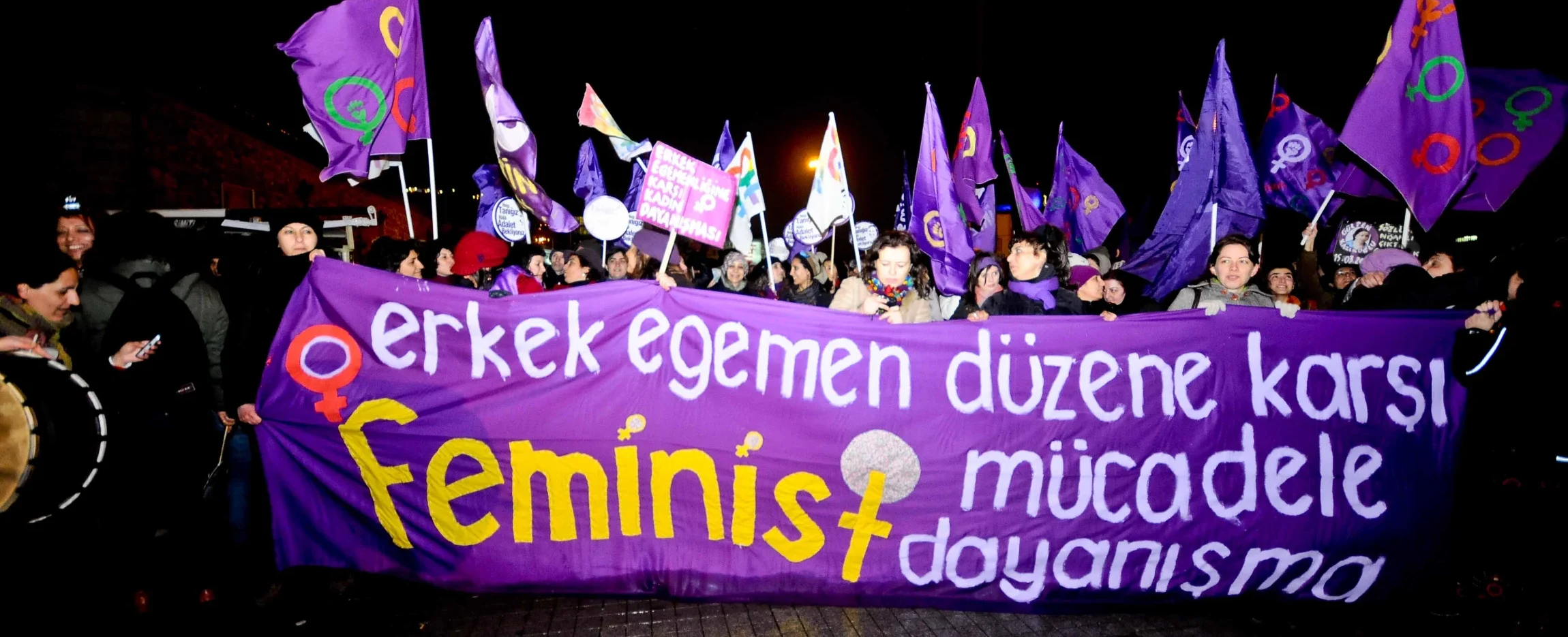
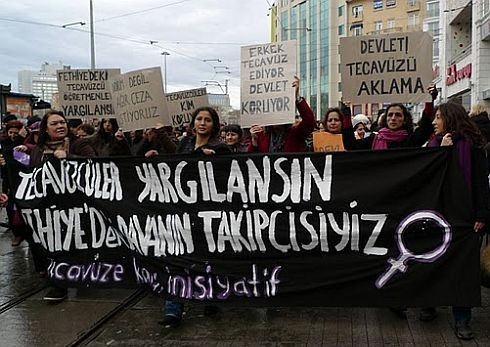
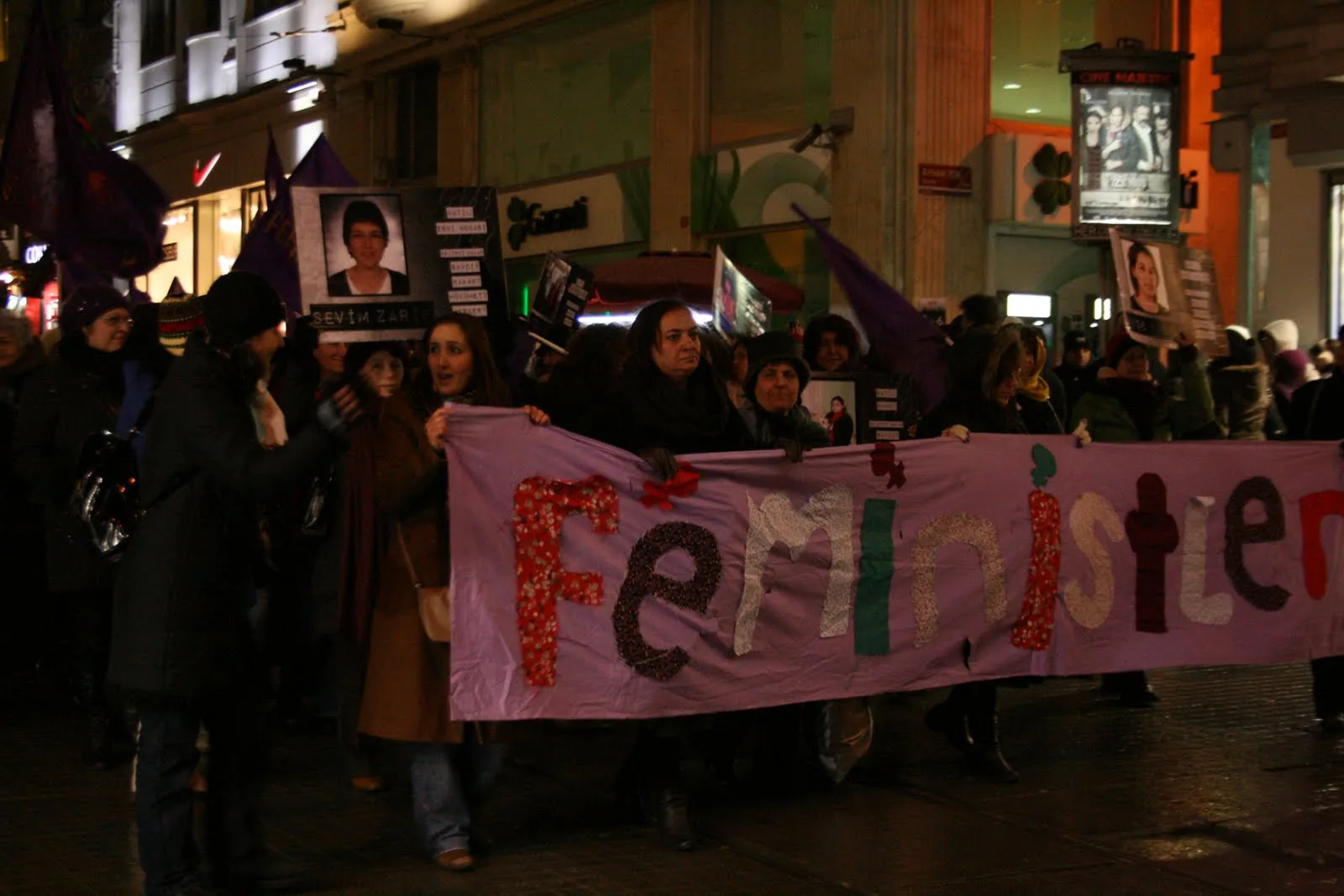
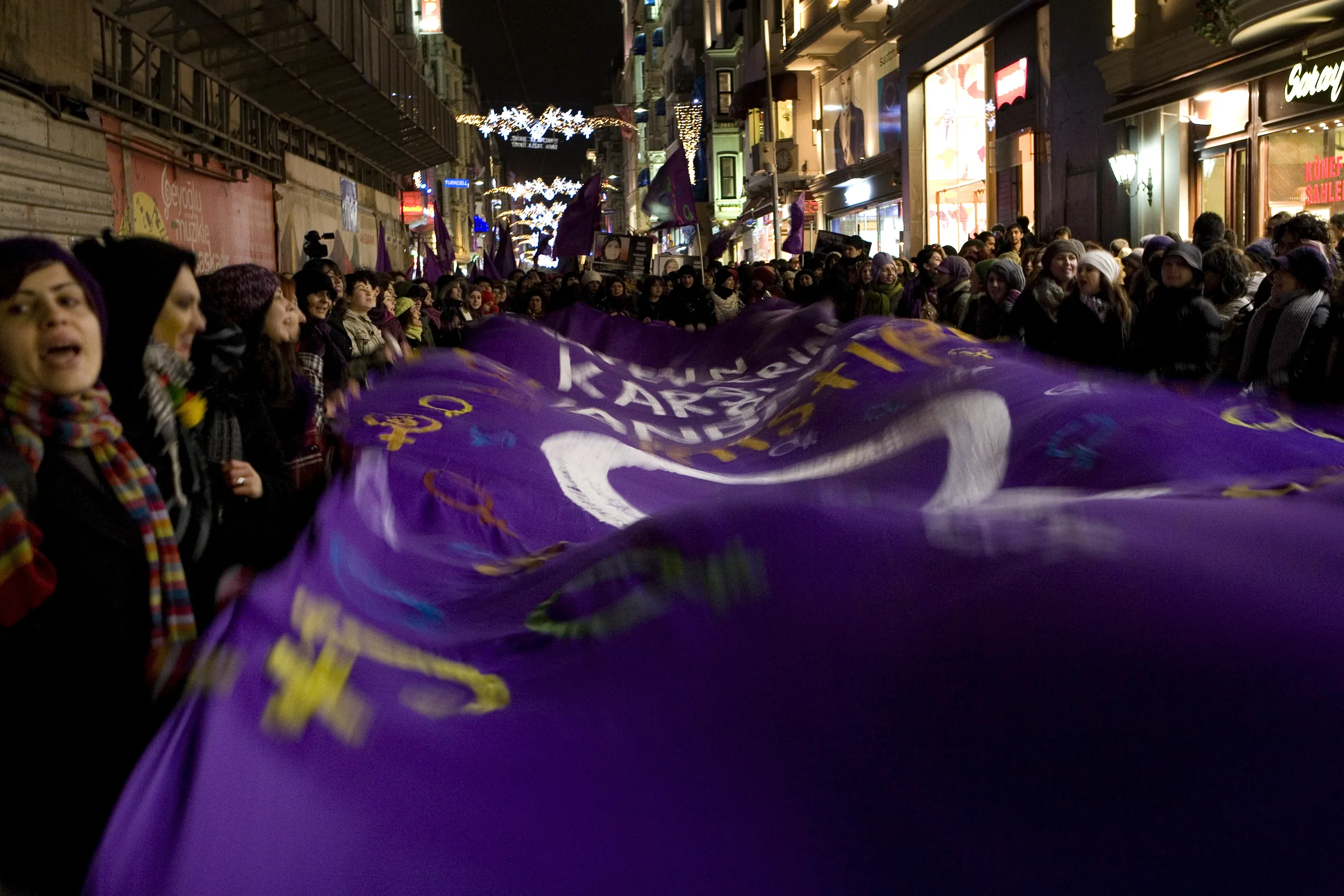
Male violence and femicide were central to the night march. A large ‘We Revolt Against Femicide’ banner, unfurled from the Taksim Hill Hotel, was carried horizontally during the march. Placards from the morning action, bearing photographs of murdered women and the question ‘Who is the killer?’, were also carried. Their use prompted debate because the Feminist Night March was a demonstration that combined revolt with celebration. The press statement also focused on male violence, emphasising the inadequate number of shelters and mechanisms to combat violence. It also addressed the harassment at KESK.

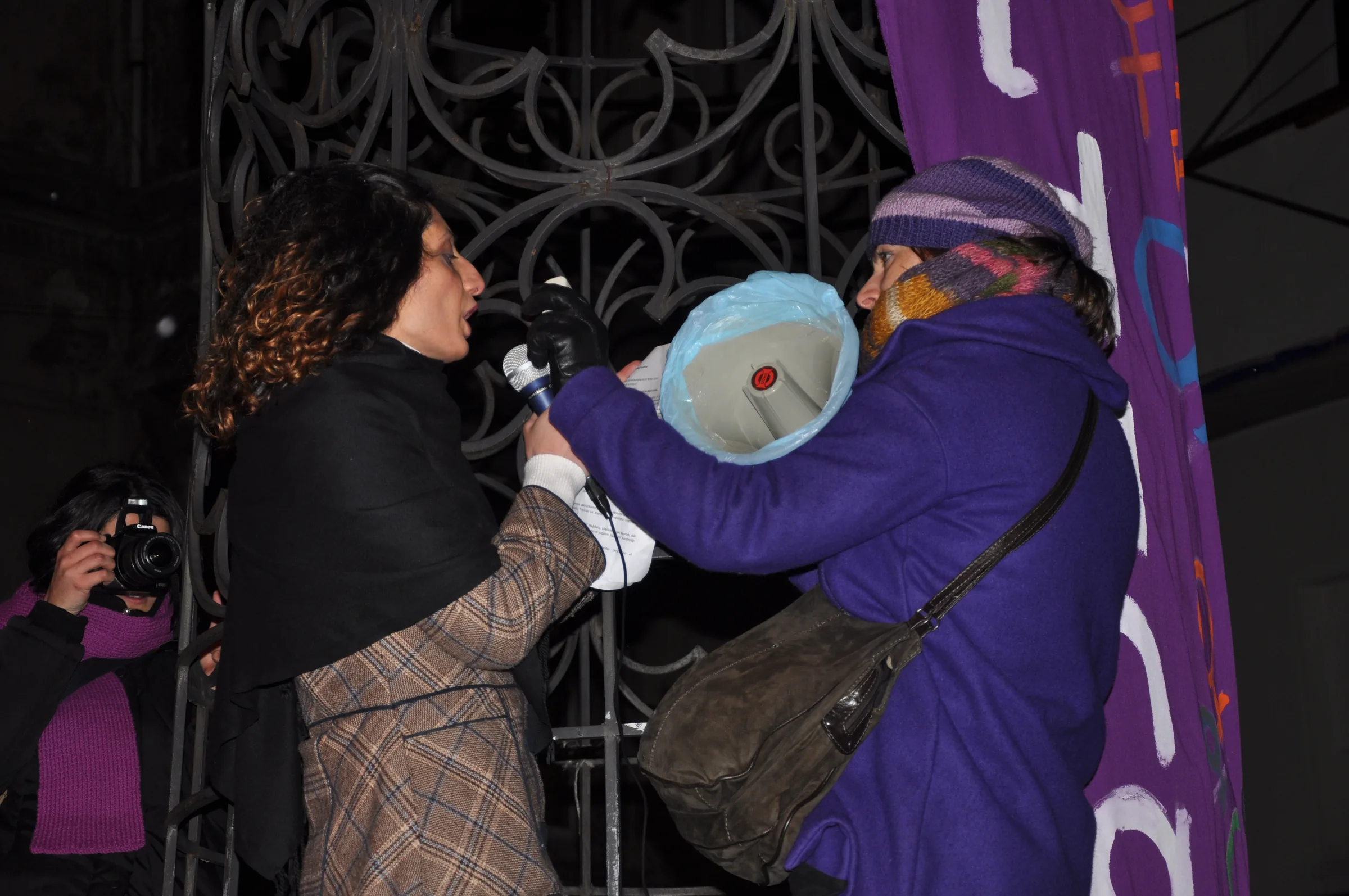
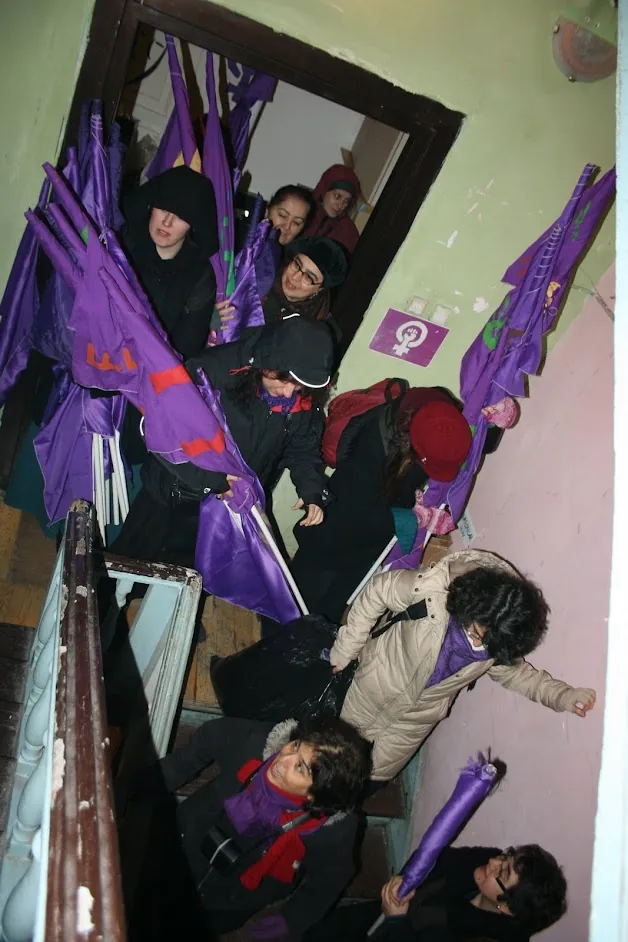
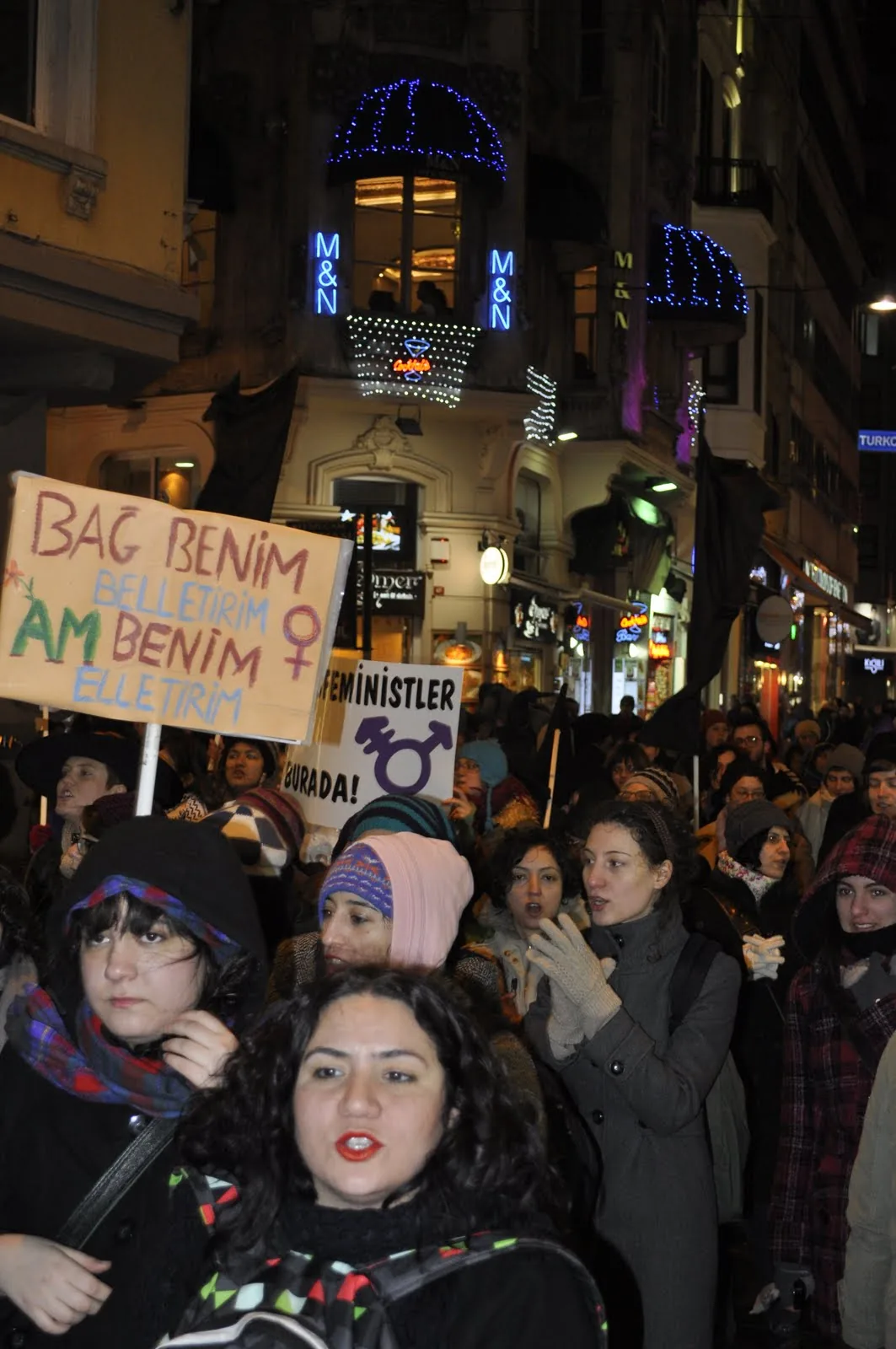
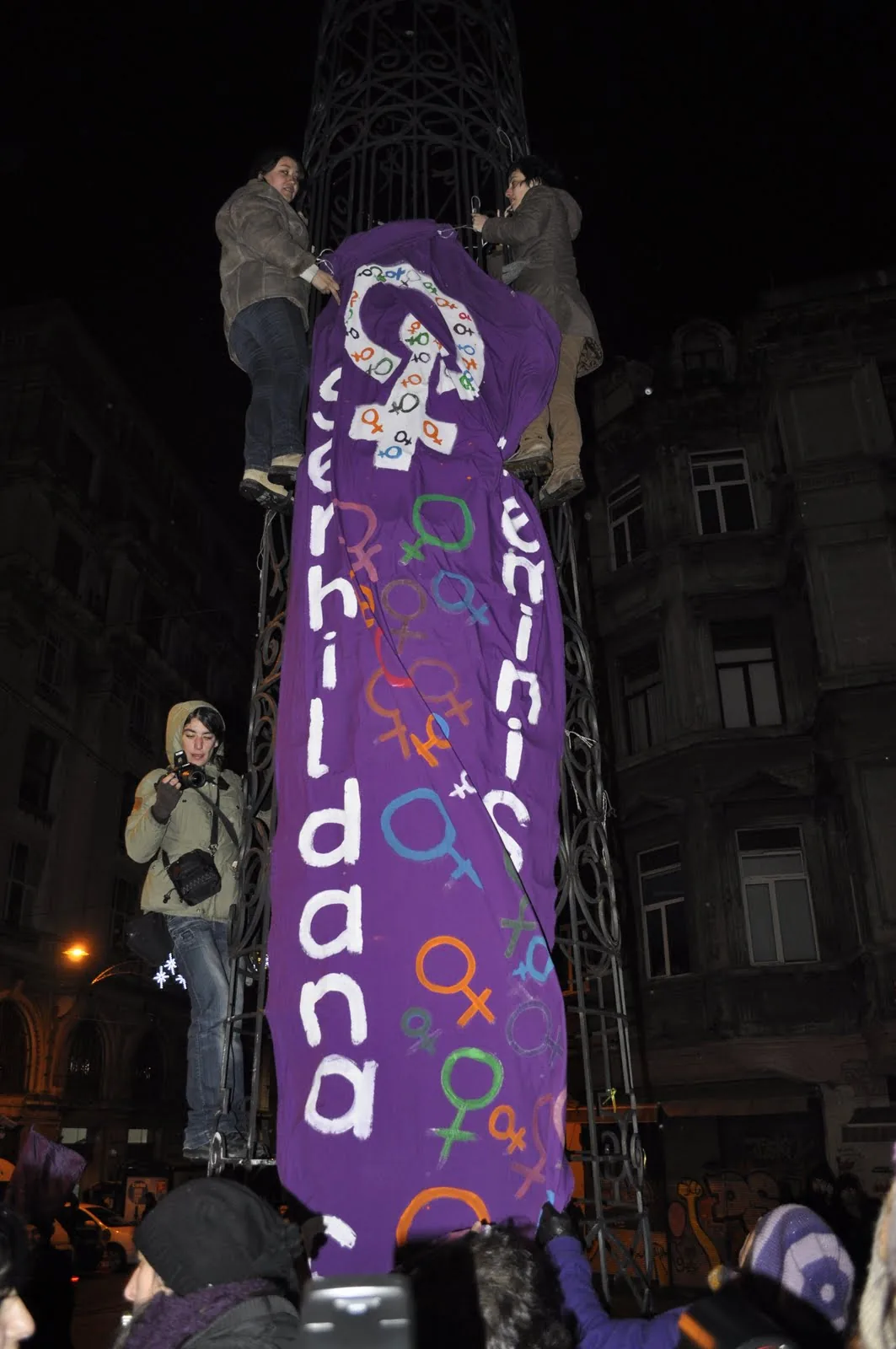
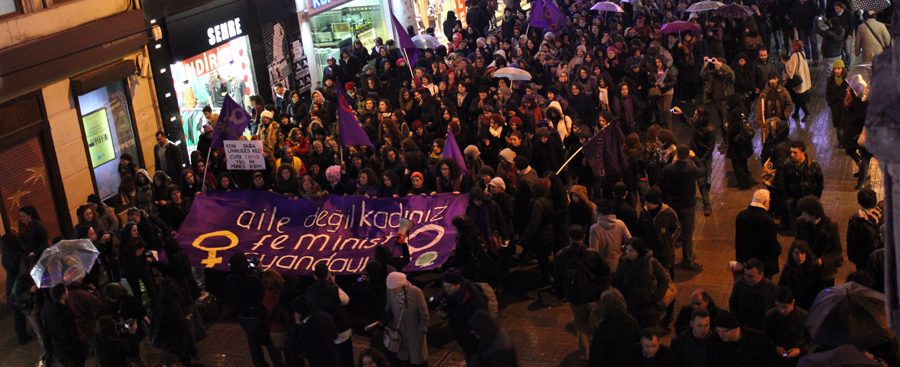
The previous year, a group of feminists had continued to Tünel Square after the demonstration. This year the official route was extended to Tünel for the first time. The horizontal Turkish-Kurdish banner ‘Feminist revolt / serhildana feminist’ was hung on the monument in Tünel. As in the previous year, around a thousand people attended. Although the demonstration was organised without representation by organisations and announced as closed to men, anarchists arrived with their own flags and symbols. A group of men followed behind the march.

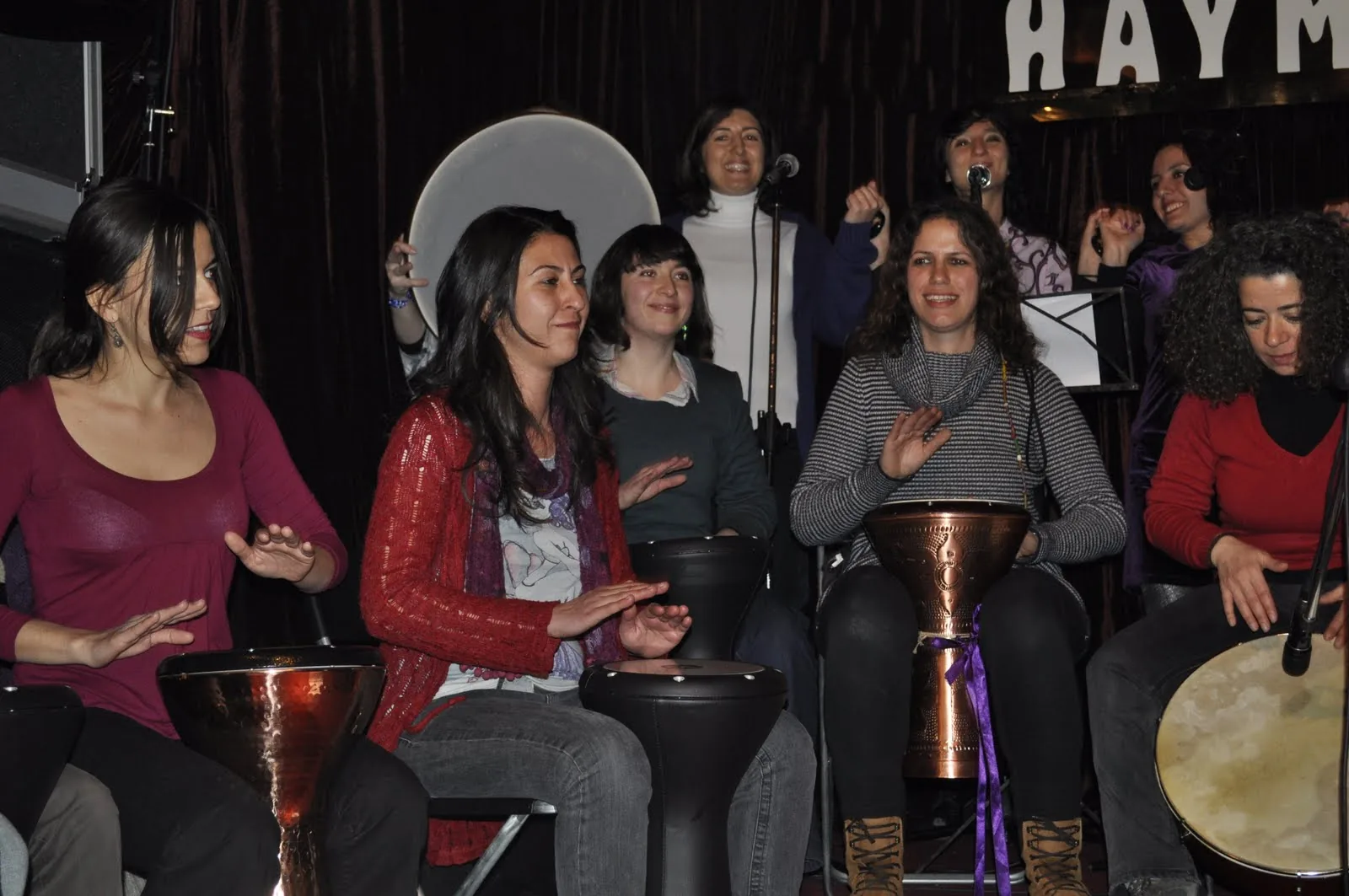
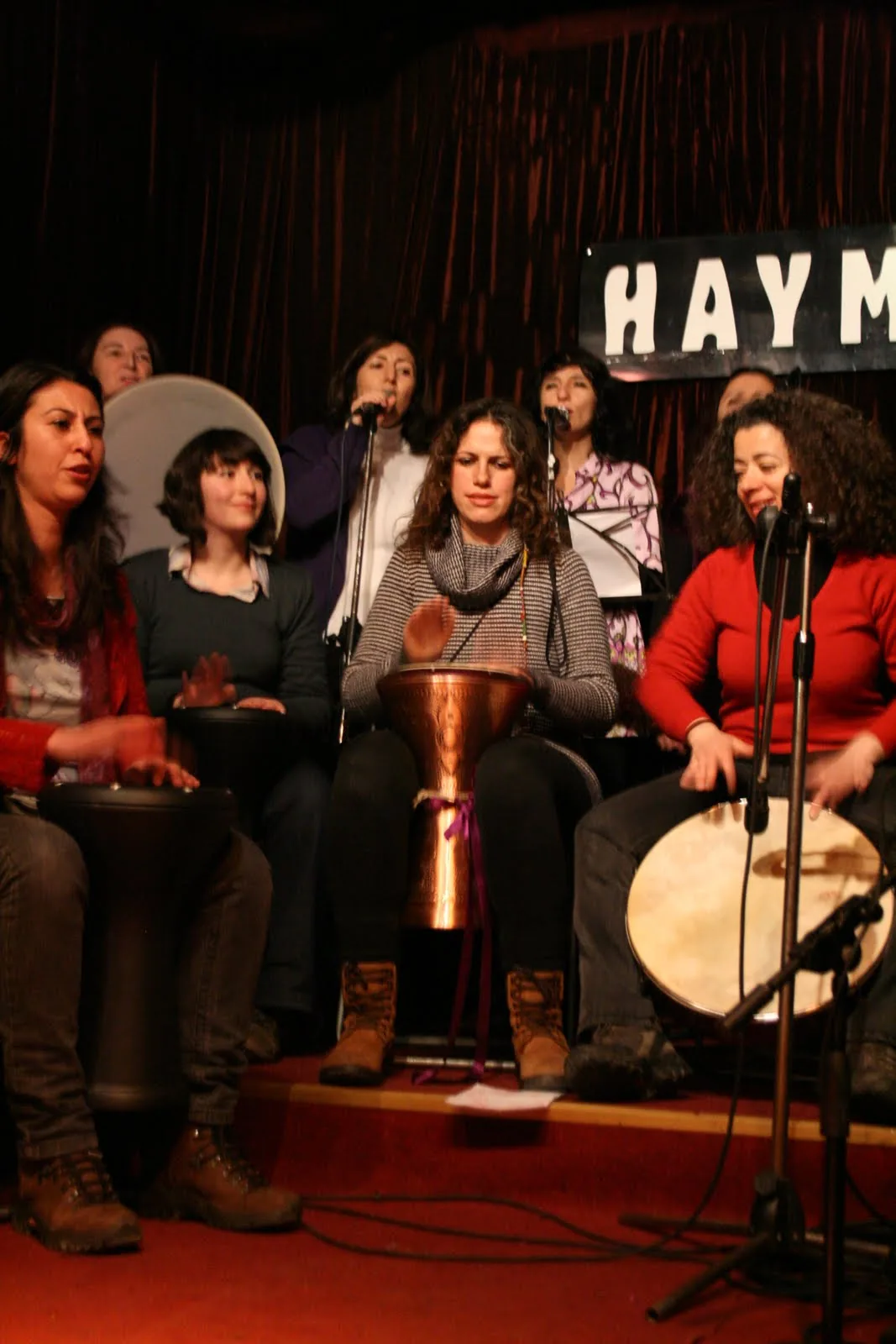
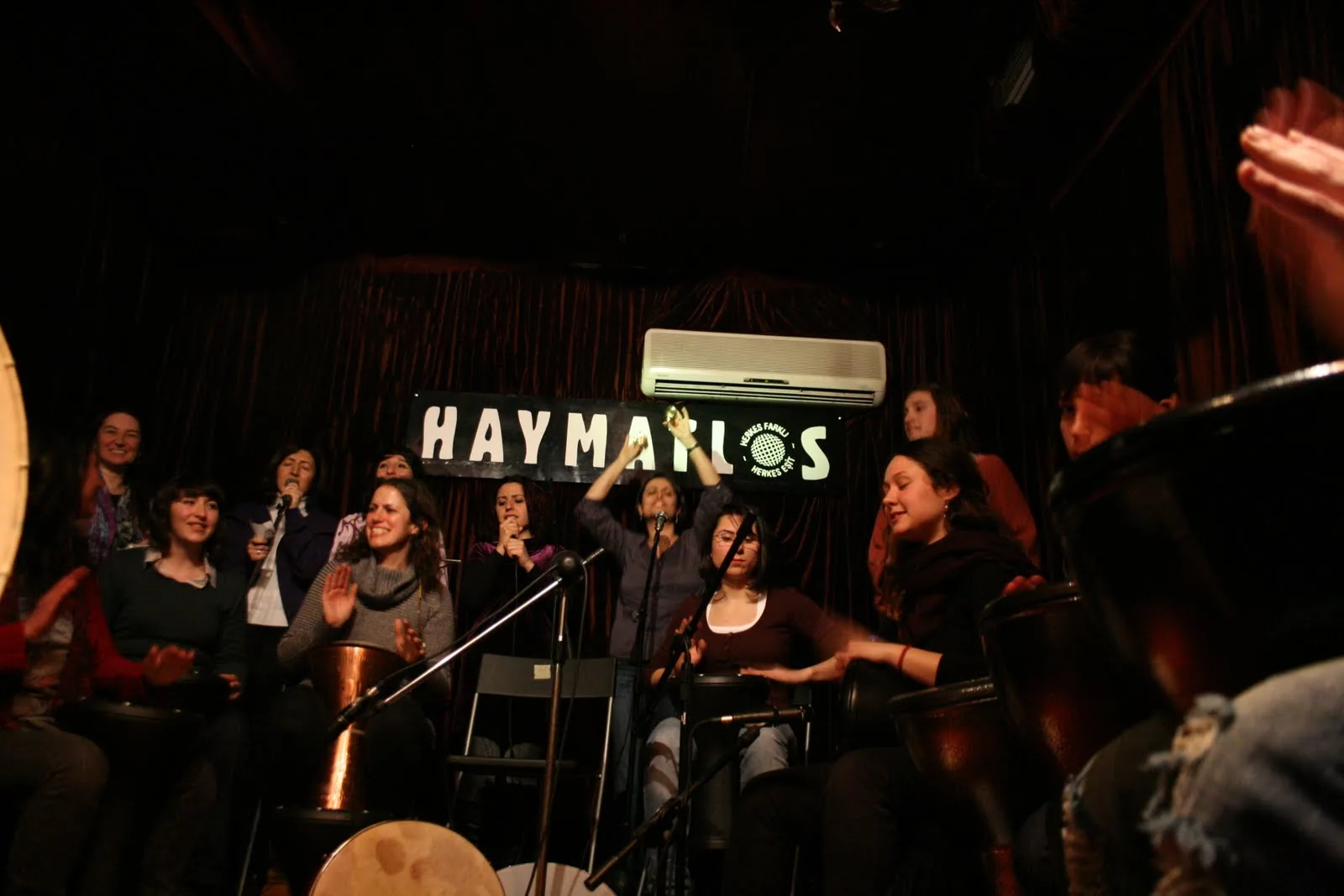
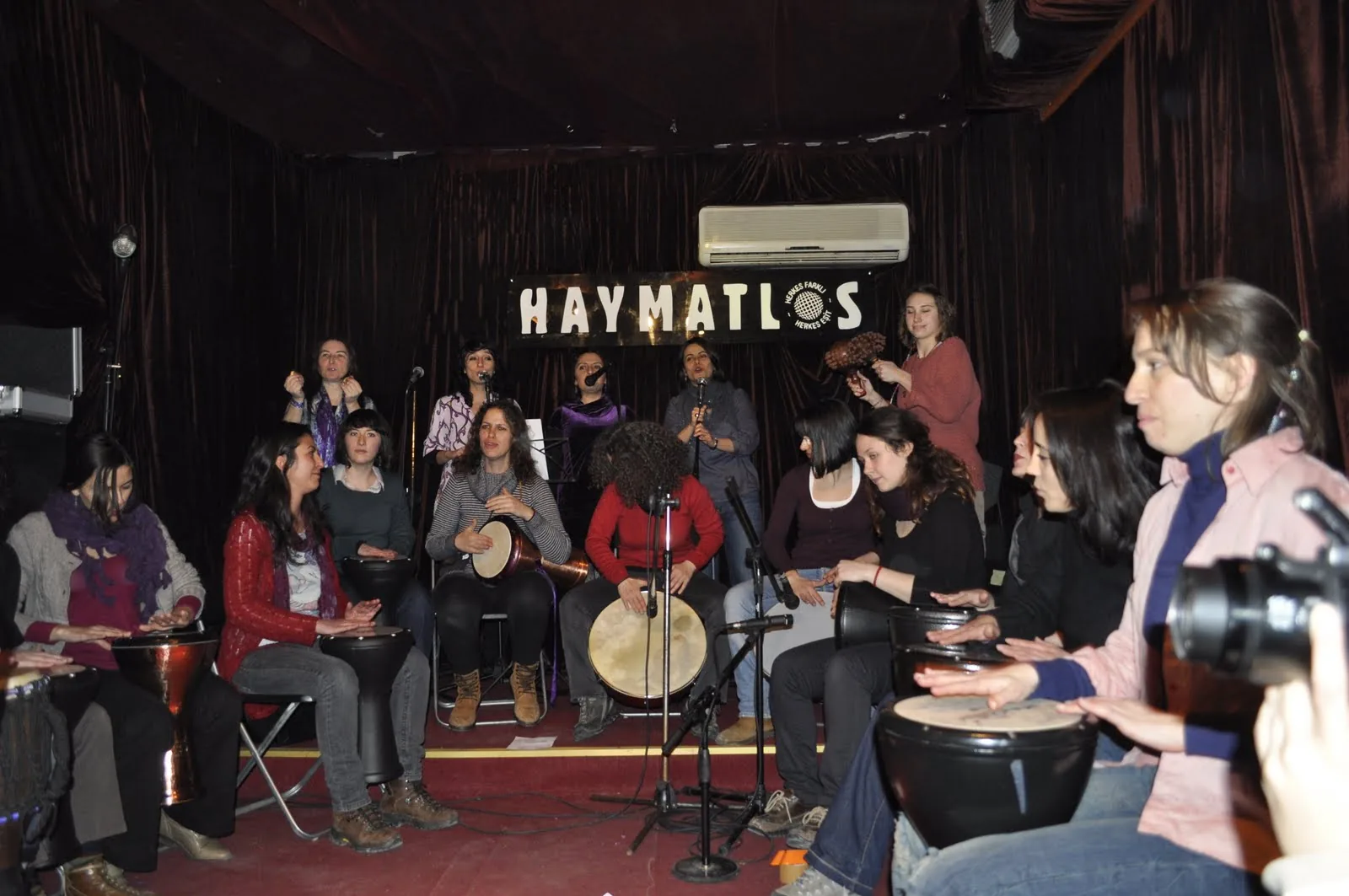
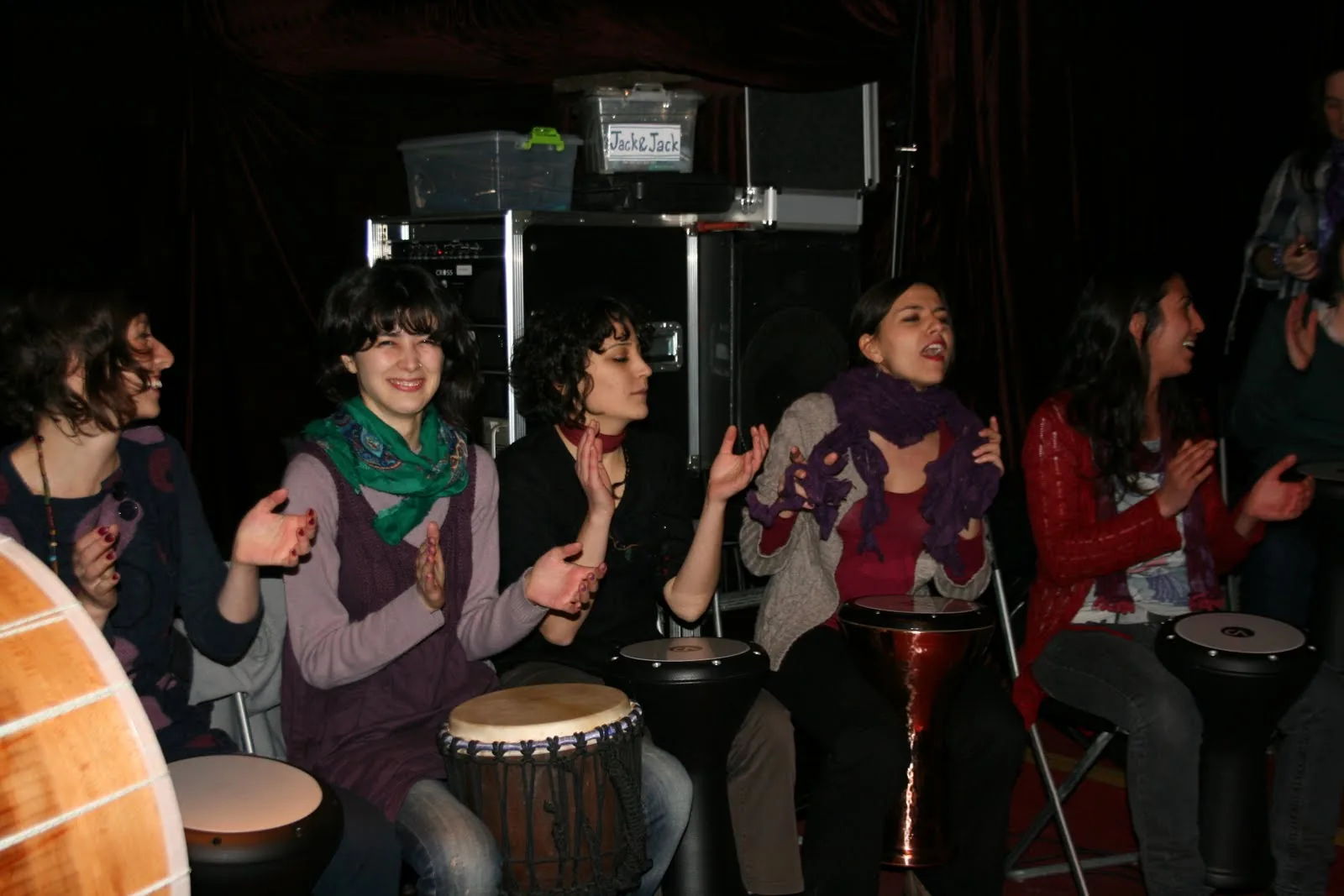
Afterwards, İFK held a party at Haymatlos, while another took place in Tünel Square as in the previous year. Ritim Kolektif performed at Haymatlos for the first time. The party, announced through an open invitation for the first time, was very crowded. After the Tünel party dispersed past midnight, its participants also came to Haymatlos.

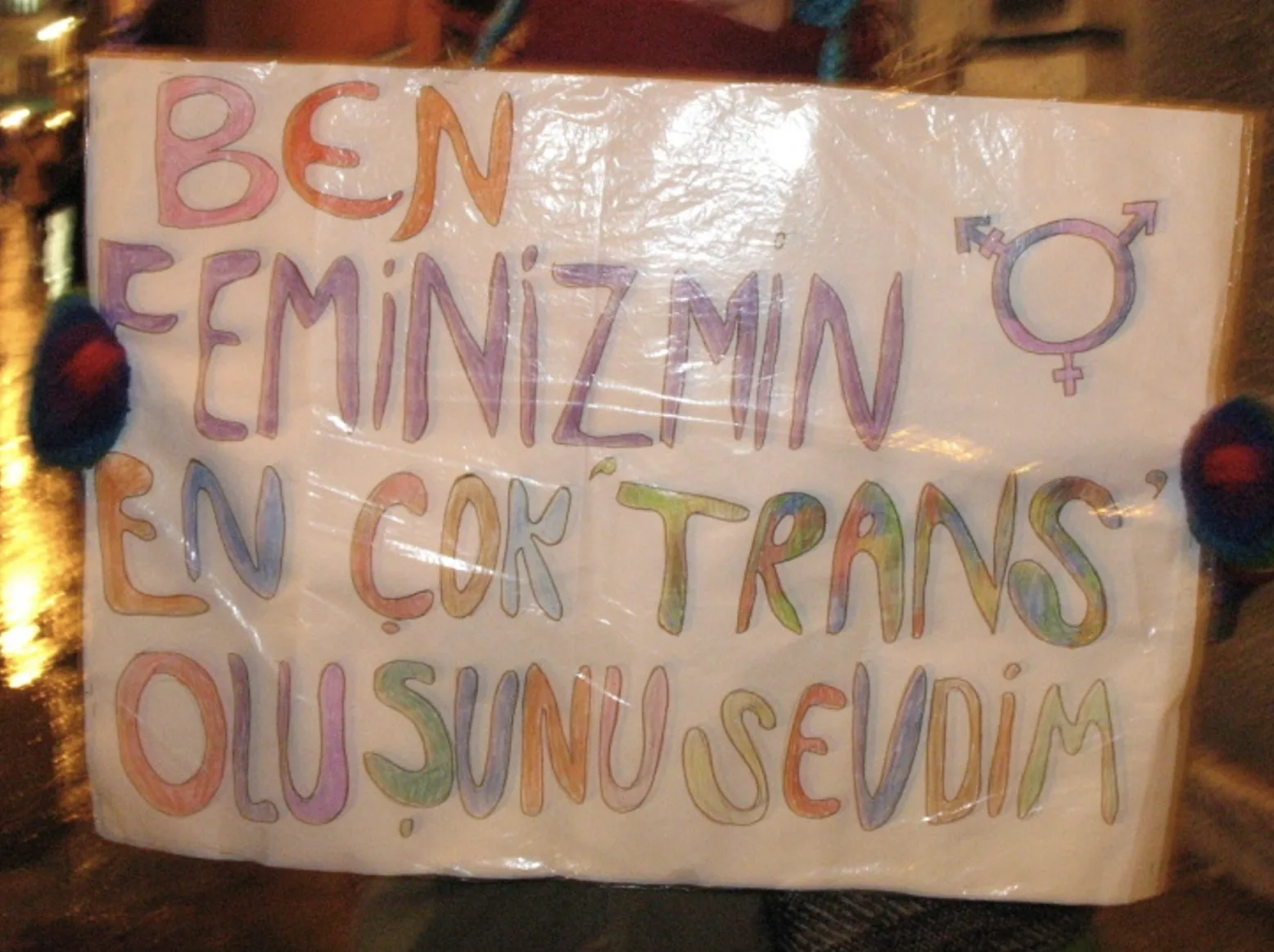
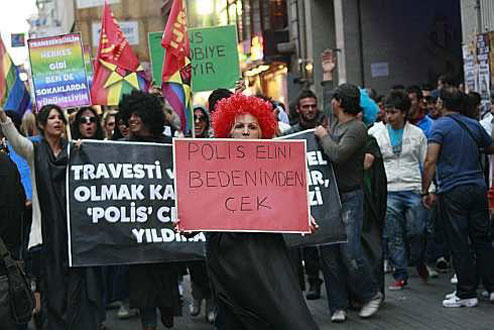
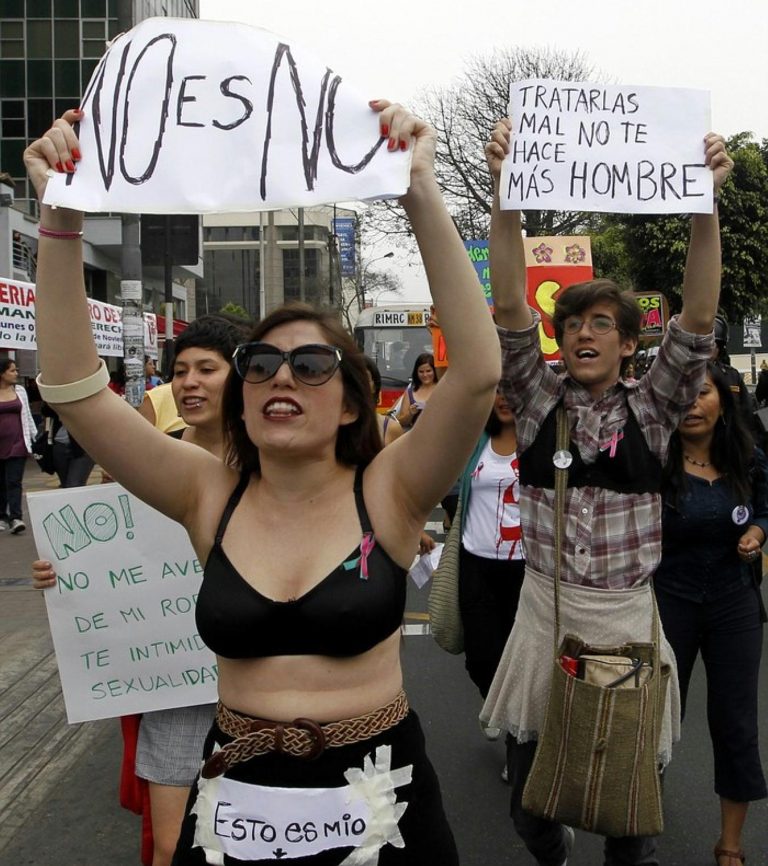
Placards carried by a group from İllet, Feministival and Lambda, including ‘It’s my cunt, I decide who touches it’, ‘Transfeminism is here’ and ‘I like my feminism trans’, sparked a debate during the march that continued and developed afterwards. Some feminists intervened against the placards on the street, and the debate continued on the feminist mailing list. Two meetings after March 8 decided to publish a statement explaining that both the intervention and the way it was made had been wrong. Despite subsequent efforts, the statement was never finalised and remained a draft. One debate concerned whether the Feminist Night March should raise a strong, collective feminist voice rather than foreground different feminisms, such as socialist, radical or trans feminism, and whether this position excluded trans people. Another criticism concerned the way bodies, sexuality and LGBTI politics were overshadowed by the focus on male violence. Finally, participants stressed the need for marches, political language, parties and discussion spaces to be created by different feminisms and movements coming together, talking and organising jointly. They also criticised the lack of contact between the feminist and LGBTI movements and those at their intersections. One question was how, in practice during the demonstration, to uphold the exclusion of non-trans men.

Podcast

All yearly summaries

2011

Call to Action

2011: Invitation to the Press for the Daytime Demonstration and Night March Any of Us Could Be Killed! Women are being killed by the men closest to them What are you waiting for to stop the massacres? The number of femicides, recorded as 66 in 2002, continues to increase every year. More than 5,000 women have been murdered in the last five years. We want a divorce, we are killed. We go out into the street, we are killed. We can also be killed for not passing the salt or not having a meal ready on time. The killers are in our households. The men closest to us! We demand urgent measures from the Grand National Assembly of Turkey, the government and the judicial authorities so that we are not killed. Today we are outside the courthouse. Because some women find the strength to complain about the men who will kill them and file criminal complaints with prosecutors. Yet despite this, they are not protected and their killings are not prevented. Courts trying women's killers can accept the killers' excuses as reasons and grant them “unjust-provocation sentence reductions”. They thereby strengthen the hand of men who inflict violence on women. Today we are outside the courthouse. Because there is much to be done to prevent women being killed. We no longer want to see irresponsible behaviour from judicial institutions either. Let us remind you once more: there are days when 5-10 women are killed in Turkey. We ask: what are you waiting for to stop the massacres? March 8 Tuesday 10 a.m. Place: Bahariye, Kadıköy Courthouse “We Are in Rebellion Against Femicides” Istanbul Feminist Collective Night March Time: 7:30 p.m., Taksim Tram Stop-Tünel

2011: Call for the March 8 Daytime Demonstration and Night March Tomorrow is March 8! Another March 8 when we cannot say we are celebrating our Women's Day! Not to celebrate March 8, Women's Day, but once again to say together with women “Stop Femicides”, In a country where many women are killed by men every day, - To prosecutors who trivialise women's criminal complaints against violence and do not issue protection orders for women, - To courts that regard killers' reasons as legitimate and apply “unjust-provocation reductions” to their sentences, - To the State Minister Responsible for Women and the Family, who can call this massacre of women isolated incidents, - To the government and the Grand National Assembly of Turkey, which have not even put this issue on their agenda, let alone established a commission or crisis desk, Women Are Killed Every Day by the Men Closest to Them! To say: What More Are You Waiting for to Stop This Massacre? We will be outside Kadıköy Courthouse at 10 a.m. The Night March is at 7:30 p.m. We are marching from Taksim to Tünel!

2011

Press Statement

2011 Press Statement Dear friends, dear women! Today is March 8! Again another “March 8” when we cannot celebrate Women's Day! Yet March 8 is celebrated everywhere by everyone. What an enormous effort to distance March 8 from the struggle against dominant men's violence and exploitation and from feminism... We have not forgotten that we inherited March 8 from working women's struggle to the death demanding shorter working hours and better working conditions; moreover, we repeat once again to friend and foe that we inherited this day from those who fought the Mustafas who said a woman's back should never be spared the stick. Today, here, we openly shout our solidarity with those whose labor has been appropriated, condemned to slavery at home and lower wages at work, exploited in homes, workplaces and brothels, forced to endure beatings by their fathers and husbands, killed in honour killings, dying in clandestine abortions, sold by international gangs into the prostitution industry, and subjected to harassment and rape on the streets, at work, in war and in custody. LONG LIVE MARCH 8! Rebellion Liberates! Women, Join the STRUGGLE for Our Liberation; Our rebellion; is against men's appropriation of women's labor, bodies and identities. Our rebellion; is against beatings by husbands, against our fathers and older brothers who consider themselves “guardians of our honour”. Our rebellion; is against state violence, torture, harassment and rape by village guards, soldiers and police. Our rebellion; is against men's appropriation of our labor at home... Against doing housework and care work and working as unpaid family workers, while our labor is not seen. Our rebellion; is against those who exploit us in the capitalist market, consider our labor cheap because we are women and do not want to be second-class, fail to give us equal wages for equal work, and divide work in a sexist way. Our rebellion; is against bosses and male-dominated unions that fail to see capitalism's assault on women workers, join arms with male domination and do not share their leadership with women. Our rebellion; is against being unable to live our sexuality freely, against male domination imposing heterosexism on us. Also against the exclusion and disregard of lesbians, against violence directed at transvestite and transgender women and against hate crimes. Our rebellion; is against leaving unhealed the wounds of Kurdish women whose language has been banned and whose identity has been denied. Our rebellion is against those who cannot say “Long Live the Sisterhood and Brotherhood of Peoples!” Our rebellion is against MEN'S VIOLENCE, our rebellion is AGAINST THE KILLING OF WOMEN... This year too; we were killed for not wanting to go to bed with men, for not passing the salt, for wanting a divorce. This year too; our killers were husbands, former spouses, fathers, brothers and lovers. This year too, while men killed women, the male-dominated state protected male killers through all its institutions. This year too; the police stations we asked to save us from our husbands' beatings and implement “protective laws” sent us home. Prosecutors' offices where we often went with blackened eyes and wounded lips to file criminal complaints decided to abandon prosecution without their hands trembling. The Institute of Forensic Medicine, which we waited for both hopelessly and angrily to give appointments in rape cases, continued to protect rapists through its decisions. Over the past year too, courts reduced killers' sentences to next to nothing in the killing of women under the pretext of “unjust provocation”, in other words “sentence reductions for manhood”. This year too; we continued the struggle against sexual violence, not only against those outside our circles but also against those beside us. Although we knew that men with whom we struggle in the same union and the same party are not free of male domination, we were still shaken and saddened by what happened around us. Most recently, a woman employee at KESK said an executive had harassed her. What happened afterwards openly showed how important it is to take women's statements as the basis in harassment and rape cases, and that disregarding this principle or saying “women's statements are important, but...” means disregarding the woman subjected to sexual harassment and the gains of women's organising. This year too; in the World Economic Forum's 2010 report, Turkey fell from 121st to 126th among 134 countries in “gender equality”, but nothing changed for state institutions. The prime minister kept repeating to women “Have 3 children.” Yet this March 8 we would have liked to say that women no longer face violence. We would have liked to say that when women face violence, one shelter is available for every 7,500 women and children, and that this many shelters have been opened according to European Union standards. We would have liked no longer to repeat that the number of shelters has still not reached 100. We would have liked to announce that when women want to escape violence, their economic security is provided, that men's violence is no longer legitimate, and that women going to court does not lead to their being killed. Yet this year too, the state took no measures to eliminate the dominant male mentality, prevent the exploitation of women's bodies and labor, or reduce physical, psychological and economic violence against women. Except for news of the draft law hastily announced before March 8, we have nothing in our hands. We demand urgent measures, not laws likely to remain on paper. We call out to parliament, the government and judicial authorities: women are killed every day by their male relatives. What are you waiting for to stop them? Today is March 8! The history of March 8 is the history of women's resistance. We salute March 8 as women's day of rebellion. Together we are strong; together, through rebellion, we will become stronger. LONG LIVE MARCH 8, LONG LIVE OUR STRUGGLE! Istanbul Feminist Collective

2011 Press Statement Dear friends, dear women Today is March 8! Another March 8 when we cannot celebrate Women's Day! Yet March 8 is celebrated everywhere, by everyone. What an enormous effort to distance March 8 from being a day of struggle against the violence and exploitation of male rulers, what an enormous effort to distance March 8 from feminism... Just as we do not forget that we inherited March 8 from women workers' struggle to the death in the eighteen hundreds for shorter working hours and better working conditions, we repeat once again to friend and foe that we also inherited it from those who fought the Mustafas who said a woman's back should never be without a beating. Today, here, we shout our solidarity with those whose labor is appropriated, those condemned to slavery at home and low pay at work, those exploited in factories, brothels, homes, wherever they may be, those forced to endure beatings by fathers, husbands and men, those murdered in “honour” killings, those dying in clandestine abortions, those sold into the prostitution industry by international gangs, those subjected to harassment and rape on the streets, at work, in war and in custody... LONG LIVE MARCH 8 / LONG LIVE MARCH 8 Rebellion Liberates! Women, INTO THE STRUGGLE for Our Liberation; Our rebellion; is against men's appropriation of women's labor, bodies and identities; our rebellion is against the PATRIARCHAL ORDER Our rebellion; is against beatings by husbands, against our fathers and older brothers who appoint themselves “guardians of our honour”. Our rebellion; is against our bodies not being left to us, but being surrendered to the male state and to men. Our rebellion; is against state violence, torture, harassment and rape by village guards, soldiers and police Our rebellion; is against men's appropriation of our labor at home... Against our labor being invisible while we do housework and care work, and also work as unpaid family workers. Our rebellion; is against exploitation in the capitalist market, against additionally being cheap labor and secondary because we are women, against the sexist division of labor. Our rebellion; is against bosses. Our rebellion is against male unions that fail to see capitalism's assault on women workers as it joins arms with patriarchy, that do not share their leadership with women. Our rebellion; is against being unable to live our sexuality freely, against patriarchy imposing heterosexism on us. Against lesbians being excluded and disregarded, against violence inflicted on transvestite and transsexual women, against hate killings. Our rebellion; is against leaving unhealed the wounds of Kurdish women, the primary victims of the years-long war on these lands, whose identities are denied and whose language is banned. Our rebellion is against those who cannot say long live the siblinghood of peoples. Our rebellion is against MALE VIOLENCE, our rebellion is against FEMICIDES... This year too; we were killed for not wanting to make love, for not passing the salt, for wanting a divorce (...). This year too, our killers were husbands, former husbands, fathers, brothers and lovers. This year too, as men killed, the male state protected the male killer through all its institutions. This year too; we were sent back home from police stations where we had fled our husbands' beatings and asked for “protective laws” to be applied. Prosecutors' offices where we often went to file criminal complaints with bruised eyes and split lips issued decisions not to prosecute without their hands trembling. The Institute of Forensic Medicine, which we waited for, both desperate and angry, to give us appointments in rape cases, continued to protect rapists through its decisions. Over the past year too, courts reduced killers' sentences to next to nothing in femicide cases by granting unjust-provocation reductions, in other words “manhood discounts”. This year too; we continued the struggle against sexual violence not only against those outside our circles, but also against those beside us. Although we knew that the men with whom we struggle in the same union, the same party, are not free of male domination, we were still shaken and saddened by what happened right beside us. Most recently, a woman employee at KESK stated that an executive had harassed her. What followed clearly showed how important it is as a principle to take the woman's statement as the basis in cases of harassment and rape, and that a path pursued by disregarding this principle or saying “the woman's statement is the basis, but...” means disregarding the woman subjected to sexual harassment and the gains of women's organising. This year too; in the World Economic Forum's 2010 report Turkey fell from 121st to 126th among 134 countries in “equality between women and men”, but nothing changed in terms of state institutions. The prime minister continued to tell women “give birth to 3 children”. Yet this March 8 we would have liked to say that women no longer suffer violence. We would have liked to say that shelters women can go to when they suffer violence have been opened in accordance with European Union standards, one for every 7,500 women and children. We would have liked to leave behind repeating that the number of shelters still does not even reach 100. We would have liked to announce that women are provided with economic security when they want to escape violence, that male violence is no longer legitimate, that reaching the courthouse doors is now a guarantee that women will not be killed. Yet this year too, the state took no measures to erode the male-dominated mentality, prevent the exploitation of women's bodies and labor, or slow physical, psychological and economic violence against women. We have nothing in our hands except news of a draft law hastily announced before March 8. We demand urgent measures, not laws likely to remain on paper. We call out to the Grand National Assembly of Turkey, the government and judicial authorities: women are killed every day by the men close to them. What more are you waiting for to stop it? Today is March 8! The history of March 8 is the history of women's resistance. We salute March 8 as women's day of rebellion. We are strong together; rebelling together, we will be stronger. LONG LIVE MARCH 8, LONG LIVE OUR STRUGGLE Istanbul Feminist Collective
2011

Discussion

2011: Email from İllet* Ahead of the Evaluation Meeting Hello, We are writing this text having learned that an evaluation meeting will be held about the March 8 night march. As women/trans people who participated in this march, we want to attend this evaluation meeting, share our feelings and thoughts, give and receive criticism, convey our words and listen to others' views. But our concerns, too, reach beyond mountains. We cannot be sure it will be a space where we can speak sincerely together, in an environment where no one is judged or interrogated and hierarchy is not reproduced. During the march, some of our friends were subjected to violence by some women present there, and we witnessed some others suffering violence that went beyond criticism and even imposition. We cannot locate what we experienced within any kind of feminism (its essence, if there is one; its true form, if there is one; its ethics, if there are any; and so on). Some of our friends were treated as deliberate saboteurs, and some of us were subjected to various insults. We hear that the contents of the banners we carried are being discussed in various email groups. We do not know whether anyone has questioned the form of the criticisms directed at placards, the “warnings” made, the insults hurled during the action, and even the interventions directly imposed on our bodies. As a result of these events we experienced, we are concerned about being subjected during the meeting too to an aggressive tone and a condescending gaze, about being placed in the position of the “group under scrutiny”. And we need this sensitivity to be taken into account, with “violence” the first item on the agenda. Before we can undertake any assessment of content, we first need this ethical condition to be met. See you at the evaluation meeting. Sent by: İllet * “İllet is an anti-authoritarian autonomous collective centred on lesbians, bisexuals, queer, intersex and trans people, on the side of pleasure and resistance. İllet is a monster that takes on the appearance of an owl at night, a witch burned in the Middle Ages, a feminist haunting patriarchy, a trans man admitted neither to a women's party nor to the coffeehouse. In newspapers, it is the ‘killer lesbian’, the ‘cleaver-wielding transvestite’. It is our desires we deny, the pressure identities place upon us, the revolutionary who wants to dance.” Source: https://illetblog.wordpress.com/

2011: The Istanbul Feminist Collective's Statement on Participation in the March 8 Daytime Rally Hello, During the contentious process in the March 8 Platform's preparatory meetings for the rally, the platform had reached agreement on naming the sexual harassment that occurred at KESK and including it in the rally statement. Afterwards, DÖKH stated that it did not consider the expression “woman subjected to sexual harassment” correct and demanded its removal from the text. At this point, because we did not consider it right to debate the wording and seek a compromise expression, we withdrew as the Istanbul Feminist Collective from the process of organising the rally. This stance by DÖKH, with whom we place great importance on struggling together, against saying “sexual harassment exists”, damaged trust for us. However, despite this stance, we see the collective will shown within the platform to oppose sexual harassment and act in solidarity as very important. At the end of this process, our own enthusiasm for the rally and sense of solidarity were damaged, and different views emerged about whether to attend. There is no difference of opinion among us about naming what happened at KESK sexual harassment, but as a result of the process some friends think it right to attend and others not to attend. For this reason, we decided not to participate as an organised group in the March 8 Rally to be held on March 5. As the Istanbul Feminist Collective, we will not be at the rally this year. Istanbul Feminist Collective
2011

Calendar

March 2011 Programme March 5 Rally Information March 8 Night March March 8 Daytime Event March 3 and March 7 Poster Posting March 8 e-bulletin March 8 Tuesday Time: 10 a.m., We Are Outside Kadıköy Courthouse Against Femicides. Time: 7:30 p.m., Feminists' Night March Meeting place: Taksim Tram Stop We are marching from Taksim to Tünel. Time: 9:30 p.m.-2 a.m. Entertainment at Haymatlos

2011

Press Coverage

3 articles

Feminists at Kadıköy Courthouse Against Femicide

8 March 2011 bianet.org

Women in Taksim for a Strong, Organised Revolt

9 March 2011 Burçin Belge bianet.org

Kadınlar Günü'ymüş Neyimize!

9 March 2011 cumhuriyet.com.tr

Podcast

Diğer podcastler

2011 · Çatlak Zemin

Tarihimizden

Tümünü göster Daha az göster

26 Kasım 2011: Van depreminden sonra Mor Dayanışma kuruldu

Şükran Şakir

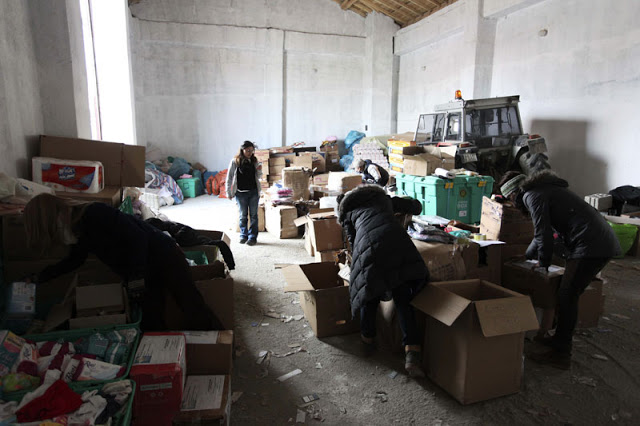
  23 Ekim ve 9 Kasım tarihlerinde Van’da yaşamı altüst eden iki büyük deprem yaşandı. Van Kadın Derneği (VAKAD), İstanbul Feminist Kolektif, Kadının İnsan Hakları-Yeni Çözümler Derneği, Kadınlarla Dayanışma Vakfı,…
9 Aralık 2011: Suriyeli LGBTİ aktivisti Razan Ghazzawi’nin tutuklanması İstanbul’da protesto edildi

Filiz Karakuş

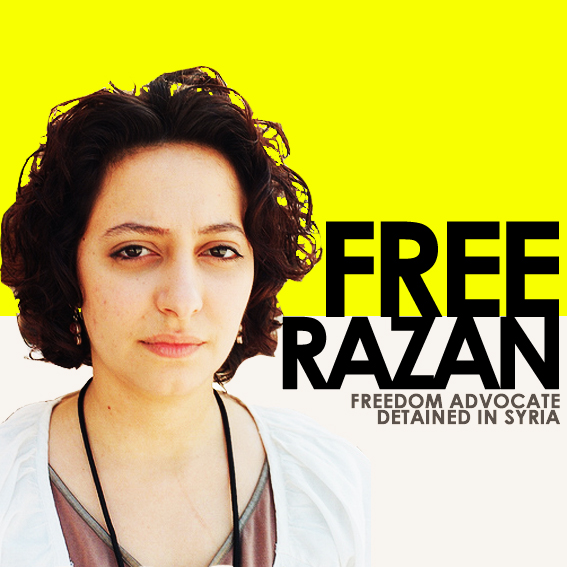
İstanbul’daki Suriye Başkonsolosluğu önünde toplanan, Lambdaİstanbul LGBTİ Dayanışma Derneği ve Yeryüzüne Özgürlük Derneği aktivistleri, 4 Aralık’ta Suriye – Ürdün sınırında gözaltına alınan LGBTİ aktivisti Razan Ghazzawi’nin tutuklanmasını protesto etti. Razan…

16 Aralık 2011: Fethiye’de toplu tecavüz davasının altıncı duruşması yapıldı

Filiz Karakuş

  2007 yılı Haziran ayında Muğla ili Fethiye ilçesi Gebeler kaplıcasında gerçekleşen, aralarında Milli Eğitim müfettişi ve öğretmenlerinin olduğu önce iki sonra altı, toplam sekiz erkek hakkında açılan toplu tecavüz…

5 Ocak 2011: Sosyalist Feminist Kolektif’ten “Erkeklerden alacaklıyız” eylemi

Şükran Şakir

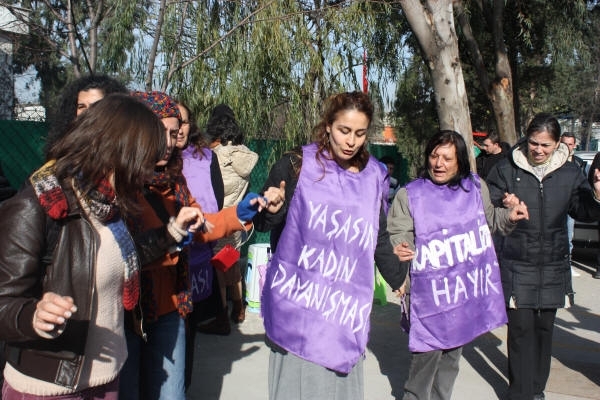
Mayıs 2010’da Sosyalist Feminist Kolektif (SFK) tarafından başlatılan “Erkeklerden Alacaklıyız” kampanyasının bir parçası olarak 5 Ocak 2011’de Galatasaray Meydanı’nda eylem yapıldı. Aynı başlık ve içerikle 7 Ocak’ta Eskişehir’de, 28 Ocak’ta…

11 Ocak 2011: Kadınlar Bericap direnişini ziyaret etti

Şükran Şakir

Petrol-İş’in örgütlü olduğu Gebze Bericap fabrikasında, sendikanın toplu sözleşme yetkisini düşürmek ve sendikal örgütlülüğü yok etmek için işverenin önce dört işçiyi, ardından 89 işçiyi işten atmasıyla başlayan direnişin 20. gününde,…

14 Ocak 2011: SFK’li kadınlardan TÜSİAD’a protesto

Şükran Şakir

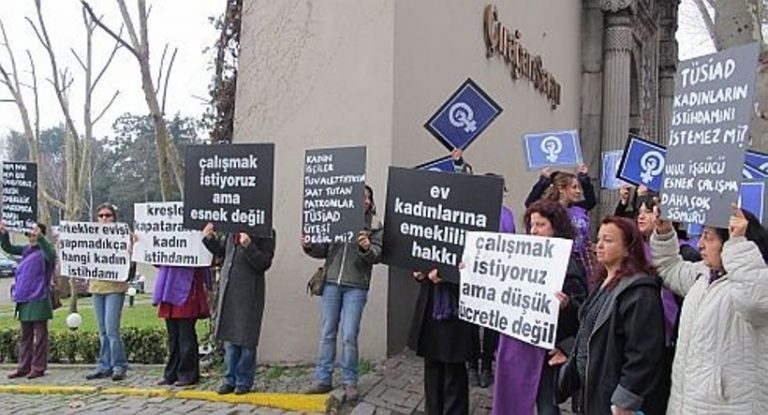
Sosyalist Feminist Kolektif (SFK) üyesi kadınlar, Türk Sanayici ve İşadamları Derneği (TÜSİAD) tarafından düzenlenen ‘Çalışma Hayatında Kadın Konferansı’ öncesinde, TÜSİAD’ın kadın istihdamı yaklaşımını protesto etti. Konferansın yapıldığı Çırağan Sarayı önünde…

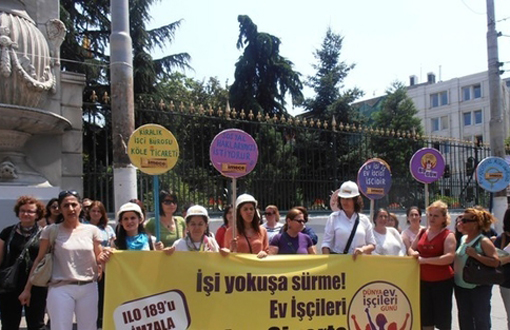
18 Ocak 2011: Gündelikçi / ev işçisi kadınlara sosyal güvenlik talebi

Şükran Şakir

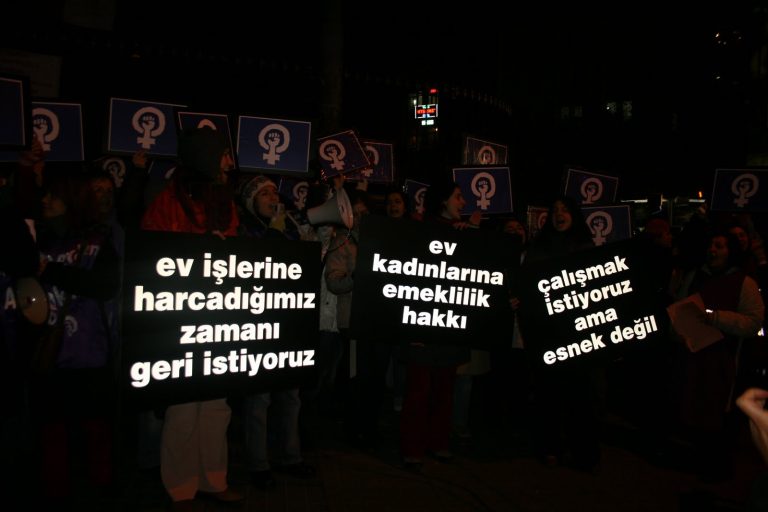
İmece Gündelikçi Kadınlar Birliği, “ev işçisi kadınların sosyal güvenlik kapsamına alınması için gerekli yasal düzenlemelerin bir an önce yapılması” talebiyle kampanya başlattı. Emeklerinin yasal olarak da görünür kılınması için sonuna…

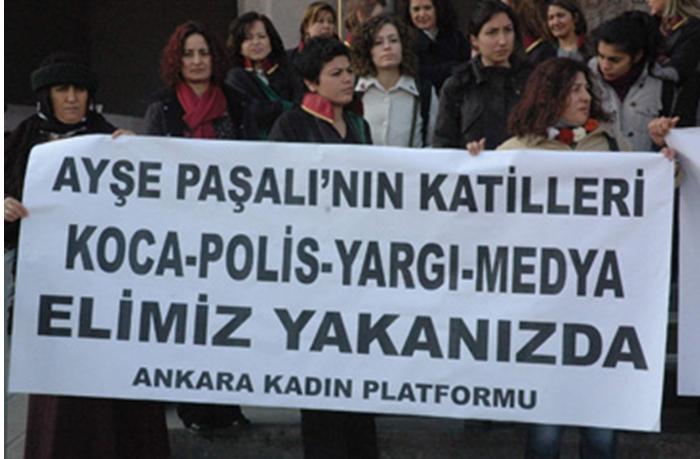
20 Ocak 2011: Ayşe Paşalı cinayeti davası başladı

Filiz Karakuş

Ankara’da, 7 Aralık 2011 tarihinde boşandığı koca tarafından öldürülen Ayşe Paşalı davası 20 Ocak 2011 tarihinde başladı. Ayşe Paşalı öldüğünde 42 yaşındaydı. Ölümünden beş yıl önce İstikbal Yetkin’e boşanma davası…

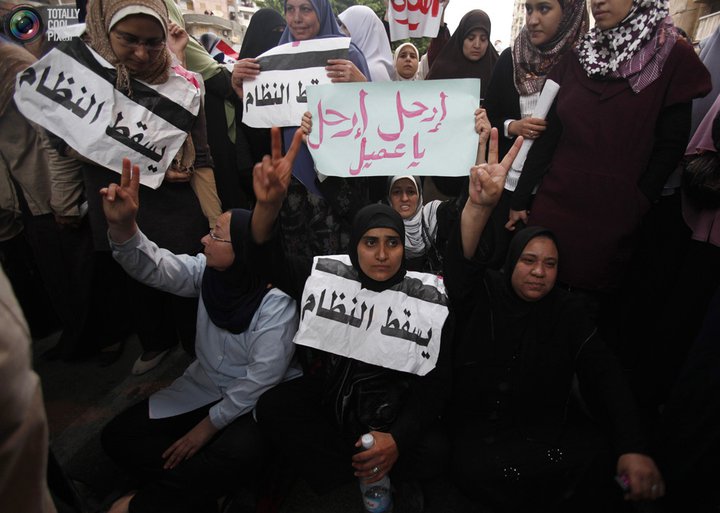
25 Ocak 2011: Tahrir’de başlayan gösterilerde kadınlar ön saflarda

Yeşim Dinçer

2010 Aralık’ta Tunus’ta başlayan halk ayaklanması kısa zamanda tüm Arap Dünyasıyla birlikte Mısır’a da sıçradı. Özellikle Başkent Kahire’nin Tahrir Meydanı’nı sallayan gösterilerin ve eylemlerin ilk dalgalarında, devrimci cephenin ön hatlarında,…

23 Şubat 2011: Öldürülüyoruz. Devlet seyrediyor…/ Kadın cinayetlerine isyandayız

Filiz Karakuş

İstanbul Feminist Kolektif 2010 Mart ayında başlatmış olduğu Kadın Cinayetlerine İsyandayız Kampanyası’nı sürdürürken, 2011 Ocak ayında Ümraniye’de bir hafta arayla iki kadın öldürüldü. Arzu Yıldırım ve Arzu Odabaşı. Arzu Yıldırım’ın…

26 Şubat 2011: Kıbrıslı kadınlardan ‘Barış gelene kadar sakla’ etkinliği

Filiz Karakuş

1974’te kocası kaybolan ve ağlarken Kıbrıslı Rum arkadaşı Maria’nın gözyaşlarını silmesi için kendisine verdiği mendili hep saklayan Leyla Kıralp’ın hikayesinden esinlenen Kıbrıslı kadınlar, Lefkoşa’nın Rum tarafındaki Ledra caddesinde birbirleriyle “Barış…

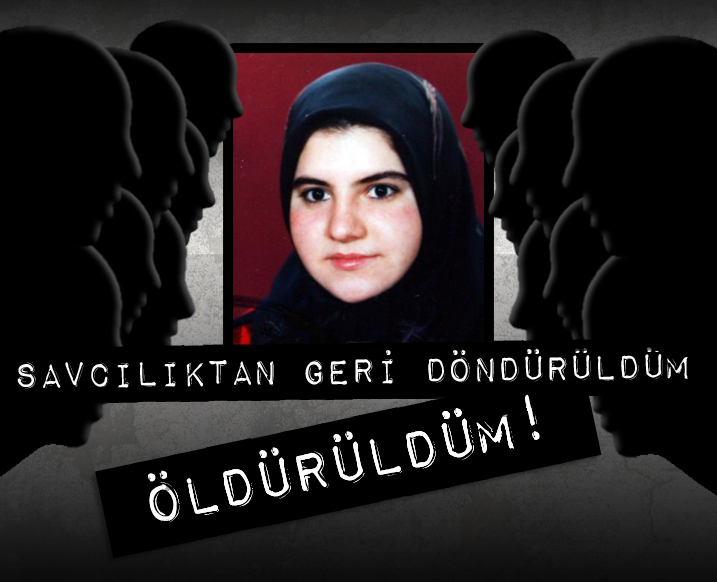
11 Mayıs 2011: Kadın cinayetlerine isyandayız! – 7/24 nöbeti

Şükran Şakir

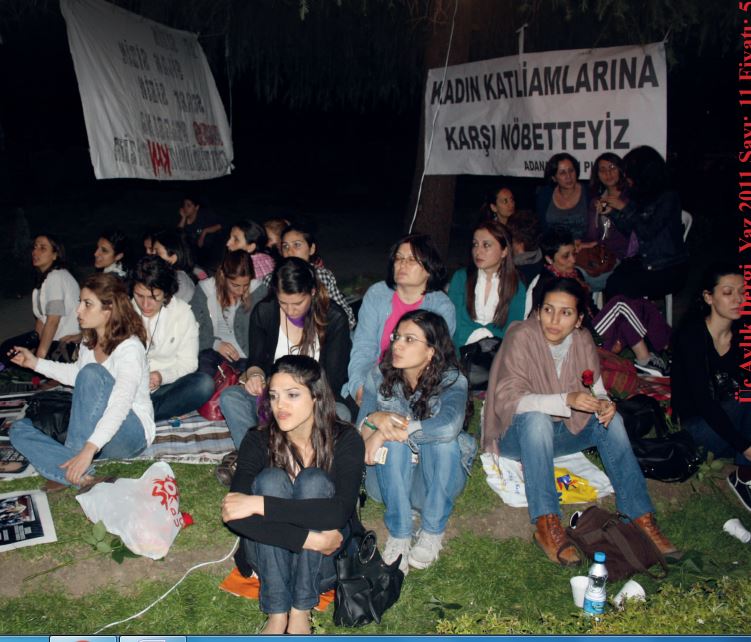
Ayşe Paşalı cinayet davasının karar duruşması öncesi feministler, kararı beklemek ve kadın cinayetlerine dikkat çekmek için 11 ve 12 Mayıs tarihlerinde “7/24 nöbetteyiz” eylemi düzenledi. Katili ve eski eşi İstikbal…

17 Haziran 2011: Suudi kadınlar, araba kullanma yasağını tanımadılar

Filiz Karakuş

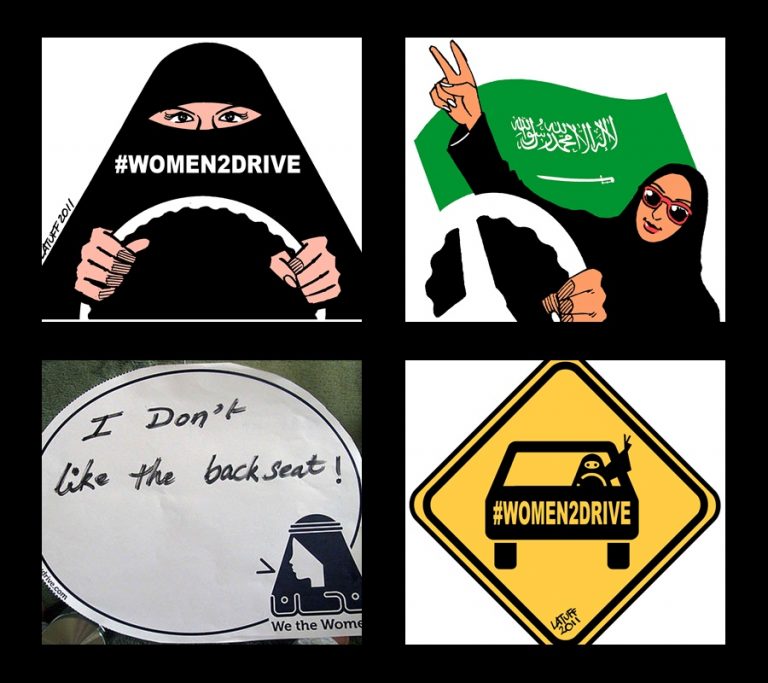
Suudi Arabistan’da kadınların araba kullanmalarının yasaklanmasına itirazları ve eylemleri 1990 yılından beri sürüyor. 6 Kasım 1990’da Riyad’da 47 Suudi kadın direksiyon başına geçerek sürüş yasağını protesto etmişti. Kadınlar bir gün…

23 Haziran 2011: Sendikalarda Erkek Egemenliğine Karşı Kadın İnisiyatifi açıklama yaptı

Filiz Karakuş

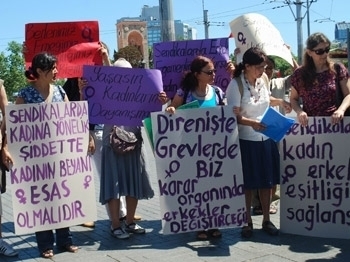
  Sendikalarda Erkek Egemenliğine Karşı Kadın İnisiyatifi, kadınların sendikal mücadele içerisinde daha aktif yer almaları ve temsil edilmeleri için hazırladıkları tüzük önerilerini Taksim Meydanı’nda yaptığı basın açıklamasıyla duyurdu. “Sendikalarda kadınlara…

24 Temmuz 2011: Didem Madak hayata veda etti; sayısız ah döküldü toprağa…

Yeşim Dinçer

Didem Madak 8 Nisan 1970’te İzmir’de dünyaya geldi. Annesi Füsun, Didem henüz 13 yaşındayken kanserden hayatını kaybetti. Bu kaybın yol açtığı acı ve özlem, ileride yazacağı şiirlerin başlıca izleklerinden biri…

3 Ağustos 2011: “Pembe Üçgen” Rudolf Brazda hayatını kaybetti

Filiz Karakuş

Eşcinsel olduğu gerekçesiyle Naziler tarafından toplama kamplarına götürülen ‘Pembe Üçgen’in hayatta kalan son temsilcisi Rudolf Brazda, Fransa’da hayatını kaybetti. Brazda, eşcinsel olduğu için Hitler döneminde sürgün edilen kişilerden biriydi. Eşcinseller,…

28 Eylül 2011: Güvenli ve Yasal Kürtaj Hakkı için Uluslararası Kampanya Günü

Suzan Saner

28 Eylül, kürtajın suç olmaktan çıkarılması için uluslararası bir eylem günü. 1990’larda Latin Amerika ve Karayiplerde yerel aktivistlerin oluşturduğu bir ağ tarafından başlatılan 20 yıllık bir kampanyanın ürünü olarak, 2011…

7 Ekim 2011: Abisi, R.Ç.’yi trans olduğu için öldürdü

Filiz Karakuş

Gaziantep’te bir trans kadın, tedavi gördüğü Gaziantep Cengiz Gökçek Devlet Hastanesi’nde, cinsiyet kimliği bahanesiyle diğer hastaların gözleri önünde ağabeyi tarafından tabancayla vurularak öldürüldü. Trans olduğu gerekçesiyle ağabeyi 27 yaşındaki Fevzi…

24 Temmuz 2011: “Asaletim de sizin olsun baylar, rezaletim de! Beni bir sütyen lastiğiyle asın” demişti; Didem Madak hayatını kaybetti

Necla Demir

1970 İzmir doğumlu Didem Madak, Dokuz Eylül Hukuk Fakültesi’ni bitirdikten sonra mesleği dışında birçok işle uğraştı. Pek çok zorlukla karşılaşan fakat hiçbir zaman umutsuzluğa kapılmayan Madak, çareyi şiirlere sarılmakta buldu.…

29 Nisan 2011: Feminist bilim kurgu ve slash edebiyatı yazarı Joanna Russ

Cemre Baytok

Feminist yazar, akademisyen ve eleştirmen Joanna Russ 1937’de ABD’de doğdu. Bilim kurgu kitapları ve feminist edebiyat eleştirileriyle biliniyor. Cornell ve Yale Üniversite’lerinden mezun olduktan ve birçok üniversitede çalıştıktan sonra University…

20 Aralık 2011: Mısır’da kadınların mavi sutyen öfkesi

Filiz Karakuş

Mısır’da askeri yönetimi protesto eylemine katılan bir kadının, askerlerce vahşice dövülmesi ve mavi sutyeni açığa çıkacak şekilde saçlarından sürüklenmesi kadınların öfkesine neden oldu. 20 Aralık 2011’de 10.000 kadın sokağa çıkarak,…

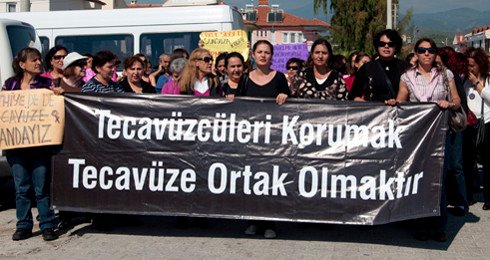
26 Ocak 2011: Erkek adaletin aynası / Fethiye’de toplu tecavüz davası

Filiz Karakuş

2007 yılı Haziran ayında Muğla ili Fethiye ilçesi Gebeler kaplıcasında gerçekleşen, aralarında Milli Eğitim müfettişi ve öğretmenlerinin olduğu önce iki sonra altı, toplam sekiz erkek hakkında açılan toplu tecavüz davasının…